Yes, you can paint over wrapped cabinets—but it isn’t always the best solution. Whether painting will produce a durable finish depends on the condition of the wrap, the material covering the cabinet, and how well the surface is prepared before painting.
Many homeowners consider painting because their wrapped cabinets look outdated, have minor discoloration, or no longer match a renovated kitchen. While painting can refresh cabinets in some situations, it may also lead to peeling, chipping, or bubbling if the underlying wrap has already started to fail.
In this guide, you’ll learn when painting wrapped cabinets is a practical option, when it isn’t recommended, the most common problems to expect, and whether rewrapping with decorative film may provide a better long-term solution.
What Are Wrapped Cabinets?
Before deciding whether to paint, it’s important to understand what “wrapped cabinets” actually are.
Wrapped cabinets are cabinet doors and panels covered with a decorative film rather than finished with traditional paint or natural wood veneer. The film is bonded to an engineered wood substrate, such as MDF, to create a smooth, decorative surface.
Several types of wrapped cabinet finishes are commonly found in kitchens:
- PVC decorative film
- Vinyl wrap
- Thermofoil
- Laminated decorative film
Although these finishes are often grouped together in everyday conversations, they are manufactured using different materials and production methods. Their paintability and long-term performance can vary slightly, but they share one important characteristic—they all have a smooth, non-porous surface that makes paint adhesion more challenging than on unfinished wood.
Can You Paint Over Wrapped Cabinets?
The short answer is yes, but only under the right conditions.
Painting can work well if:
- The vinyl or PVC wrap is firmly bonded to the cabinet.
- There are no signs of peeling, bubbling, or lifting edges.
- The surface is thoroughly cleaned and properly prepared.
- A high-quality bonding primer and cabinet-grade paint are used.
However, painting is usually not recommended if the decorative film has already begun to fail. Paint cannot repair a loose or damaged wrap. Instead, it simply covers the problem temporarily, and the underlying film may continue to separate from the cabinet substrate over time.
As a general rule, the better the condition of the existing wrap, the more successful the painting project is likely to be.
Why Homeowners Want to Paint Wrapped Cabinets
Painting wrapped cabinets is often considered because it appears to be an affordable way to modernize a kitchen without replacing cabinetry.
Common reasons include:
Updating an Outdated Color
Cabinets installed years ago may feature finishes that no longer match today’s interior design trends. Painting offers a quick way to change the appearance.
Refreshing a Worn Appearance
Minor scratches, faded colors, or everyday wear can make cabinets look older than they actually are.
Saving Money
Replacing an entire kitchen is expensive. Painting existing cabinets costs significantly less and avoids major construction work.
Matching a New Interior Design
Many homeowners renovate countertops, flooring, or backsplashes while keeping existing cabinets. Painting allows the cabinets to better complement the new space.
Although these are valid reasons, the success of the project still depends on whether the wrapped surface is structurally sound.
When Painting Wrapped Cabinets Works
Painting can provide good results under certain conditions.
The Wrap Is Fully Intact
The decorative film should remain tightly bonded across the entire surface.
Check for:
- No loose edges
- No bubbling
- No cracks
- No moisture damage
If the wrap is stable, it can serve as a suitable base after proper preparation.
The Surface Is Properly Cleaned
Kitchen cabinets accumulate grease, cooking oils, and cleaning product residue.
Even small amounts of contamination can reduce paint adhesion.
Before painting:
- Remove grease thoroughly.
- Wash with an appropriate degreaser.
- Allow the surface to dry completely.
The Surface Is Lightly Sanded
Vinyl and PVC wraps are intentionally smooth.
Light sanding helps create a slightly roughened surface that allows primer to bond more effectively.
Avoid aggressive sanding, which may damage the decorative film.
A Bonding Primer Is Used
One of the most common reasons painted vinyl cabinets fail is skipping the primer.
A bonding primer designed for glossy or non-porous surfaces improves adhesion between the decorative film and the topcoat.
Without it, paint is much more likely to peel or chip.
High-Quality Cabinet Paint Is Selected
Cabinet surfaces experience daily use.
Choose paint specifically formulated for cabinetry rather than standard wall paint.
Cabinet-grade coatings generally provide:
- Better hardness
- Improved scratch resistance
- Easier cleaning
- Longer-lasting finish
When You Should NOT Paint Wrapped Cabinets
Painting cannot solve every cabinet problem.
In some situations, it simply hides damage rather than fixing it.
The Wrap Is Peeling
If corners or edges have already lifted, paint will not reattach the film.
Over time, the peeling area usually continues to spread beneath the paint layer.
The Film Is Bubbling
Bubbles indicate that the decorative film has lost adhesion to the substrate.
Painting over bubbles does not eliminate the trapped air or adhesive failure.
The Surface Has Moisture Damage
Moisture is one of the most common causes of vinyl wrap failure, particularly near sinks, dishwashers, and kettles.
If water has weakened the adhesive beneath the film, repainting will not restore durability.
The Cabinet Has Extensive Damage
Large cracks, swollen MDF, or severely deteriorated surfaces typically require repair or replacement before any refinishing work can begin.
Attempting to paint heavily damaged wrapped cabinets often produces disappointing results.
Common Problems After Painting Wrapped Cabinets
Even when the painting process is done carefully, wrapped cabinets present challenges that are less common with solid wood cabinets. Understanding these risks can help you decide whether painting is the right solution.
Peeling Paint
Peeling is one of the most frequently reported problems.
This usually happens because paint cannot form a strong bond with the smooth vinyl or PVC surface. If the surface wasn’t cleaned properly, lightly sanded, or coated with a suitable bonding primer, the paint may begin lifting after only a short period of use.
Areas around handles and cabinet edges typically show signs of peeling first because they experience the most contact.
Chipping and Scratching
Kitchen cabinets are opened and closed countless times every year.
Without a durable primer and cabinet-grade topcoat, painted surfaces may chip when exposed to everyday impacts from cookware, utensils, or fingernails.
While touch-ups are possible, repeated repairs can make the finish look uneven over time.
Bubbling or Flaking
If the original decorative wrap has already started separating from the MDF beneath it, adding paint will not stop the process.
Instead, the paint film often lifts together with the underlying wrap, resulting in bubbles, flaking, or larger areas of delamination.
This is why it’s important to inspect the condition of the wrap before painting rather than assuming paint will hide existing problems.
Visible Seams and Edge Wear
Wrapped cabinet doors often have seams where the decorative film folds around the edges.
Although paint changes the color, it cannot eliminate these seams.
Over time, the edges may also experience faster wear because they are exposed to frequent handling and cleaning.
How to Paint Wrapped Cabinets Properly
If your cabinets are still in good condition and you decide to paint them, following the correct process will significantly improve the results.
Step 1 – Remove Doors and Hardware
Take off:
- Cabinet doors
- Drawer fronts
- Handles and knobs
- Hinges
Working on flat surfaces makes painting easier and helps produce a cleaner finish.
Step 2 – Clean Thoroughly
Kitchen cabinets often collect grease that isn’t immediately visible.
Use a suitable degreasing cleaner to remove:
- Cooking oils
- Wax residue
- Dirt
- Household cleaners
Allow the surface to dry completely before moving to the next step.
Step 3 – Lightly Sand the Surface
Use fine-grit sandpaper to dull the glossy finish.
The goal is not to remove the decorative film but to create a slightly rough surface that helps the primer adhere more effectively.
After sanding, wipe away all dust with a clean microfiber cloth.
Step 4 – Apply a Bonding Primer
This is arguably the most important step.
Choose a primer specifically formulated for glossy, laminate, or non-porous surfaces.
Allow the primer to cure according to the manufacturer’s instructions before applying paint.
Step 5 – Apply Cabinet Paint
Use multiple thin coats rather than one thick coat.
Thin, even coats typically produce:
- Better coverage
- Fewer brush marks
- Improved durability
Allow sufficient drying time between coats to achieve a harder, more consistent finish.
Step 6 – Let the Paint Cure
Dry and cured are not the same.
Although paint may feel dry within hours, it often takes several days—or even longer—to reach its full hardness.
Avoid heavy use until the finish has fully cured.
Painting vs. Rewrapping Cabinets
Painting is only one way to update wrapped cabinets.
For some projects, rewrapping with new decorative film provides a better balance of appearance, durability, and long-term value.
Painting
Painting is generally a good option when:
- The existing wrap is firmly attached.
- You want to change the color.
- You’re working with a limited budget.
- The cabinets are still structurally sound.
However, the finish quality depends heavily on surface preparation and paint application.
Rewrapping
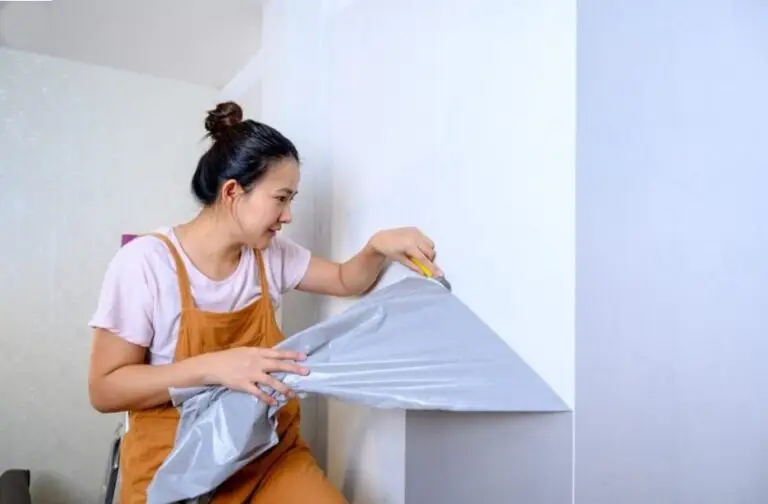
Rewrapping involves removing the old decorative film if necessary and applying a new decorative surface.
It is often the better choice when:
- The original wrap is peeling.
- The finish has faded significantly.
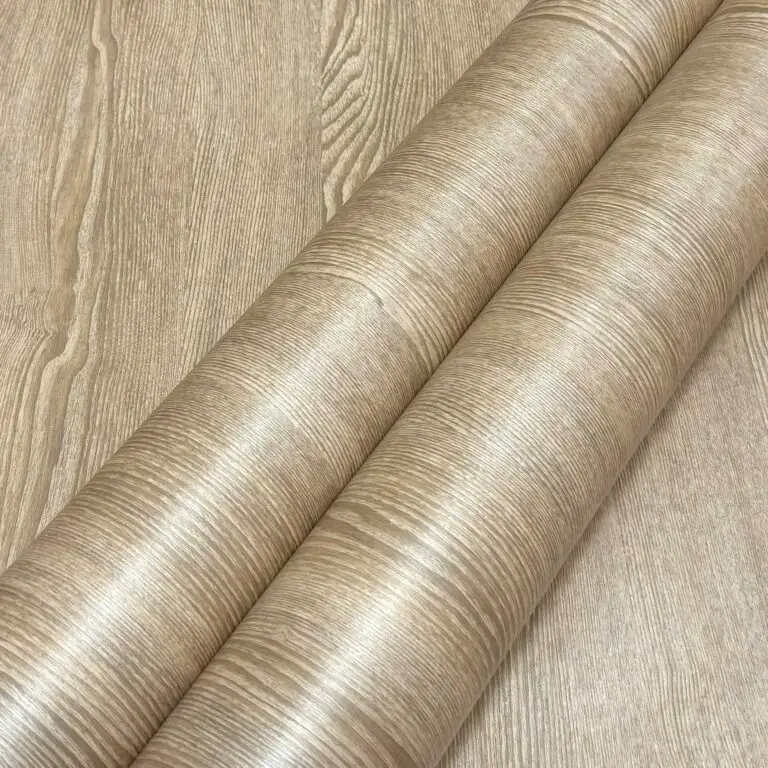
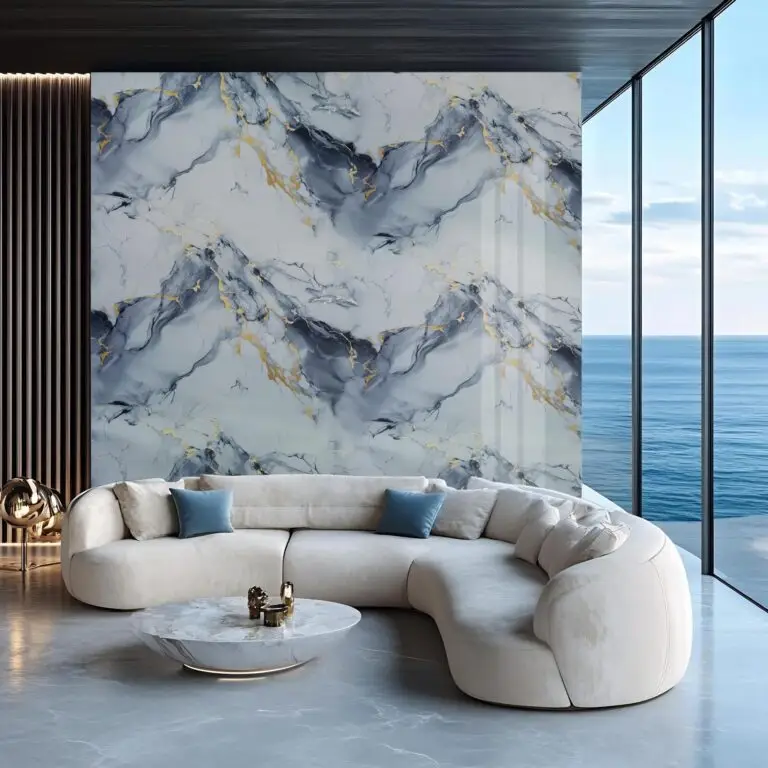
- You want realistic wood grain or marble effects.
- You prefer a factory-like appearance.
Because decorative films are manufactured with consistent colors, textures, and finishes, rewrapping can deliver a more uniform result than painting alone.
Cabinet Replacement
If the cabinet boxes, doors, or MDF substrate have suffered extensive moisture damage or structural deterioration, replacing the cabinets may be the most practical long-term solution.
Is Rewrapping Better Than Painting?
Neither option is universally better—it depends on the condition of your cabinets and the outcome you want to achieve.
Painting is ideal for cosmetic updates when the decorative wrap is still in excellent condition and only the color needs refreshing.
Rewrapping is often the preferred choice when the existing film is damaged or when you want to completely transform the appearance of the cabinets with finishes such as:
- Natural wood grain
- Marble
- Concrete
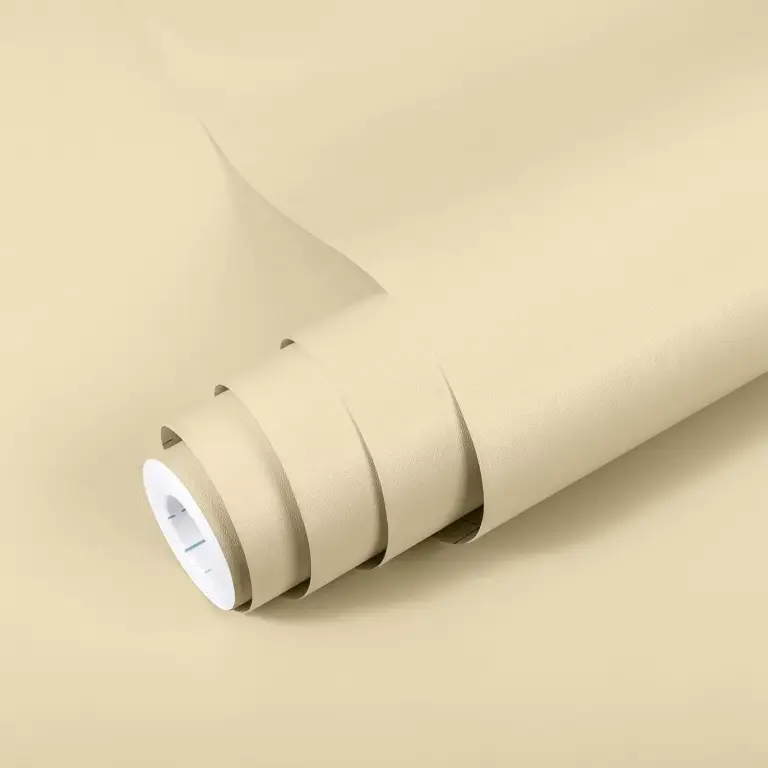
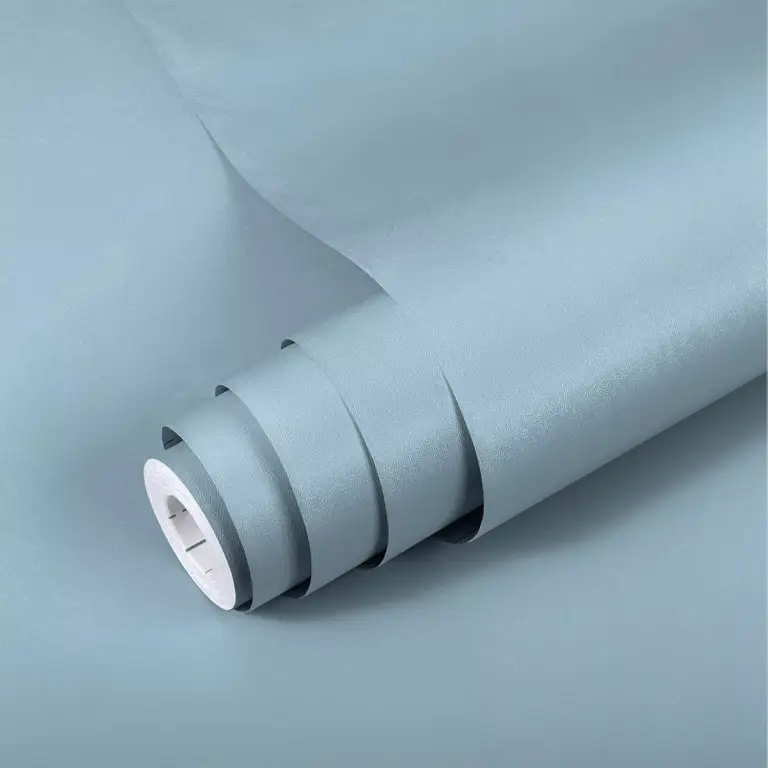
- Matte solid colors
- Textured decorative surfaces
Modern decorative films also provide a wider variety of surface designs than paint, allowing homeowners and designers to achieve finishes that would be difficult or impossible to recreate with coatings alone.
Choosing the Right Decorative Film for Cabinet Rewrapping
If you decide to rewrap rather than paint, selecting the right decorative film is just as important as proper installation.
When comparing decorative films, consider the following factors:
Surface Design
Choose finishes that complement your interior style, such as:
- Wood grain
- Marble
- Solid colors
- Stone textures
Durability
For kitchen environments, decorative films should offer:
- Scratch resistance
- Water resistance
- Easy maintenance
- Stable color performance
Material Quality
High-quality decorative films generally provide:
- Better dimensional stability
- Stronger adhesion
- More realistic textures
- Longer service life
Premium architectural decorative films are designed specifically for furniture and interior surfaces, making them better suited for everyday use than many low-cost generic vinyl products.
FAQs
Yes, provided the vinyl wrap is still securely attached and the surface is properly cleaned, lightly sanded, and primed before painting.
Yes, but the same preparation requirements apply. If the thermofoil is peeling or bubbling, painting is unlikely to produce a durable result.
If the decorative film has already begun to fail, removing it and repairing the substrate usually provides a better foundation than painting over damaged material.
The lifespan depends on the condition of the existing wrap, surface preparation, paint quality, and daily use. Well-prepared cabinets generally perform much better than those painted without proper priming.
Yes. Rewrapping is a popular alternative when homeowners want to completely change the appearance of their cabinets while preserving the existing cabinet structure.
Conclusion
Painting over wrapped cabinets is possible, but it is not always the best solution.
If the existing wrap is firmly bonded and in good condition, painting can be an effective way to refresh the appearance of your kitchen. However, if the film is peeling, bubbling, or damaged, paint will only mask the problem temporarily rather than solve it.
Before making a decision, evaluate the condition of your cabinets, consider your long-term expectations, and compare painting with rewrapping. Choosing the right approach from the beginning can save both time and money while delivering a more durable, professional-looking finish.
Upgrade Cabinets with Professional Decorative Film Solutions
If your wrapped cabinets are beyond painting—or you’re planning a complete style transformation—high-quality decorative film can provide a durable and cost-effective alternative.
LONMAY manufactures PVC decorative films for cabinet doors, furniture, wall panels, and other interior surfaces. With 5,000+ designs, including realistic wood grain, marble, stone, and solid-color finishes, our films help manufacturers, designers, and renovation professionals achieve premium results across residential and commercial projects.
Our decorative films are also available with eco-friendly, ROHS-compliant materials, as well as optional fire-resistant and antimicrobial performance to meet a wide range of project requirements.
Contact LONMAY esther@lonmay.com.cn today to request samples and discover decorative film solutions designed for modern cabinet and interior applications.