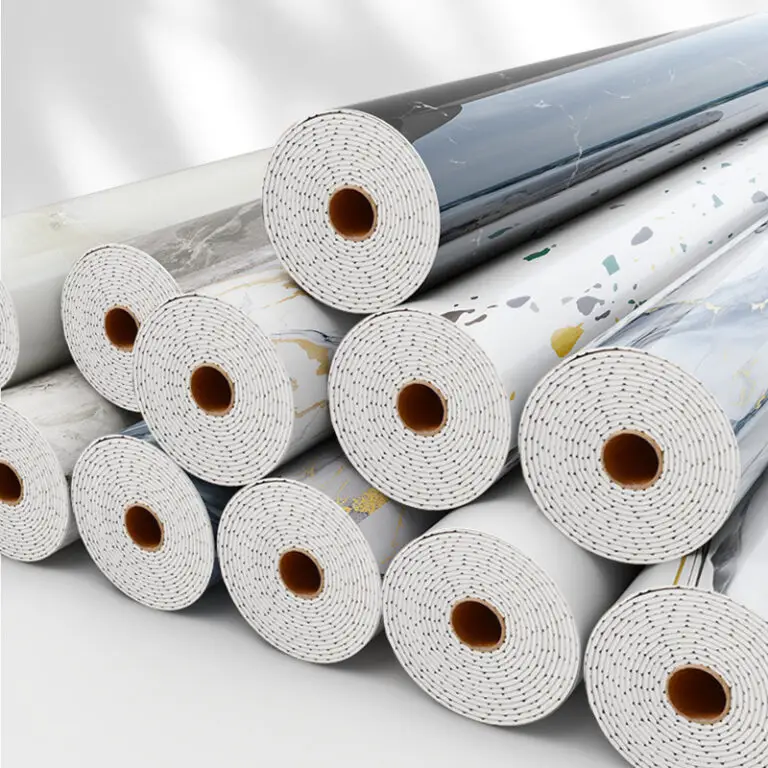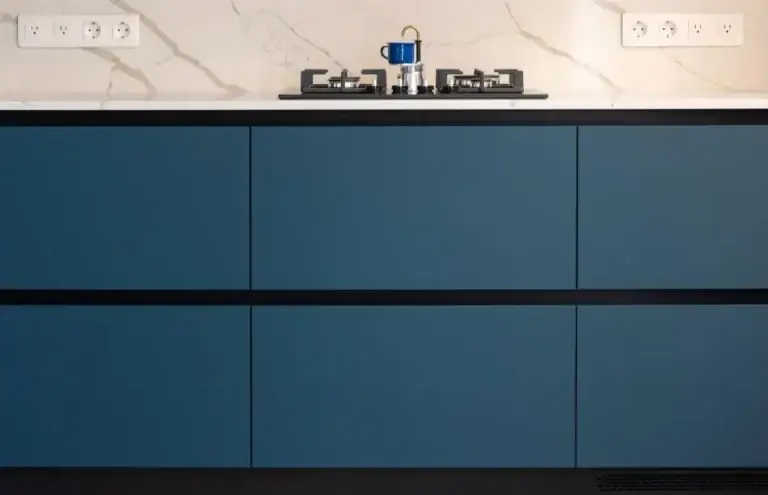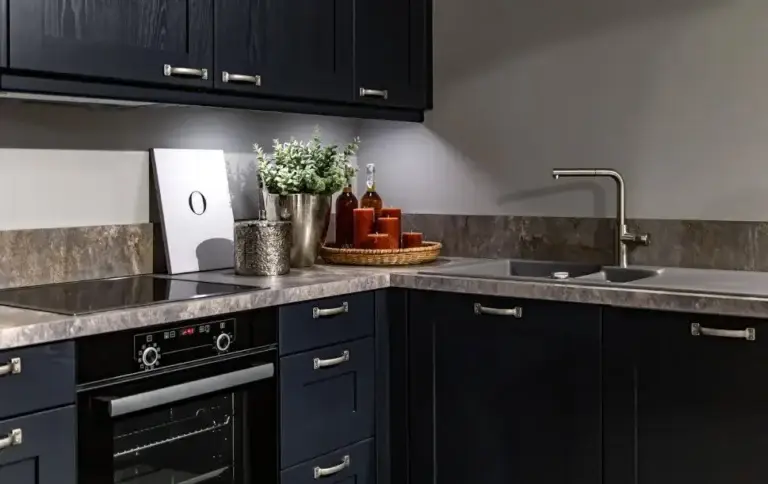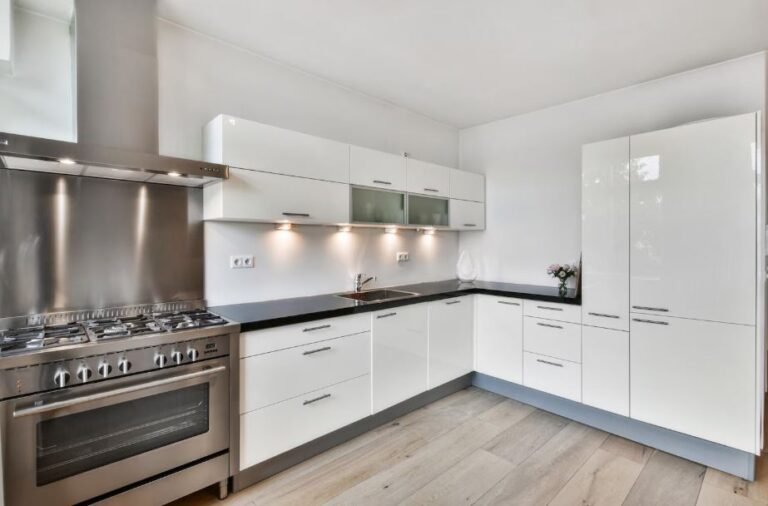
PVC and Acrylic are two thermoplastic materials widely used in interior decoration, furniture manufacturing, signage, and construction applications. Although both are polymer-based materials, their chemical structure, physical properties, and practical applications differ significantly. Understanding these differences is essential when selecting materials for specific performance and design requirements.
In this comprehensive guide to pvc vs acrylic, we will analyze their chemical composition, mechanical properties, durability, cost factors, environmental performance, and ideal use cases to help you make informed material decisions.
Material Composition and Chemical Structure
PVC (Polyvinyl Chloride)
PVC is produced through the polymerization of vinyl chloride monomer. It contains chlorine atoms within its molecular structure, which significantly influence its flame resistance and chemical stability.
PVC is available in two main forms:
- Rigid PVC (uPVC) – used in panels, pipes, window frames, and wall systems
- Flexible PVC – produced by adding plasticizers, commonly used in flooring and membranes
Because of its chlorine content, PVC offers inherent fire retardancy compared to many other thermoplastics.

Acrylic (PMMA – Polymethyl Methacrylate)
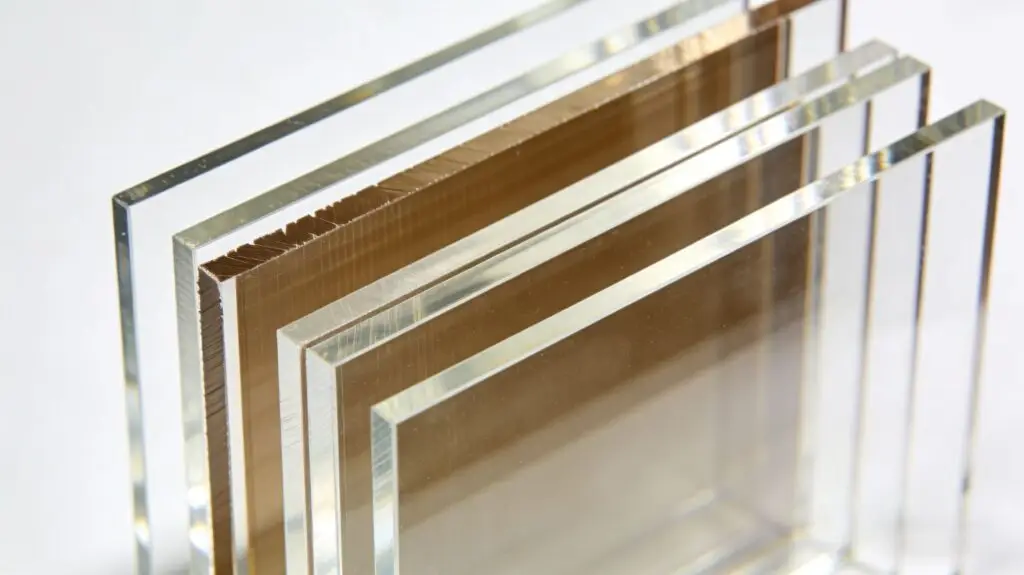
Acrylic, commonly referred to as plexiglass, is synthesized from methyl methacrylate monomers. Unlike PVC, it does not contain chlorine and is known for its exceptional optical clarity.
Acrylic is widely used as a lightweight alternative to glass due to its:
- High transparency
- Glossy surface finish
- Excellent weather resistance
Mechanical Properties Comparison
When evaluating pvc vs acrylic, mechanical performance is often the first determining factor.
| Property | PVC | Acrylic |
|---|---|---|
| Density | 1.3–1.45 g/cm³ | 1.17–1.20 g/cm³ |
| Impact Resistance | High (especially modified PVC) | Moderate |
| Surface Hardness | Moderate | High |
| Brittleness | Low | Higher tendency to crack under sharp impact |
PVC generally provides better impact resistance and flexibility, especially in thicker panels or foamed board formats.
Acrylic, while rigid and surface-hard, is more brittle and may crack under concentrated stress.
For structural wall panels or decorative boards where durability is critical, PVC often provides better long-term resilience.
Optical Performance and Surface Aesthetics
A major distinction in pvc vs acrylic lies in visual performance.
Acrylic
- Light transmission up to 92 percent
- Glass-like clarity
- High gloss finish
- Excellent UV resistance
This makes acrylic ideal for:
- Light boxes
- Signage
- Display cases
- Decorative transparent panels
PVC
- Generally opaque or semi-opaque
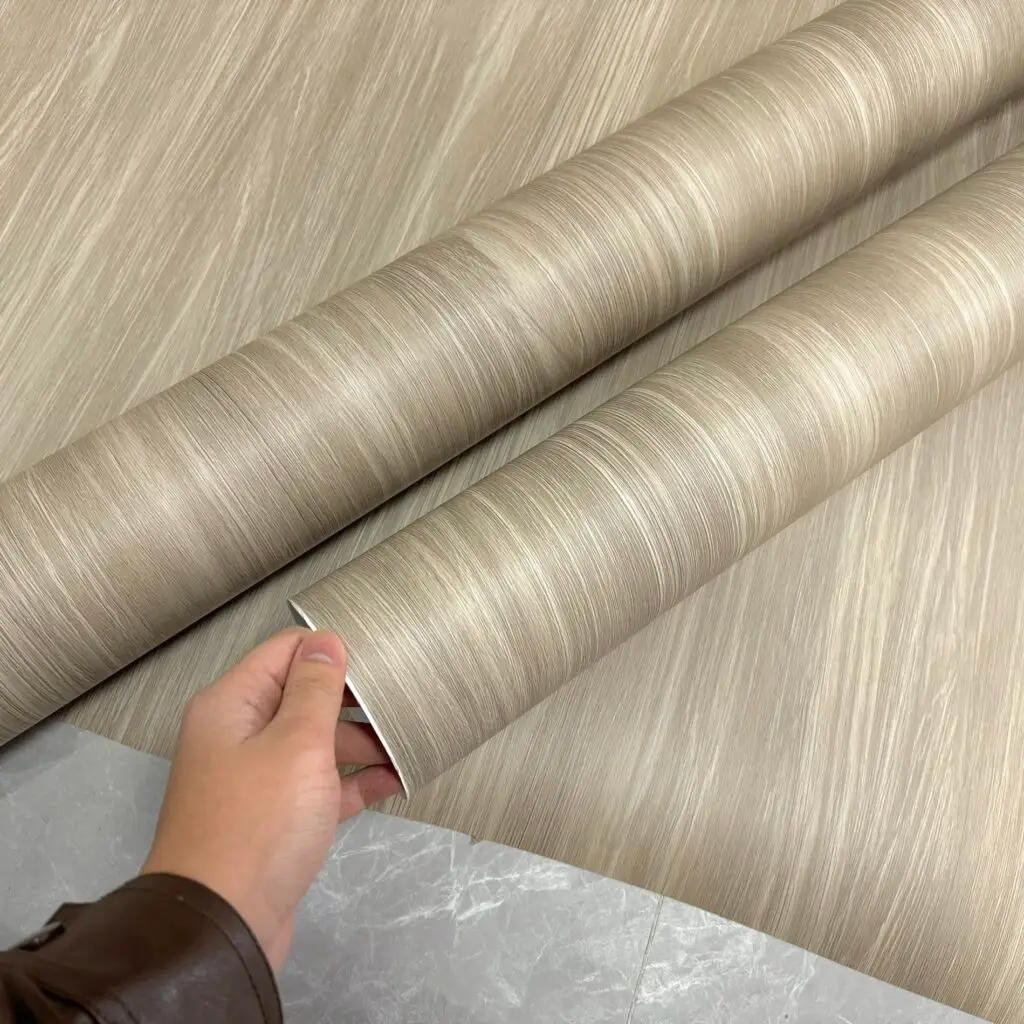
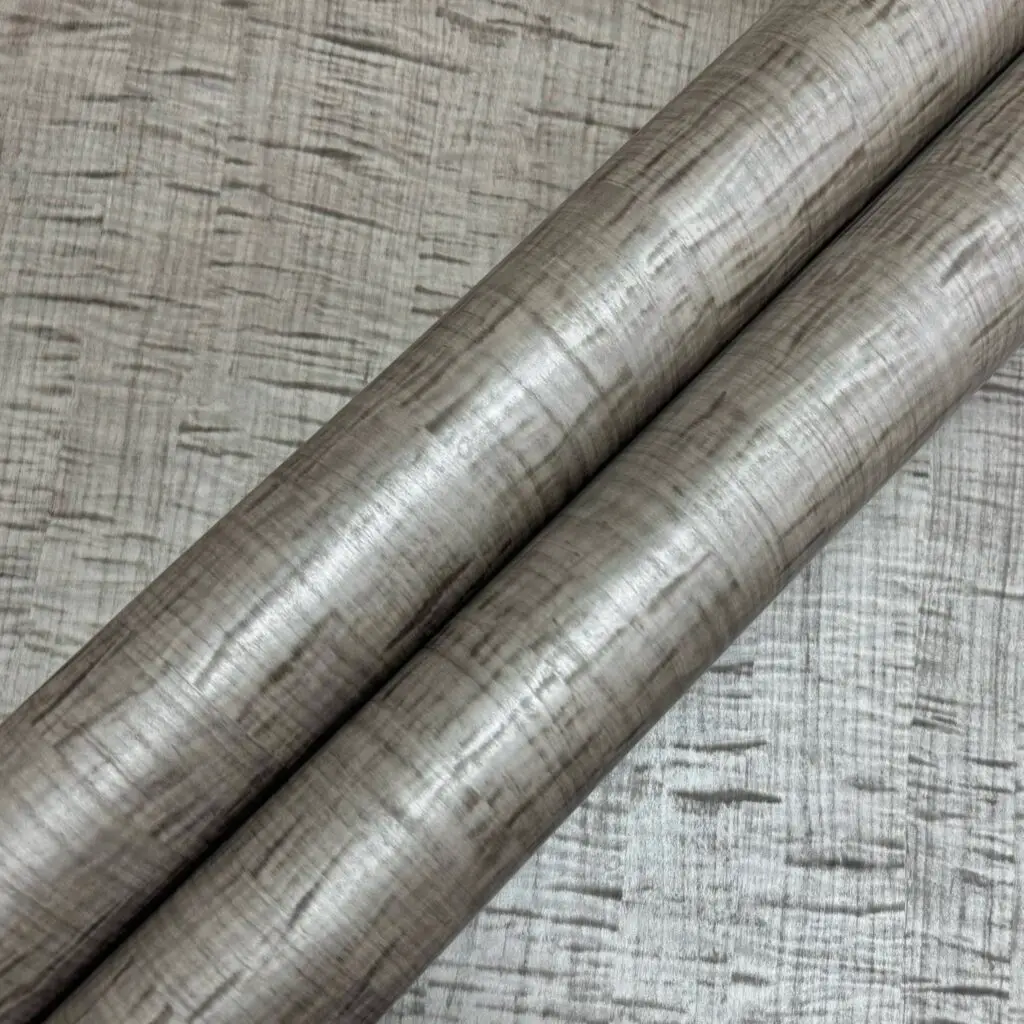
- Can be laminated, printed, embossed, or film-coated
- Offers a wide variety of surface textures
PVC is more commonly used for:
- Decorative wall panels
- Cabinet panels
- Interior cladding systems
- Film-laminated architectural surfaces
If transparency and light transmission are required, acrylic is superior. If decorative surface versatility is the goal, PVC provides broader design flexibility.
Fire Resistance and Safety Performance
In construction and interior applications, fire behavior is critical.
PVC contains chlorine, which contributes to:
- Self-extinguishing properties
- Slower flame spread compared to many plastics
Acrylic, in contrast:
- Is combustible
- Has higher flame spread potential
- Requires fire-rated formulations in certain building applications
For commercial interiors, public spaces, or wall systems requiring improved fire performance, PVC often offers compliance advantages.
Processing and Fabrication Characteristics
PVC Processing
- Easy to cut, drill, and thermoform
- Compatible with extrusion, foaming, and lamination
- Can be welded or solvent-bonded
PVC foam boards are especially popular in interior panel manufacturing due to their lightweight and machinability.
Acrylic Processing
- Suitable for laser cutting
- Can be polished to optical clarity
- Thermoformable at high temperatures
However, acrylic requires more controlled handling to prevent cracking or edge damage.
Cost Considerations
Cost is a major differentiator in pvc vs acrylic comparisons.
PVC is generally more cost-effective due to:
- Lower raw material cost
- Scalable extrusion production
- Broad industrial adoption
Acrylic is typically more expensive because:
- It requires higher-grade polymerization
- It is often produced for optical applications
- It offers premium surface quality
For large-scale wall panel or furniture board projects, PVC provides a stronger cost-performance balance.
Environmental and Durability Factors
Weather Resistance
- Acrylic offers superior UV resistance and color stability outdoors
- PVC performs well indoors but may require UV-stabilized formulations for exterior use
Chemical Resistance
- PVC demonstrates strong resistance to acids and alkalis
- Acrylic is resistant to many chemicals but may be affected by solvents
Service Life
Both materials can last many years when properly installed, but selection must match environmental conditions.
Typical Application Scenarios
PVC Common Applications
- Interior wall panels
- Cabinet boards
- Decorative films
- Ceiling systems
- Construction profiles
Acrylic Common Applications
- Light diffusers
- Advertising signage
- Transparent partitions
- Display boxes
- Architectural glazing alternatives
The choice in pvc vs acrylic ultimately depends on whether the project prioritizes structural durability, fire resistance, cost efficiency, or optical clarity.
Final Comparison Summary
To summarize:
Choose PVC when:
- Impact resistance is required
- Fire performance matters
- Budget optimization is important
- Decorative laminated surfaces are needed
Choose Acrylic when:
- Transparency is essential
- High gloss aesthetic is required
- Outdoor UV stability is critical
- Optical clarity is a priority
Both materials serve different functional purposes. They are not interchangeable in most technical applications.
For material consultation, project support, or product samples, feel free to contact our team at esther@lonmay.com.cn — we’re here to help you make the right material choice for your project.