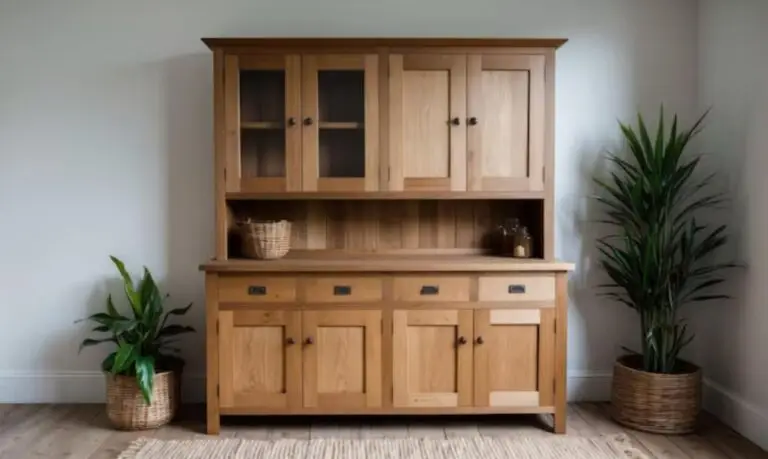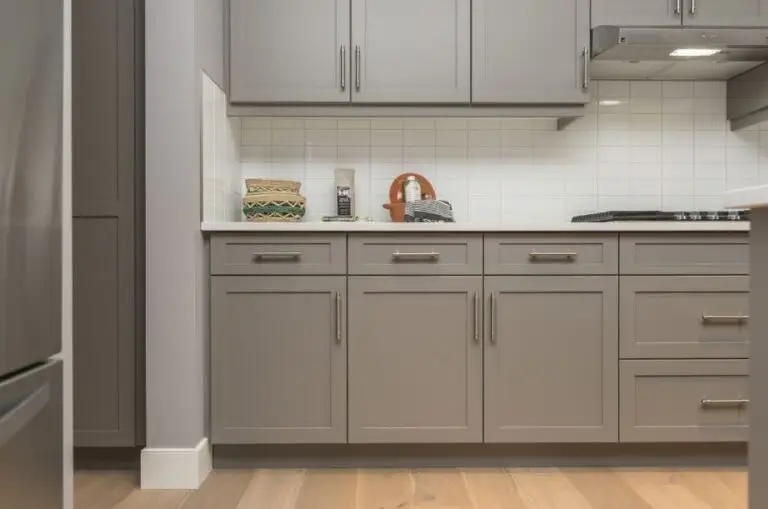
PVC decorative film has become one of the most widely used surface finishing materials in modern furniture manufacturing and interior renovation. From kitchen cabinets and wardrobes to wall panels, doors, and commercial interiors, PVC film offers a balance of decorative flexibility, durability, cost efficiency, and manufacturing practicality.
As renovation trends shift toward faster installation, lower material waste, and more design customization, decorative surface films are increasingly replacing traditional finishing materials such as solid wood veneer, paint, and laminate in many applications.
This guide covers everything you need to know about PVC decorative film, including types, manufacturing, applications, performance, installation methods, sustainability considerations, and common industry questions.
What Is PVC Decorative Film
PVC decorative film is a decorative surface material made primarily from polyvinyl chloride (PVC) resin combined with additives, pigments, decorative printing layers, and protective coatings.
It is designed to improve both the appearance and functionality of interior surfaces.
PVC decorative film is commonly laminated onto substrates such as:
- MDF
- Plywood
- Particle board
- Metal panels
- Plastic boards
- Furniture components
Depending on the application and industry terminology, PVC decorative film may also be called:
- PVC foil
- Decorative foil
- Thermofoil
- Membrane foil
- Vinyl wrap film
- Interior film
- Architectural film
Although these terms are closely related, they may refer to different application methods or product categories.
For a deeper understanding of related decorative surface materials, you can also explore:
- What Is PVC Foil? A Complete Guide to Materials, Uses, and Benefits
- What Is Interior Film? A Complete Guide for Modern Interior Renovation
- What Is PVC Laminated Wallpaper?
Basic Structure of PVC Decorative Film
Most PVC decorative films consist of several functional layers:
| Layer | Function |
|---|---|
| PVC Base Layer | Provides flexibility and stability |
| Decorative Printing Layer | Creates wood, stone, or color designs |
| Embossing Texture Layer | Adds tactile surface texture |
| Protective Coating | Improves scratch and stain resistance |
| Back Layer | Supports lamination or adhesive bonding |
High-performance decorative films may also include:
- Anti-scratch coatings
- UV-resistant coatings
- Fingerprint-resistant surfaces
- Anti-bacterial treatments
Types of PVC Decorative Film
PVC decorative films can be classified by surface finish, application method, or performance characteristics.
By Surface Finish
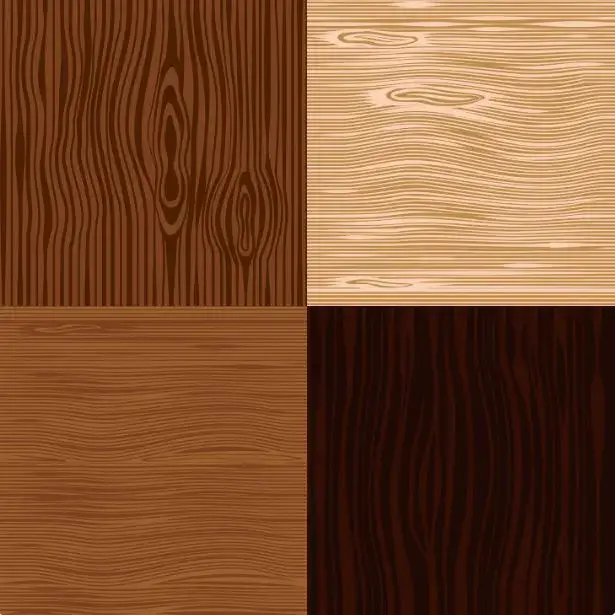
Wood Grain PVC Film
Wood grain PVC film is the most widely used category. It is designed to imitate natural wood species. Modern synchronized embossing technology can create highly realistic wood textures and surface depth.
Explore LONMAY Wood Grain PVC Film Patterns to view different colors, textures, and decorative styles used in furniture and interior applications.
High Gloss PVC Film
High gloss films create smooth reflective surfaces similar to painted lacquer finishes. High gloss decorative films usually require stronger surface coatings to improve scratch resistance.
Matte PVC Film
Matte decorative films have become increasingly popular in minimalist interior design. Soft-touch matte finishes are especially common in premium furniture applications.
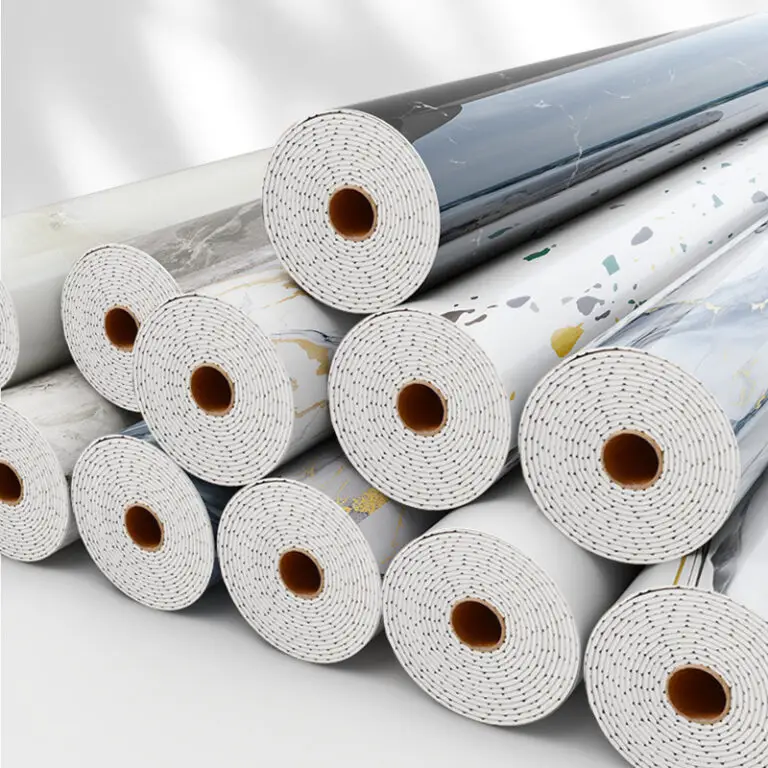
Marble and Stone Effect PVC Film
Marble and stone effect PVC film is designed to replicate the appearance of natural stone surfaces such as marble, granite, and concrete. It provides a luxurious decorative look while reducing material cost, weight, and installation complexity.
Browse LONMAY Marble PVC Film Patterns for decorative stone-inspired surface options.
Metallic PVC Film
Metallic PVC film is designed to imitate metal finishes such as brushed aluminum, stainless steel, titanium, and copper. It offers the modern appearance of metal while remaining lightweight, flexible, and easier to process than real metal materials.
View LONMAY Metallic PVC Film Patterns for modern decorative finishes and industrial-style surface designs.
By Application Method
Vacuum Membrane Press Film
Vacuum press PVC film is designed for 3D forming applications.
It is commonly used for:
- Thermofoil cabinet doors
- Profiled MDF panels
- Decorative furniture components
This type of film requires excellent flexibility and elongation performance.
Flat Lamination Film
Flat lamination films are applied to flat surfaces using roller laminating systems.
Applications include:
- Wall panels
- Furniture boards
- Shelving
- Decorative panels
Self Adhesive PVC Film
Self-adhesive decorative film is widely used in renovation projects.
Typical applications include:
- Kitchen wrapping
- Furniture renovation
- Wall upgrades
- Commercial refurbishment
This category has grown rapidly due to increasing demand for fast renovation solutions without demolition.
PVC Film Manufacturing Process
The manufacturing process directly affects the quality, appearance, and durability of decorative film.
Although formulations vary by application, most PVC decorative films follow several key production stages.
1. Raw Material Formulation
Manufacturers combine PVC resin with:
- Plasticizers
- Stabilizers
- Pigments
- Additives
Different formulations are designed for different applications.
2. Film Production
The PVC material is processed into thin film sheets through extrusion or calendering.
Film thickness typically ranges from:
- 0.08 mm
to - 0.50 mm
depending on the application.
3. Decorative Printing
Decorative patterns are printed using gravure printing systems.
Common decorative effects include:
- Wood grain
- Marble textures
- Textile textures
- Abstract patterns
Premium decorative films may use synchronized embossing technologies to improve realism.
4. Embossing and Surface Coating
Embossing rollers create tactile textures that simulate natural materials.
Protective coatings are then applied to improve:
- Scratch resistance
- Chemical resistance
- UV stability
- Stain resistance
5. Quality Inspection
Professional decorative film manufacturers perform quality testing for:
- Color consistency
- Thickness tolerance
- Surface defects
- Adhesion performance
- Heat resistance
- Aging performance
At Lonmay, decorative film production focuses on stable quality, customized surface designs, and compatibility with furniture and interior surface applications.
Common Applications of PVC Decorative Film
PVC decorative film is widely used across residential, commercial, and industrial interior applications.
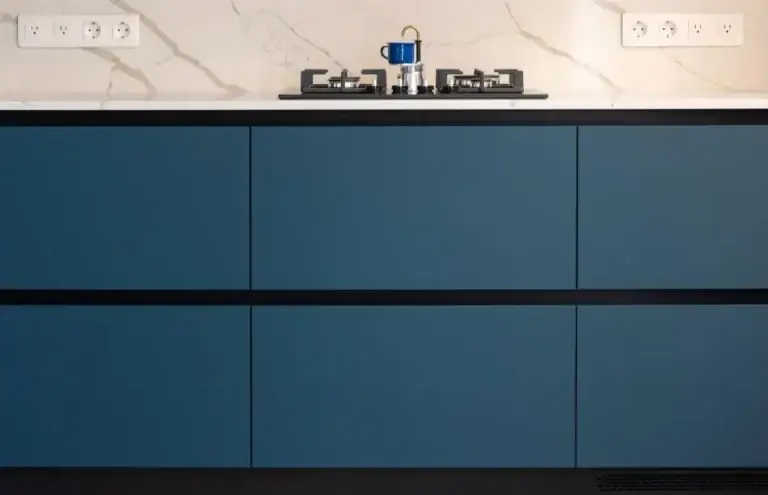
Kitchen Cabinets
Kitchen cabinets are one of the largest application areas for PVC decorative film.
Common uses include:
- Cabinet doors
- Drawer fronts
- Side panels
- Open shelving
PVC decorative film is popular in kitchens because it offers:
- Decorative flexibility
- Moisture resistance
- Easy cleaning
- Cost efficiency
PVC films are widely used for modern cabinet wrapping and surface renovation projects. If you want to understand the installation process, see our guide on How to Vinyl Wrap Kitchen Cabinets.
Thermofoil cabinet doors are also commonly manufactured using PVC-based decorative surfaces. You can read our detailed article discussing Whether Thermofoil Cabinet Doors are a Good Choice for Kitchens.
Beyond cabinet surfaces, PVC decorative materials are increasingly used for kitchen countertop applications due to their design versatility and easy maintenance. Explore our Complete Guide to Kitchen Countertop PVC Surfaces for more details.
Many homeowners and furniture manufacturers also want to understand long-term durability before choosing wrapped surfaces. Learn more about How Long Does Kitchen Wrapping Last?
Furniture Manufacturing
Furniture manufacturers use PVC decorative film for:
- Wardrobes
- Office furniture
- TV cabinets
- Tables
- Bedroom furniture
PVC film helps manufacturers achieve consistent decorative finishes at scale.
Wall Panels
Decorative wall panels increasingly use PVC film surfaces because they provide:
- Lightweight construction
- Fast installation
- Lower maintenance
- Flexible decorative styles
Wood grain and marble-effect wall panels are especially popular in modern interiors.
Interior Doors
PVC membrane films are widely used for interior doors because they offer:
- Consistent decorative appearance
- Good surface durability
- Cost-effective production
- Easier maintenance
Vacuum membrane pressing is commonly used for profiled MDF doors.
Commercial Interiors
Architectural decorative films are increasingly used in:
- Hotels
- Offices
- Retail stores
- Restaurants
- Healthcare spaces
Fast renovation and reduced downtime are major advantages in commercial projects.
According to the U.S. Environmental Protection Agency (EPA), material selection can affect indoor air quality and VOC emissions in building environments.
PVC Film Performance
PVC decorative film performance depends on:
- Raw material quality
- Surface coating systems
- Manufacturing technology
- Application method
Professional buyers typically evaluate decorative films based on several key factors.
Water Resistance
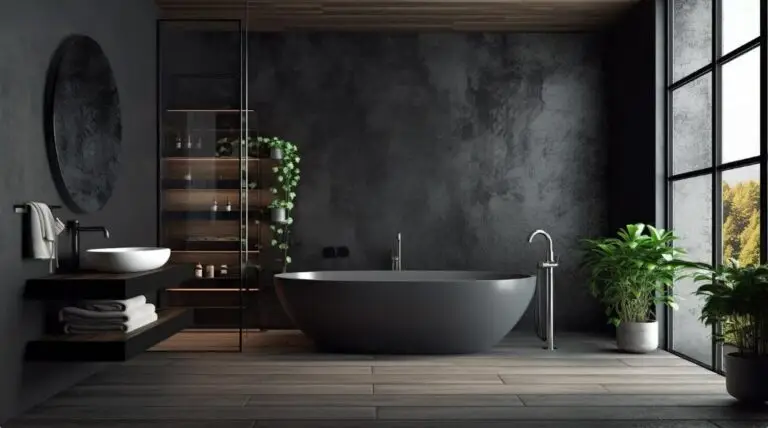
PVC itself is naturally water resistant, making decorative film suitable for:
- Kitchens
- Bathrooms
- Laundry areas
- Commercial interiors
However, overall performance also depends on:
- Edge sealing
- Lamination quality
- Substrate protection
- Installation quality
To better understand how PVC performs in wet and humid environments, read our detailed guide: Is PVC Waterproof? Everything You Need to Know About Water Resistance and Durability
Scratch Resistance
Scratch resistance is especially important for:
- Kitchen cabinets
- Office furniture
- Commercial surfaces
Modern protective coatings can improve:
- Surface hardness
- Stain resistance
- Abrasion resistance
- Cleaning performance
Heat Resistance
PVC decorative film is designed for indoor applications under normal interior temperatures.
Heat resistance varies depending on:
- Film formulation
- Coating systems
- Adhesive quality
Areas near ovens or cooktops may require higher-performance decorative films.
UV Resistance
Modern decorative films may contain UV stabilizers to reduce:
- Yellowing
- Color fading
- Surface aging
Long-term direct sunlight exposure can still affect decorative surfaces over time.
Flexibility
PVC film offers excellent flexibility compared with many rigid decorative materials.
This makes it suitable for:
- Curved furniture components
- Vacuum membrane pressing
- Edge wrapping
- Profiled surfaces
PVC vs Other Decorative Materials
PVC decorative film is often compared with other decorative surface materials used in furniture and interior applications.
PVC vs Acrylic
| Feature | PVC Film | Acrylic |
|---|---|---|
| Flexibility | High | Low |
| Gloss Effect | Medium to High | Extremely High |
| Formability | Excellent | Limited |
| Cost | Lower | Higher |
Acrylic is popular for ultra-high-gloss surfaces, while PVC offers greater processing flexibility and broader application compatibility. For a more detailed comparison of appearance, durability, cost, and application performance, see our complete guide to PVC vs Acrylic
PVC vs PET Decorative Film
| Feature | PVC | PET |
|---|---|---|
| Flexibility | Higher | Lower |
| Heat Resistance | Moderate | Better |
| Cost | Lower | Higher |
| Processability | Easier | More demanding |
PET films are increasingly used in premium furniture applications, while PVC remains dominant in many mass-production markets. If you want to better understand how PVC compares with other decorative film materials such as PP, PET, and PETG, explore our detailed guide to the differences between PVC, PP, PET, and PETG.
In some industrial and packaging applications, PE film is also commonly compared with PVC due to differences in flexibility, durability, and processing characteristics. You can also read our comparison of PE and PVC film materials.
PVC vs Veneer
Natural wood veneer provides authentic wood texture, but PVC decorative film offers:
- Better consistency
- Lower maintenance
- Improved moisture resistance
- More stable production costs
PVC wood grain films are widely used as alternatives to veneer in large-scale furniture manufacturing. For additional insight into decorative surface technologies and material applications, see our thermofoil vs laminate comparison guide.
Installation & Lamination Methods
PVC decorative film can be applied using several different installation and lamination methods depending on the substrate, application environment, and production process.
The correct installation method directly affects:
- Surface appearance
- Adhesion strength
- Edge performance
- Long-term durability
Vacuum Membrane Pressing
Vacuum membrane pressing is one of the most common processing methods for PVC decorative film.
The process involves:
- Heating the PVC film
- Softening the material
- Applying vacuum pressure
- Wrapping the film around profiled substrates
This method is widely used for:
- Kitchen cabinet doors
- MDF furniture panels
- Decorative interior doors
- Profiled furniture components
Main advantages include:
- Seamless surface appearance
- Excellent edge wrapping
- Compatibility with complex shapes
Flat Lamination
Flat lamination is mainly used for flat decorative panels.
The process typically uses:
- Roller laminating systems
- PUR adhesive systems
- Pressure bonding equipment
Common applications include:
- Wall panels
- Furniture boards
- Decorative shelving
- Flat cabinet surfaces
Flat lamination offers:
- Stable production quality
- Faster manufacturing speed
- Lower processing complexity
Self-Adhesive Installation
Self-adhesive PVC film is increasingly used in renovation and refurbishment projects.
Typical applications include:
- Kitchen wrapping
- Furniture resurfacing
- Wall upgrades
- Retail renovation
- Hotel refurbishment
Advantages include:
- Faster installation
- Reduced demolition
- Lower renovation costs
- Minimal disruption to existing spaces
However, installation quality is extremely important.
Improper installation may cause:
- Air bubbles
- Wrinkles
- Edge lifting
- Adhesion failure
PUR Adhesive Systems
PUR (polyurethane reactive) adhesive systems are commonly used in decorative film lamination because they provide:
- Strong bonding performance
- Moisture resistance
- Heat resistance
- Long-term durability
PUR adhesives are especially important in applications exposed to humidity and temperature fluctuations.
According to the European Chemicals Agency (ECHA), chemical safety and compliant material selection are increasingly important in interior material applications.
Common Problems and Solutions
Even high-quality decorative films may experience performance issues if processing, installation, or material selection is incorrect.
Understanding common problems helps manufacturers and installers improve long-term reliability.
Peeling or Delamination
Common Causes
- Poor adhesive quality
- Improper substrate preparation
- Excessive moisture exposure
- Incorrect lamination temperature
- Insufficient bonding pressure
Solutions
- Use high-quality adhesive systems
- Improve surface preparation
- Control humidity during processing
- Optimize lamination parameters
Surface Bubbling
Common Causes
- Trapped air during installation
- Uneven adhesive application
- Excessive heat exposure
- Poor installation technique
Solutions
- Improve roller pressure
- Ensure smooth substrate surfaces
- Follow correct installation procedures
Color Fading
Common Causes
- Long-term UV exposure
- Low-quality pigments
- Weak UV stabilization systems
Solutions
- Use UV-resistant decorative films
- Reduce direct sunlight exposure
- Select higher-performance coating systems
Edge Lifting
Common Causes
- Weak edge bonding
- Moisture penetration
- Poor trimming quality
Solutions
- Improve edge sealing
- Use moisture-resistant adhesive systems
- Maintain stable processing temperatures
Surface Scratches
Common Causes
- Insufficient surface hardness
- Abrasive cleaning methods
- Heavy mechanical contact
Solutions
- Use anti-scratch coatings
- Avoid abrasive cleaners
- Select commercial-grade decorative films for high-traffic environments
Sustainability & Environmental Considerations
Sustainability has become an increasingly important topic in the decorative materials industry.
Architects, manufacturers, and project developers now evaluate materials based on factors such as:
- Indoor air quality
- VOC emissions
- Material lifespan
- Waste reduction
- Chemical safety
- Renovation efficiency
Modern PVC decorative films have evolved significantly compared with older generations of decorative materials.
Many manufacturers now focus on:
- Low-VOC formulations
- Phthalate-free systems
- REACH compliance
- RoHS compliance
- Improved recyclability
Indoor Air Quality and VOC Concerns
Indoor air quality is a major consideration in modern interior design and renovation.
According to the U.S. Environmental Protection Agency (EPA), some building materials and furnishing products may release volatile organic compounds (VOCs) into indoor environments.
For decorative surface materials, VOC performance depends on:
- Coating systems
- Adhesives
- Plasticizers
- Printing inks
- Manufacturing standards
High-quality decorative films designed for interior use increasingly aim to reduce emissions and improve indoor environmental compatibility.
Renovation Without Demolition
One of the major advantages of decorative film systems is the ability to renovate existing surfaces without full replacement.
Compared with traditional renovation methods, decorative film wrapping may help reduce:
- Construction waste
- Renovation downtime
- Material consumption
- Transportation requirements
This is one reason decorative film solutions are becoming increasingly popular in:
- Hotels
- Retail spaces
- Offices
- Residential renovation projects
Final Thoughts
PVC decorative film has become an important decorative surface material in modern furniture manufacturing and interior renovation.
Its continued popularity comes from its ability to combine:
- Decorative versatility
- Cost efficiency
- Flexible processing
- Consistent surface quality
- Renovation convenience
As a professional decorative surface material supplier, Lonmay focuses on decorative film solutions for furniture, cabinets, wall panels, doors, and interior surface applications, supporting global customers with customized decorative surface solutions.
Looking for customized PVC decorative film solutions for your project or business? Contact our team at esther@lonmay.com.cn to discuss materials, finishes, and application requirements.