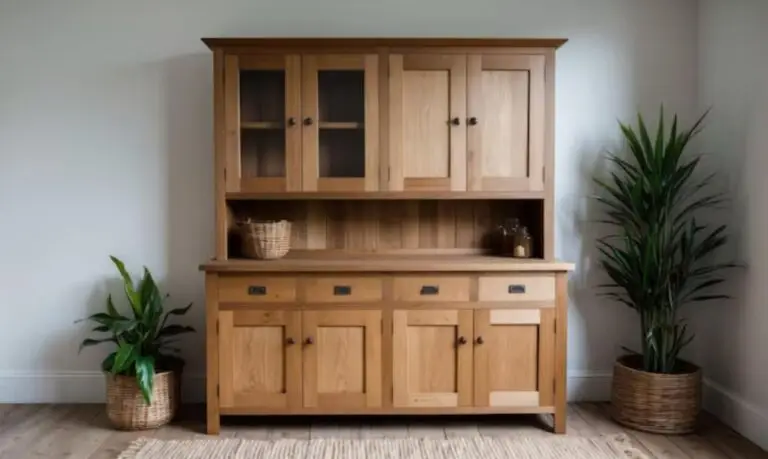
As demand for residential upgrades and commercial space renovations continues to grow, more property owners, designers, and contractors are looking for faster, more cost-effective renovation solutions.
Traditional interior finishing methods such as paint, wallpaper, or laminates often come with several drawbacks:
- Long installation time
- High removal and labor costs
- Dust, noise, and disruption
- Negative impact on daily operations or occupancy
Against this backdrop, interior film has emerged as a practical and efficient alternative. With advantages such as quick installation, cost control, and design flexibility, it is increasingly used in both residential and commercial renovation projects.
What Is Interior Film?
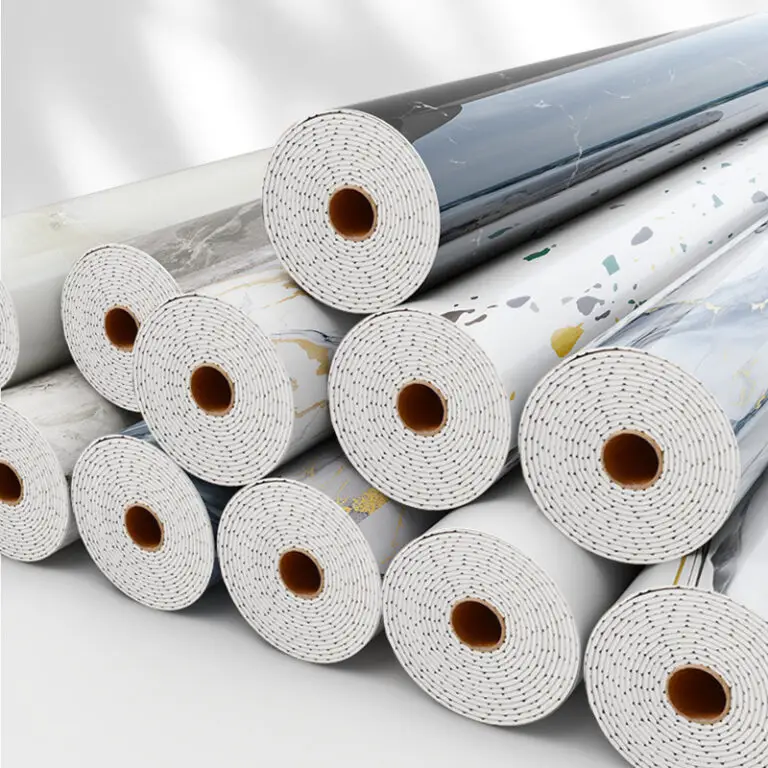
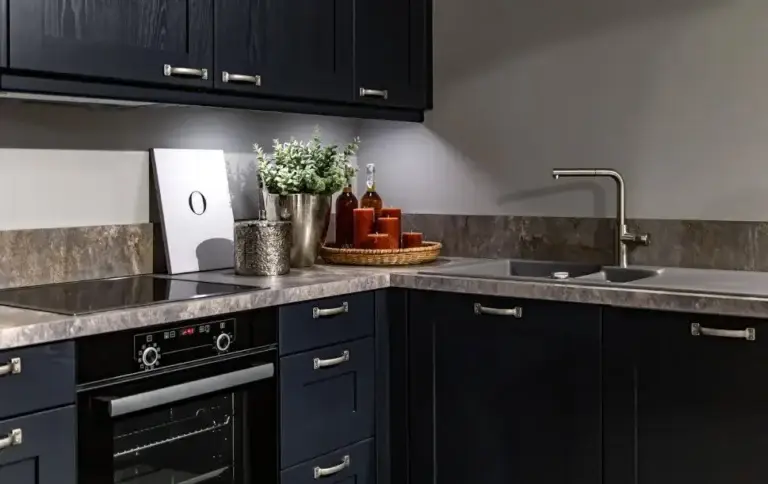
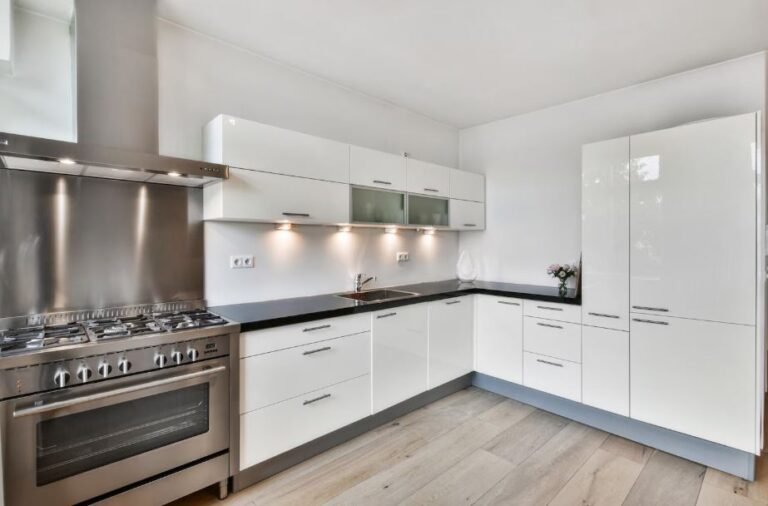
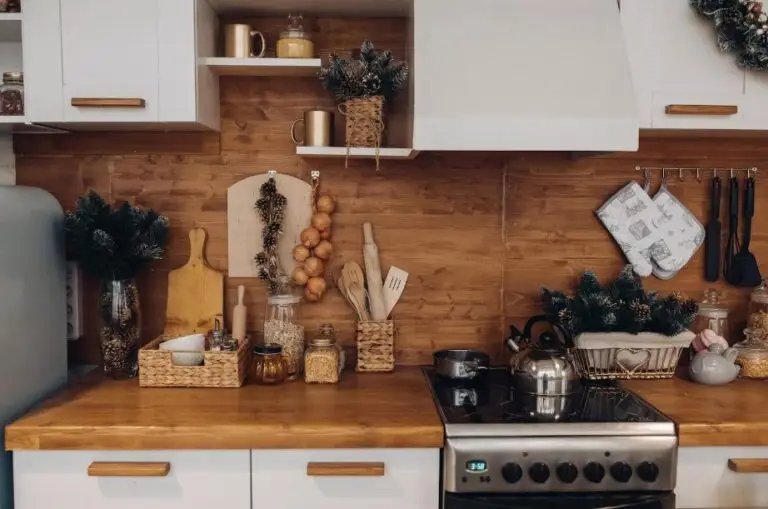
Interior film is a decorative surface material used for upgrading and refinishing interior surfaces. It is typically applied as a self-adhesive layer to walls, furniture, doors, glass, and other substrates.
A standard interior film structure usually includes:
- A base layer, commonly made of PVC or similar polymers
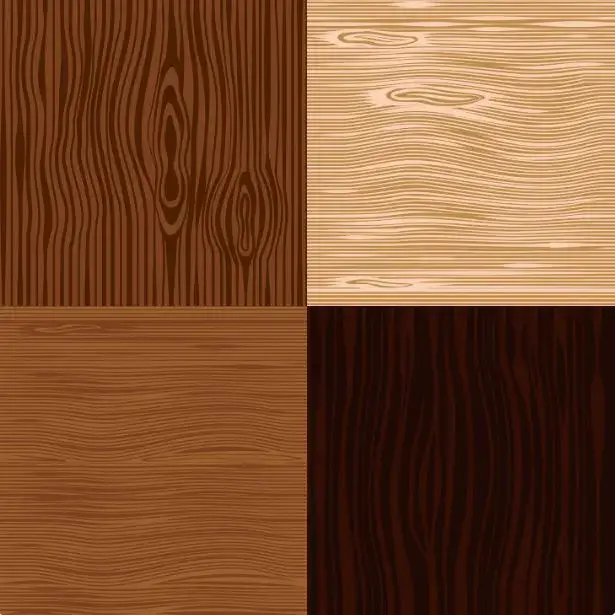
- A decorative layer that replicates finishes such as wood, stone, metal, or solid colors
- A protective top layer that enhances durability, scratch resistance, and stain resistance
Key characteristics include:
- Self-adhesive application, requiring no complex installation
- Compatibility with a wide range of surfaces
- Ability to deliver fast and non-invasive renovations
In essence, interior film is not just a decorative product, but a surface finishing solution designed for modern interior upgrades.
Many interior films are manufactured using PVC foil due to its flexibility, printability, and thermoforming performance.
Interior film technology is also widely applied in decorative wallcovering products, including PVC laminated wallpaper designed for modern residential and commercial interiors.
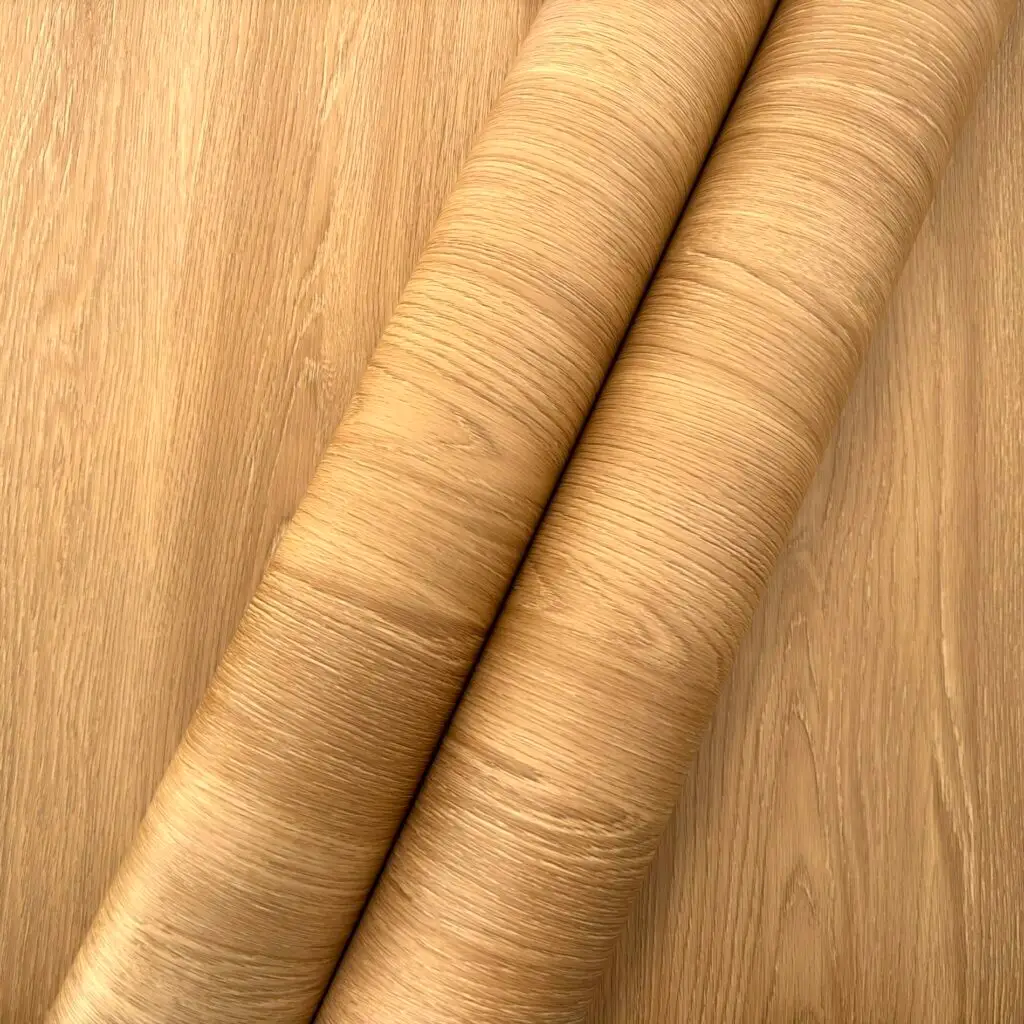
What Is Interior Film Made Of?
Most interior film products on the market are made from PVC (vinyl), which offers an ideal balance of performance, flexibility, and cost-effectiveness.
Typical structure includes:
| Layer | Function |
|---|---|
| Protective top layer | Provides scratch, wear, and stain resistance |
| Decorative layer | Creates visual effects such as wood, stone, or metallic finishes |
| Base layer (PVC) | Ensures flexibility and dimensional stability |
| Adhesive layer | Enables self-adhesive installation |
| Release liner | Protects the adhesive before application |
Material characteristics:
- Excellent flexibility for flat and curved surfaces
- Good resistance to moisture and humidity
- Suitable for a wide range of interior environments
Key Features and Benefits
Compared to traditional finishing materials, interior film offers several clear advantages:
Cost-effective
No need to remove existing surfaces, significantly reducing labor and material costs
Fast installation
Short installation time, ideal for projects with tight schedules
Wide design options
Available in a variety of finishes, including:
Lightweight
Thin and lightweight, adding minimal load to existing structures
Easy maintenance
Smooth surfaces that are easy to clean and maintain
More sustainable approach
Reduces construction waste and minimizes on-site disruption compared to traditional renovation methods
Common Applications
Interior film is widely used across both residential and commercial environments:
For Walls
- Wall refurbishment and decorative upgrades
- Alternative to paint or wallpaper
- Suitable for homes, offices, and hospitality spaces
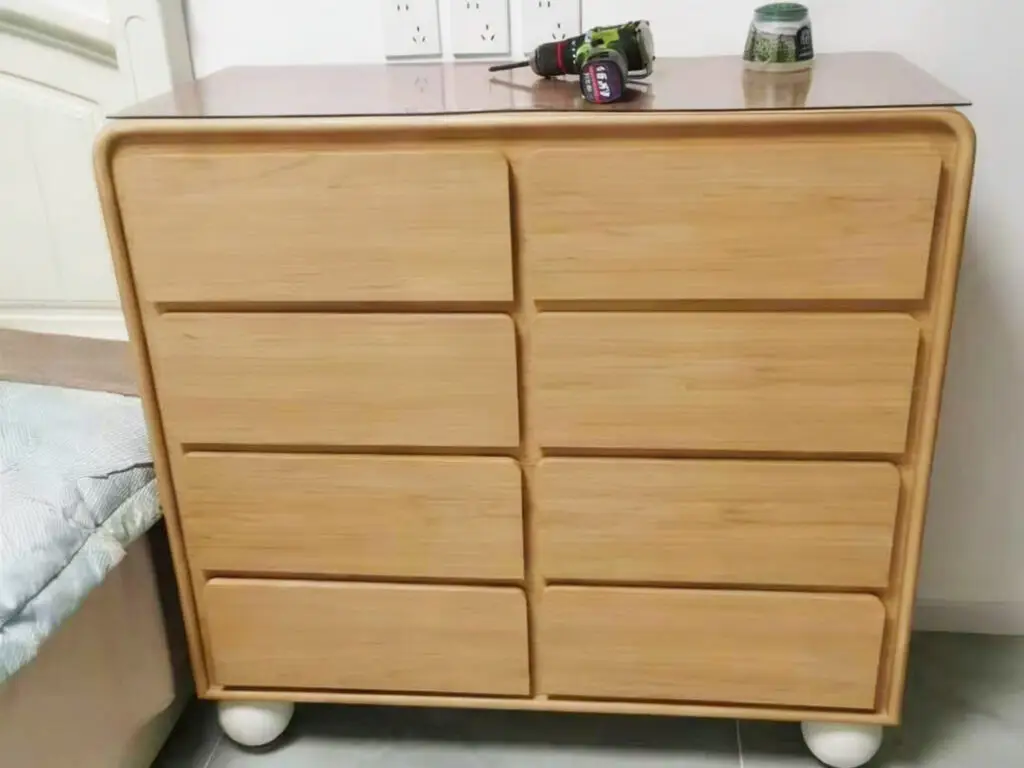
For Furniture
- Cabinets, wardrobes, and tabletops
- Refurbishing old or worn furniture
- Extending furniture lifespan
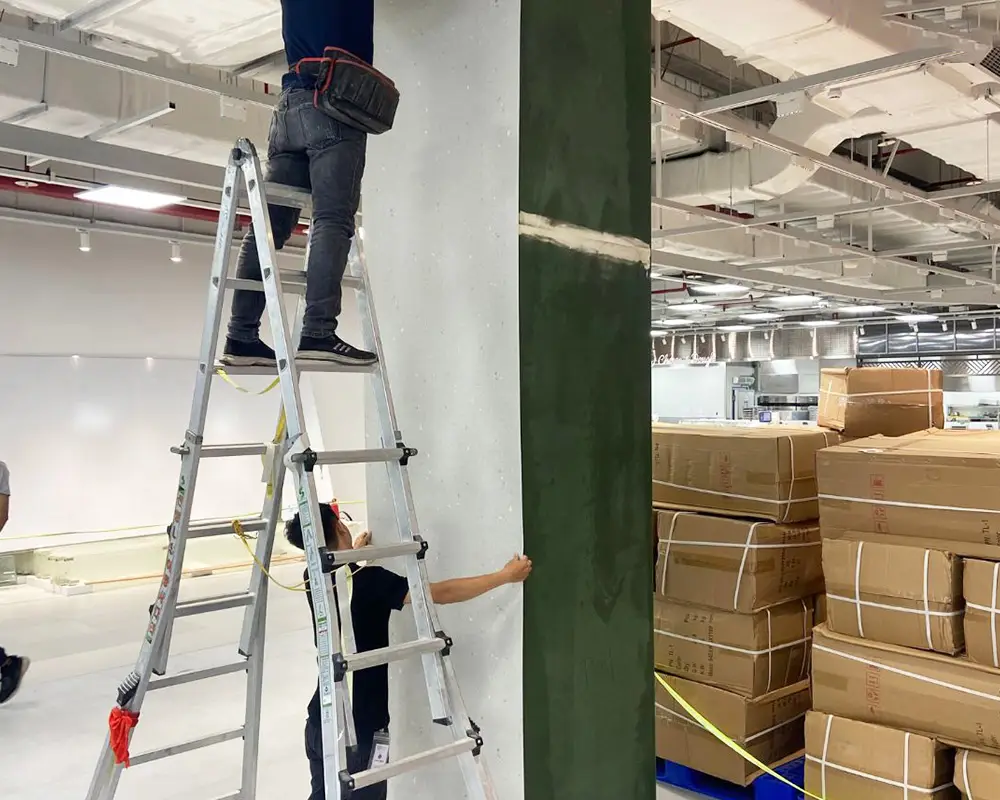
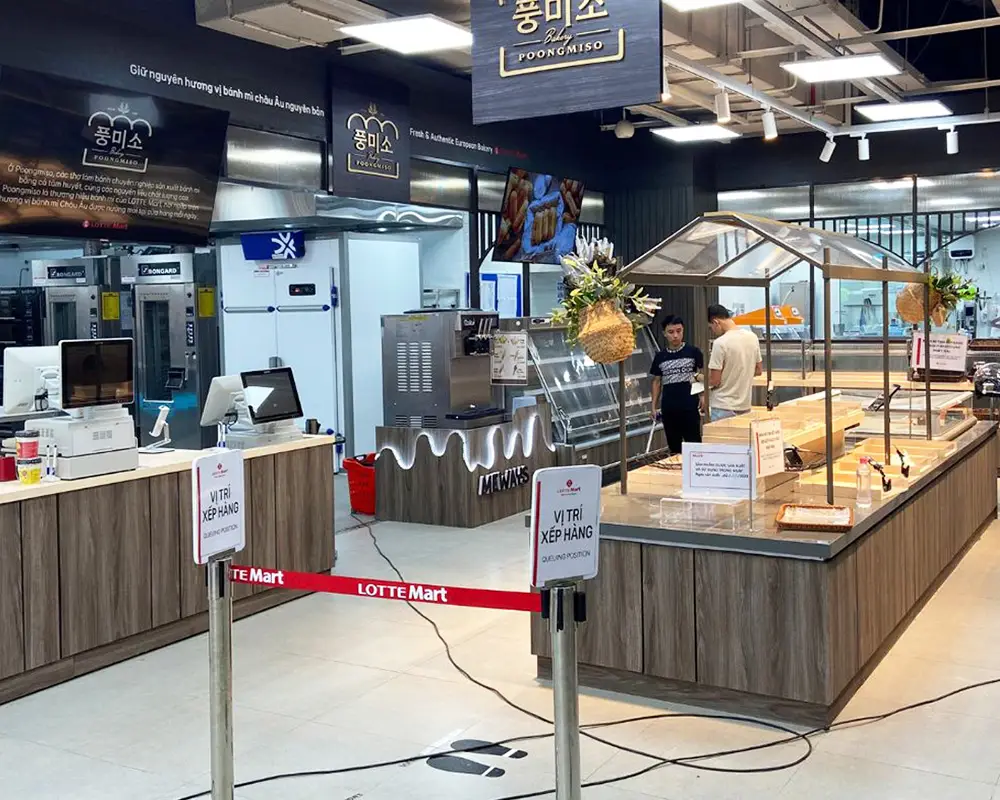
For Commercial Spaces
- Hotel lobbies and guest rooms
- Office renovations
- Retail and display environments
Particularly suitable for projects where downtime must be minimized
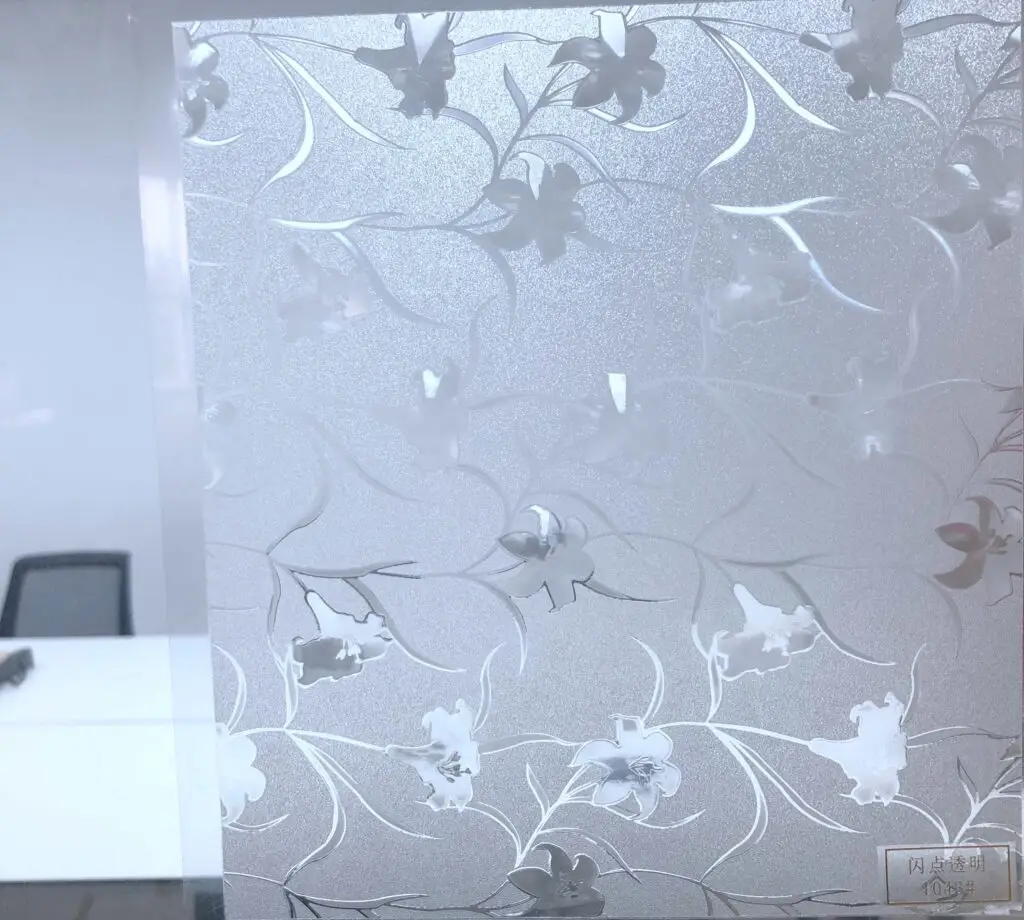
For Glass and Partitions
- Decorative glass finishes
- Privacy enhancement
- Modern interior design applications
Interior Film vs Traditional Materials
To better understand its value, here is a comparison between interior film and conventional materials:
| Criteria | Interior Film | Paint | Wallpaper | Laminate |
|---|---|---|---|---|
| Installation time | Fast | Medium | Medium | Slow |
| Surface removal required | No | Yes | Yes | Yes |
| Cost | Lower | Medium | Medium | Higher |
| Replaceability | High | Low | Medium | Low |
| Installation disruption | Minimal | High | Medium | High |
Overall, interior film is especially suitable for fast renovation and commercial applications
Is Interior Film Durable and Safe?
Durability
Under normal conditions, interior film typically offers a service life of:
- 5 to 10 years in residential settings
- Varies in commercial environments depending on usage intensity
It generally provides:
- Water resistance
- Stain resistance
- Wear resistance
Safety
- Suitable for indoor applications
- Can meet different environmental standards depending on the product
- Installation requires minimal chemical processes compared to traditional methods
Always refer to the supplier’s technical specifications for detailed performance data
How to Choose the Right Interior Film
When selecting the right interior film, consider the following factors:
- Application scenario: Walls, furniture, or commercial use
- Thickness and durability: Heavier-duty options for high-traffic areas
- Surface finish: Wood, stone, metallic, or solid color
- Adhesive type: Permanent or removable options
- Supplier capabilities: Design variety, Customization options, Project experience
For large-scale or commercial projects, it is recommended to work with manufacturers that offer proven production capacity and project experience
Conclusion
As a modern surface finishing solution, interior film is reshaping how interior renovations are approached.
It offers clear advantages in:
- Reducing renovation costs
- Shortening project timelines
- Expanding design possibilities
It is particularly well-suited for:
- Commercial renovations
- Hospitality and office upgrades
- Fast-track refurbishment projects
Have a project in mind? Contact us today to get expert advice and tailored solutions. Email: esther@lonmay.com.cn