PVC (Polyvinyl Chloride) is a material widely used in construction, interior decoration, furniture manufacturing, as well as wall and flooring applications. Many people often ask: is pvc waterproof? In other words, can PVC be used long-term in kitchens, bathrooms, or even some outdoor environments without being affected by moisture?
This article provides a comprehensive overview of PVC’s water resistance, including its material properties, practical applications, installation and maintenance tips, and a comparison with other common materials, helping you make informed choices for different projects.
What Is PVC?
Definition and Composition
PVC is a polymer formed by the polymerization of vinyl chloride monomers. Its molecular structure contains chlorine atoms, which gives PVC inherent flame retardancy and chemical stability. Depending on processing and formulation, PVC is mainly divided into:
- Rigid PVC: Commonly used for panels, wall boards, window frames, and other structural applications
- Flexible PVC: Produced with plasticizers, suitable for flooring, pipes, and film materials
One of PVC’s key advantages is its versatility. Different additives can improve hardness, wear resistance, fire resistance, and UV stability, which explains why it is widely used in construction and interior design projects.
Common Forms and Applications
In practice, PVC is commonly found in:
- PVC sheets and foam boards
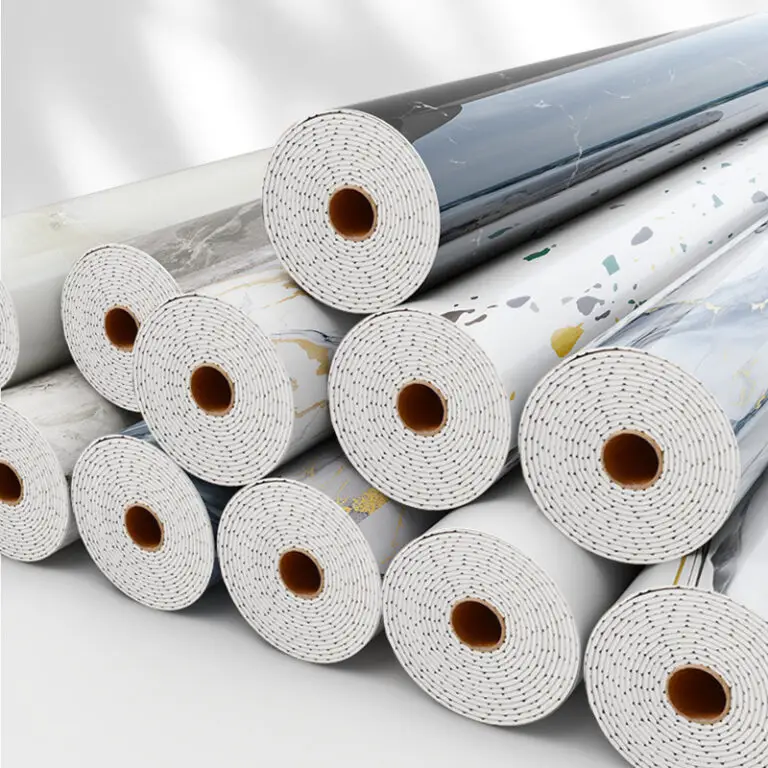
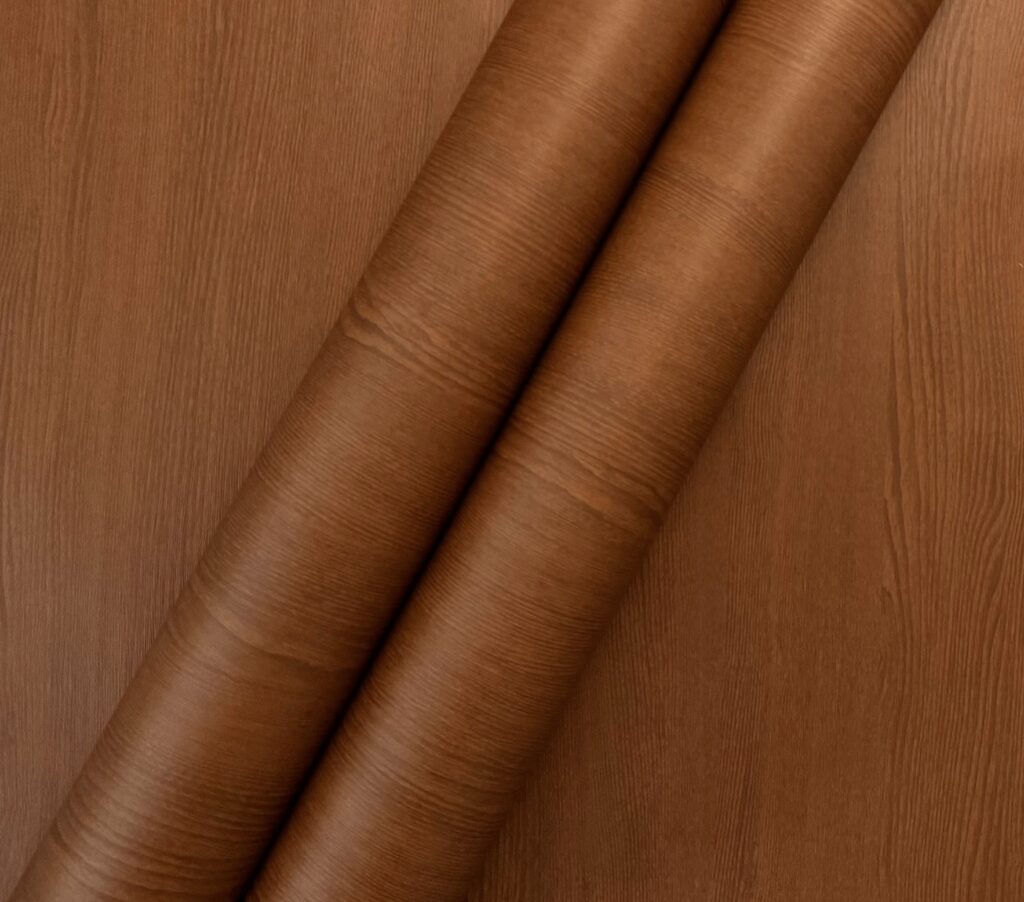
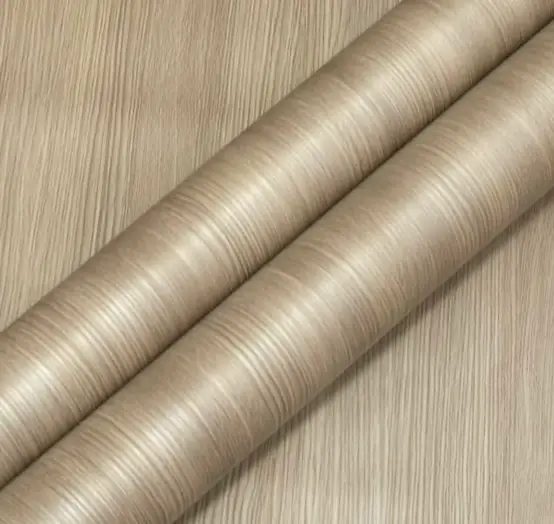
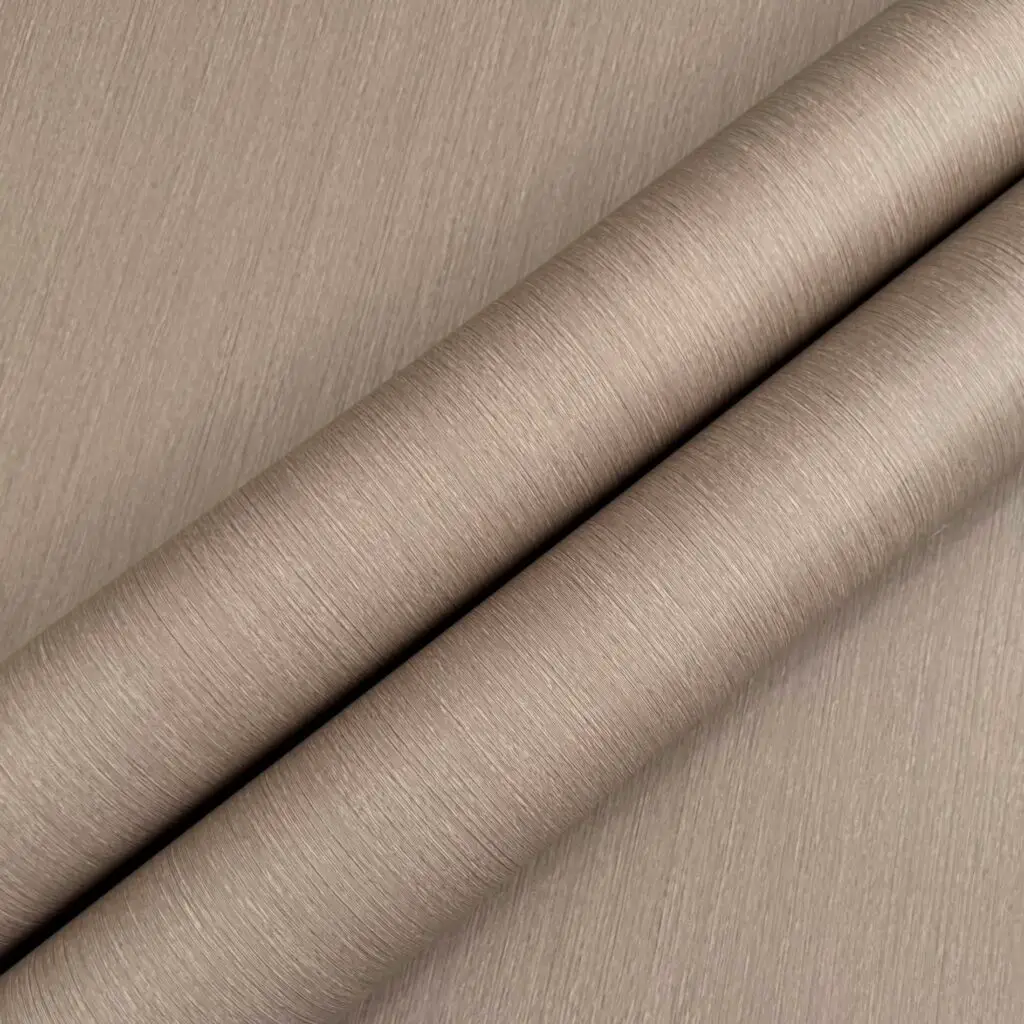
- Decorative PVC films
- Laminated panels
- Self-adhesive PVC films
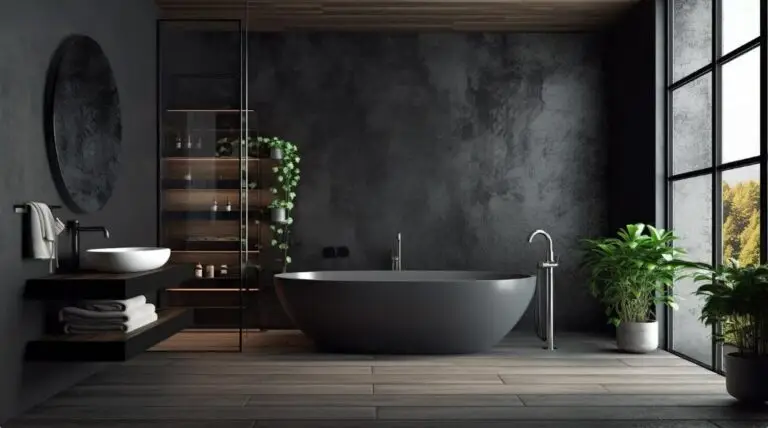
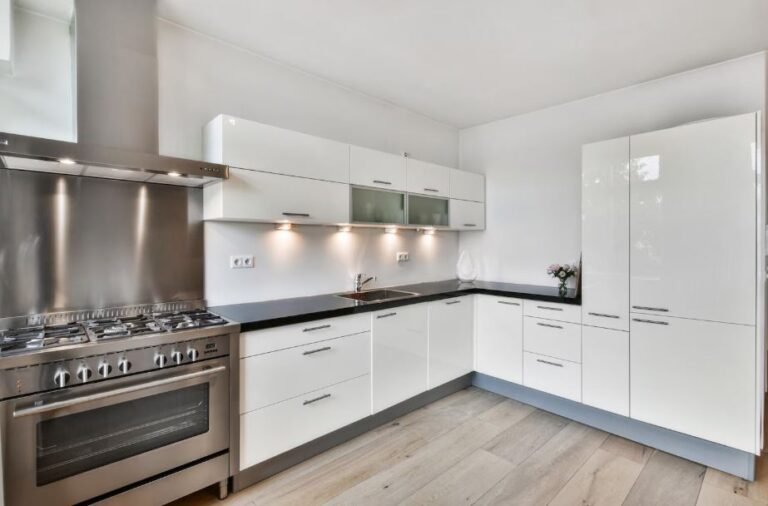
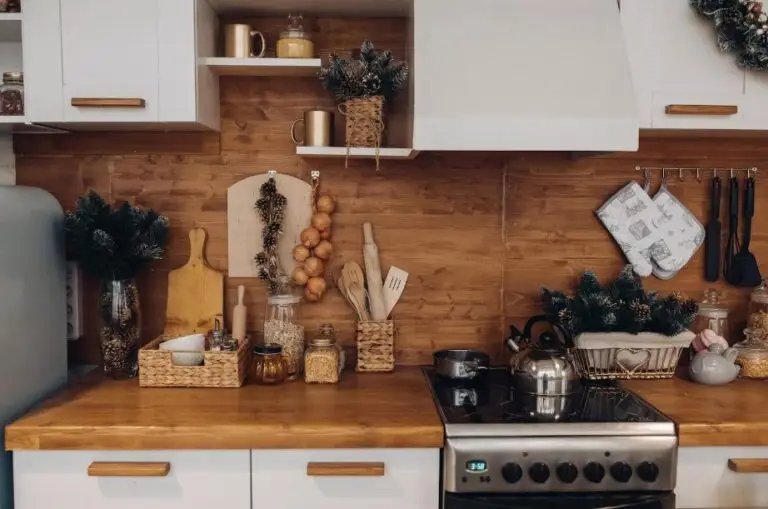
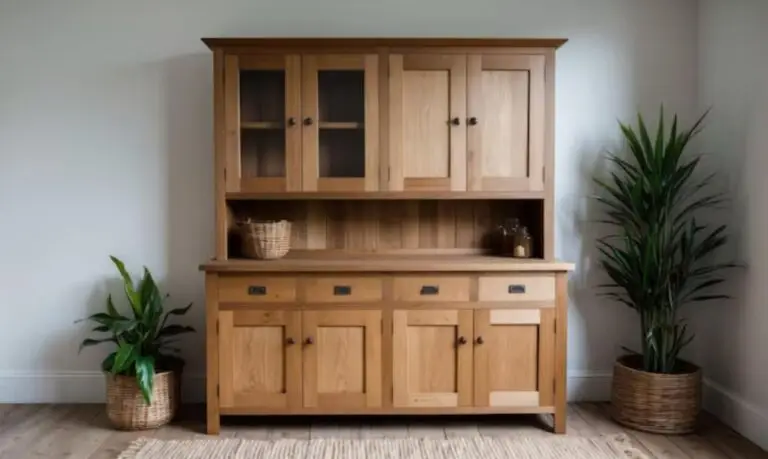
These materials can be used for wall coverings, cabinet doors, bathroom waterproof panels, and interior ceilings. Its water-resistant properties and versatility make PVC a popular choice for both furniture and building projects.
Understanding Water Resistance
Waterproof vs Water-Resistant
Before answering is pvc waterproof, it is important to understand the difference:
- Waterproof: The material completely prevents water penetration
- Water-Resistant: The material can resist moisture or minor splashes, but does not guarantee full long-term waterproofing
Many people confuse these terms. The water resistance of PVC actually depends on the type of material, its thickness, and the quality of installation.
How PVC Handles Moisture
PVC’s molecular structure and low water absorption make it highly resistant to water and most liquids. Compared to materials like wood or MDF, PVC absorbs almost no water, making it ideal for humid environments. However, prolonged exposure to UV light or extreme outdoor conditions can cause untreated PVC to age or expand slightly.
Is PVC Waterproof?
Indoor Use Cases
PVC generally provides reliable water resistance for indoor applications, including:
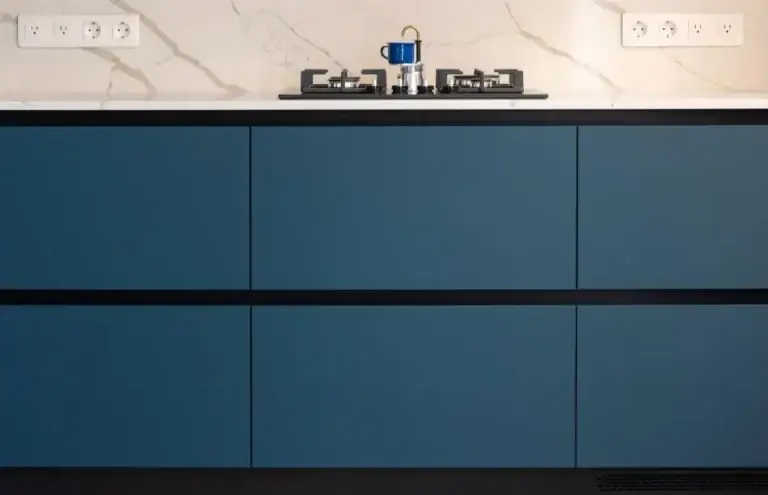
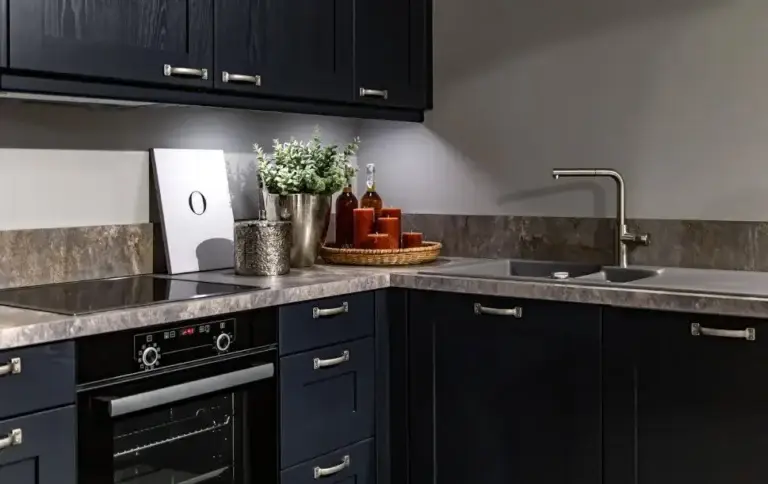
- Kitchen wall panels and splash areas
- Bathroom waterproof panels
- Furniture surface coverings (cabinets, doors, countertops)
It is important to note that PVC’s waterproof performance depends not only on the material itself but also on installation and edge sealing. Proper sealing and installation ensure long-term stability in moist environments.
Outdoor Use Cases
For outdoor use, consider the following factors:
- UV exposure: prolonged sunlight can cause material aging
- Temperature changes: flexible PVC may expand or slightly deform under extreme conditions
- Rain and moisture: UV-stabilized or laminated PVC can improve water resistance
Therefore, PVC’s outdoor waterproof performance is somewhat limited compared to indoor use, but treated or coated PVC can still be used in certain exterior applications.
Factors Affecting Waterproof Performance
The waterproof performance of PVC depends on several key factors:
| Factor | Description |
|---|---|
| Material Type | Rigid PVC generally offers more stable water resistance; flexible PVC is better for curved applications |
| Thickness | Thicker panels provide better water resistance |
| Lamination / Coating | Laminates and coatings enhance durability and moisture protection |
| Installation Quality | Proper sealing, joint treatment, and fixing methods are crucial for waterproofing |
| Maintenance | Regular cleaning and avoiding chemical exposure extend the lifespan |
Advantages and Limitations of PVC
Advantages
- Water-resistant: Low water absorption, suitable for bathrooms and kitchens
- Easy to clean: Smooth surfaces allow quick removal of dirt and stains
- Highly versatile: Can be thermoformed, laminated, and textured in various designs
- Cost-effective: Affordable for large-area applications
Limitations
- UV exposure outdoors: Requires UV stabilizers or protective coatings
- Wear resistance: Flexible PVC may show wear in high-friction areas
- Extreme conditions: High temperatures or prolonged standing water may cause slight expansion
PVC vs Other Materials in Waterproof Applications
PVC offers clear advantages over wood, MDF, and standard laminate in terms of water resistance:
| Material | Water Resistance | Maintenance | Cost |
|---|---|---|---|
| PVC | High | Easy to clean, replaceable in sections | Moderate-low |
| MDF | Low | Prone to swelling, requires waterproofing | Moderate |
| Wood | Medium | Needs coating or waterproof treatment | High |
| Laminate | Medium | Depends on edge sealing | Moderate |
PVC’s low water absorption and processability make it ideal for bathroom and kitchen wall panels, as well as furniture surfaces.
Installation and Maintenance Tips
- Seal edges: Ensure all panel or film joints are properly sealed
- Proper fixation: Prevent warping or localized stress
- Routine cleaning: Use warm water or neutral cleaners; avoid harsh solvents
- UV protection: For outdoor applications, choose UV-modified or laminated PVC
These steps maximize water resistance and prolong the material’s service life.
Conclusion
In conclusion, to answer the main question: is pvc waterproof—PVC demonstrates excellent water resistance for most indoor applications, including kitchens, bathrooms, furniture surfaces, and wall coverings.
For outdoor use, PVC is still suitable but requires attention to UV protection and material selection. Ultimately, PVC’s waterproof performance depends on:
- Material type (rigid or flexible)
- Thickness and lamination
- Installation quality and edge sealing
- Regular maintenance
With proper selection and installation, PVC can provide long-lasting and reliable waterproof solutions for both commercial and residential projects.
For professional advice on PVC panels, waterproof wall panels, or project-specific water-resistant solutions, contact us at esther@lonmay.com.cn. Our team can help you choose the ideal material for your needs.