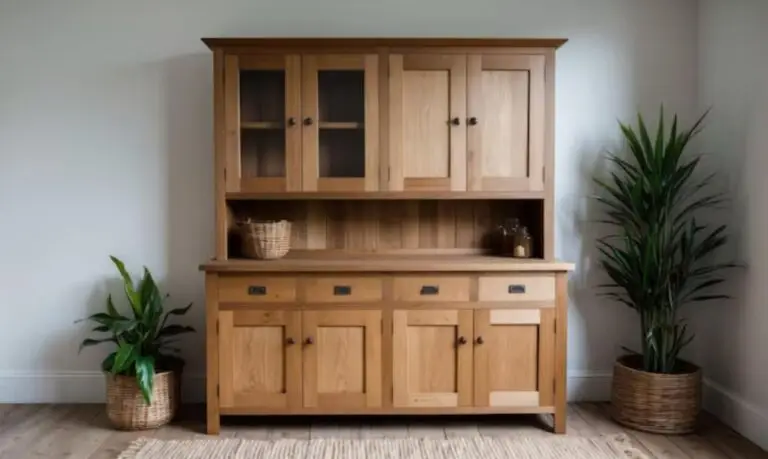
PE film (Polyethylene) and PVC film (Polyvinyl Chloride) are widely used in modern packaging, interior decoration, furniture wrapping, wall and floor protection, and industrial applications. Many users ask: what is the difference between PE and PVC film?
Choosing the wrong material can result in poor protection, reduced durability, or wasted costs. This article provides a detailed comparison of their chemical composition, physical properties, applications, and installation tips to help you make informed decisions and achieve the best results for your projects.
Overview of PE Film
Definition and Composition
PE film is made by polymerizing ethylene monomers. It can be divided into different types based on density and structure:
- LDPE (Low-Density Polyethylene): Flexible and transparent, suitable for packaging and temporary protection
- HDPE (High-Density Polyethylene): Hard and puncture-resistant, ideal for industrial protective films
- LLDPE (Linear Low-Density Polyethylene): Combines flexibility and strength, perfect for covering irregular surfaces
PE film is a thermoplastic material that is easy to process, lightweight, and cost-effective.
Key Properties of PE Film
- Low water absorption: Provides short-term moisture protection
- High flexibility: Can stretch and cover complex surfaces, such as cabinet doors or furniture edges
- Chemical resistance: Resistant to most acids and bases, but long-term exposure to strong solvents may cause damage
- Cost-effective: Suitable for large-area or disposable applications
- Easy to process: Can be blown, cast, or used as a protective layer
Typical Applications
- Food, industrial, and daily packaging films
- Furniture, flooring, or wall temporary protection
- DIY projects for surface protection
- Moisture and dust barriers
Question: Can PE film be used in kitchens or bathrooms?
Answer: It is suitable for short-term moisture protection but not recommended for long-term use in humid environments.
Overview of PVC Film
Definition and Composition
PVC film is made by polymerizing vinyl chloride monomers. Depending on processing, it can be:
- Rigid PVC: Suitable for structural applications, such as wall panels, doors, and window frames
- Flexible PVC: Made with plasticizers, used for self-adhesive films, floor films, and decorative coverings
The presence of chlorine in PVC gives it excellent waterproofing and chemical resistance.
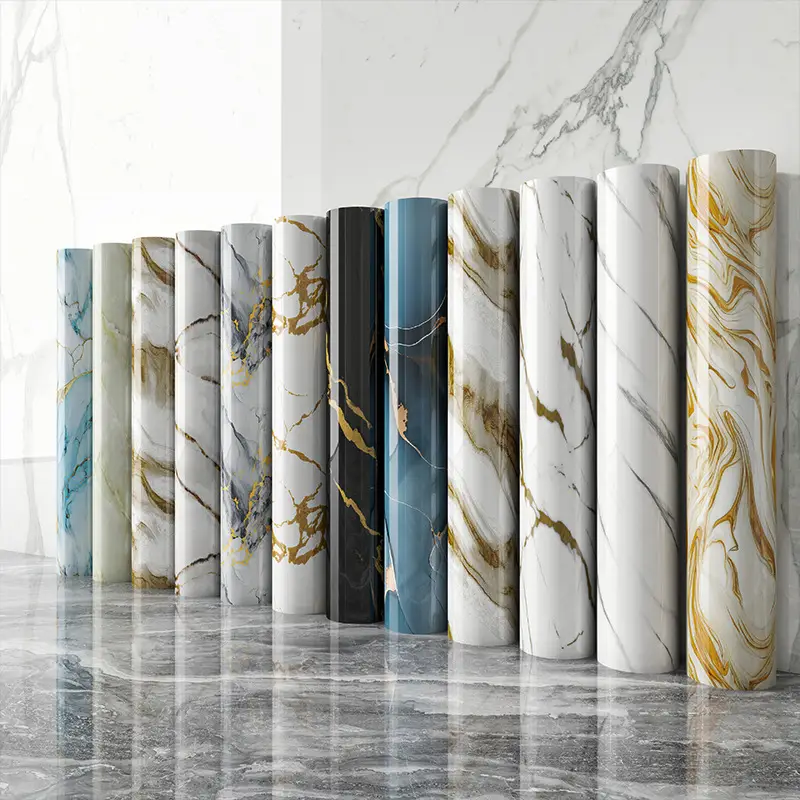
Key Properties of PVC Film
- Excellent water resistance: Virtually impervious to moisture, ideal for kitchens, bathrooms, and damp environments
- Durable and wear-resistant: Maintains quality during long-term use
- Decorative: Can be laminated, heat-bent, printed, or textured
- Moderate cost: Slightly higher than PE but offers better performance
- Long-lasting: Lifespan can reach 5–10 years depending on conditions and maintenance
Typical Applications
- Self-adhesive wall films, furniture doors, and cabinet surfaces
- Building decorative films and floor protection
- Industrial protective films or long-term surface covers
Question: Will PVC film bubble after installation?
Answer: Bubbles usually occur if the surface is uneven or contaminated with dust and oil. Clean, dry the surface, and use a squeegee for even adhesion.
Key Differences Between PE and PVC Film
Chemical and Physical Properties
| Property | PE Film | PVC Film |
|---|---|---|
| Water absorption | Low | Very low, better long-term waterproofing |
| Flexibility | High | Medium to high (flexible PVC) |
| Hardness | Low to medium | Medium to high (rigid PVC) |
| Heat resistance | 60–80°C | 80–100°C (modified PVC may be higher) |
| Chemical resistance | Good | Good to excellent |
| Appearance | Semi-transparent or matte | Can be printed, laminated, or textured |
| Lifespan | Short-term | Long-term, 5–10 years or more |
Durability and Lifespan
- PE film: Suitable for short-term protection or packaging; long-term exposure may lead to aging and discoloration
- PVC film: Suitable for long-term decoration and furniture wrapping; resistant to wear and moisture
Water Resistance
- PVC film provides superior waterproofing and is ideal for kitchens, bathrooms, and walls in damp environments
- PE film is better suited for short-term moisture protection or temporary coverage
Cost Comparison
- PE film is low-cost and suitable for disposable or large-area use
- PVC film is moderately priced but offers better durability, water resistance, and decorative potential
Processing and Application Flexibility
- PVC film can be heat-bent, laminated, and textured, making it ideal for high-quality decoration and furniture applications
- PE film is mainly used for packaging and temporary protection, with limited decorative capability
Question: Which film is better for DIY projects?
Answer: PE film is easier to handle and cost-effective for short-term DIY use, while PVC film is better suited for users with installation experience or professional renovation projects.
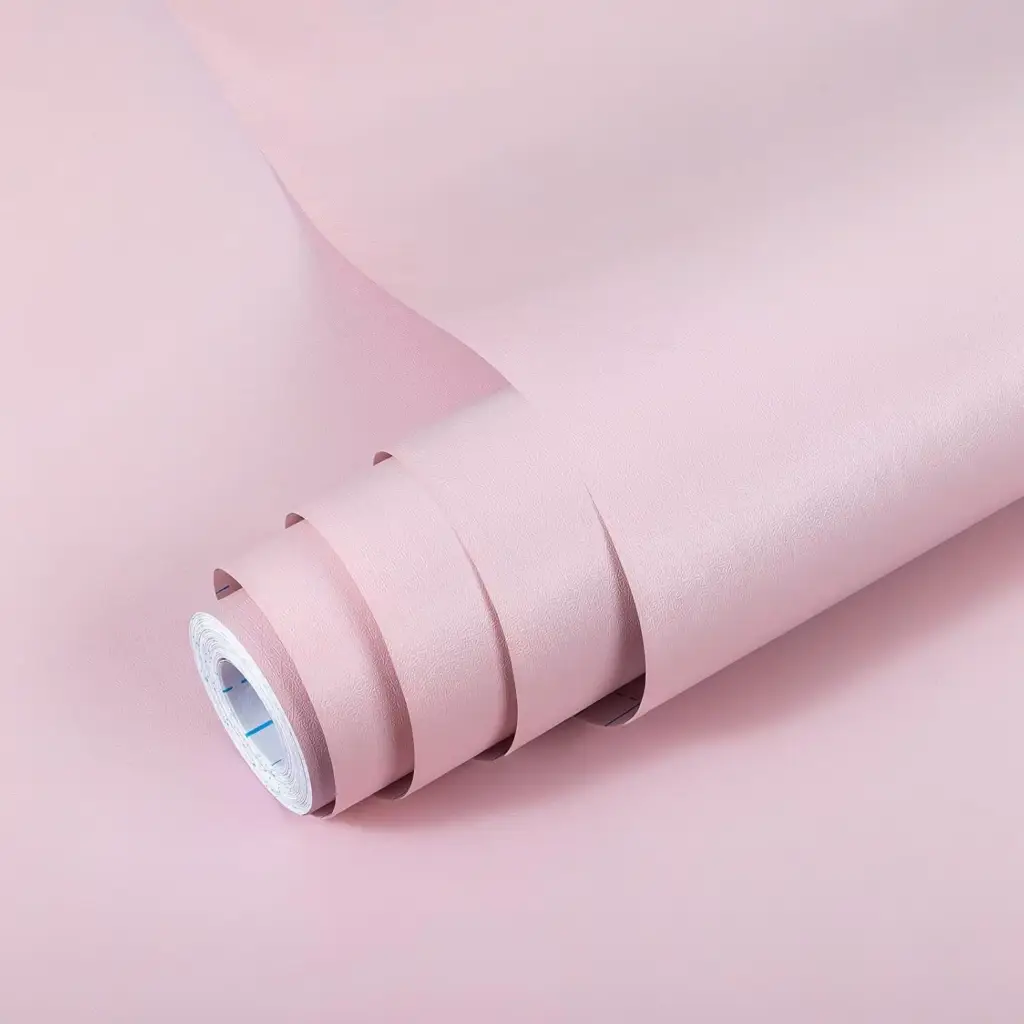
How to Choose Between PE and PVC Film
- Based on project type:
- Packaging or temporary protection → PE film
- Furniture wrapping or wall decoration → PVC film
- Based on environmental conditions:
- Damp or high-humidity areas (kitchen, bathroom) → PVC film
- Dry environments or short-term use → PE film
- Based on cost and performance balance:
- PE film: economical, lightweight, disposable
- PVC film: durable, waterproof, and decorative
Installation and Maintenance Tips
- PVC film:
- Ensure the surface is clean and flat before installation
- Use a squeegee to adhere evenly and avoid bubbles
- Seal edges to prevent moisture infiltration
- Clean periodically with a neutral cleaner to maintain appearance
- PE film:
- Mainly used for packaging or temporary protection
- Easy to apply and remove without residue
Question: Can self-adhesive PVC film be repositioned?
Answer: Flexible self-adhesive PVC can be repositioned short-term, but repeated movement may reduce adhesion.
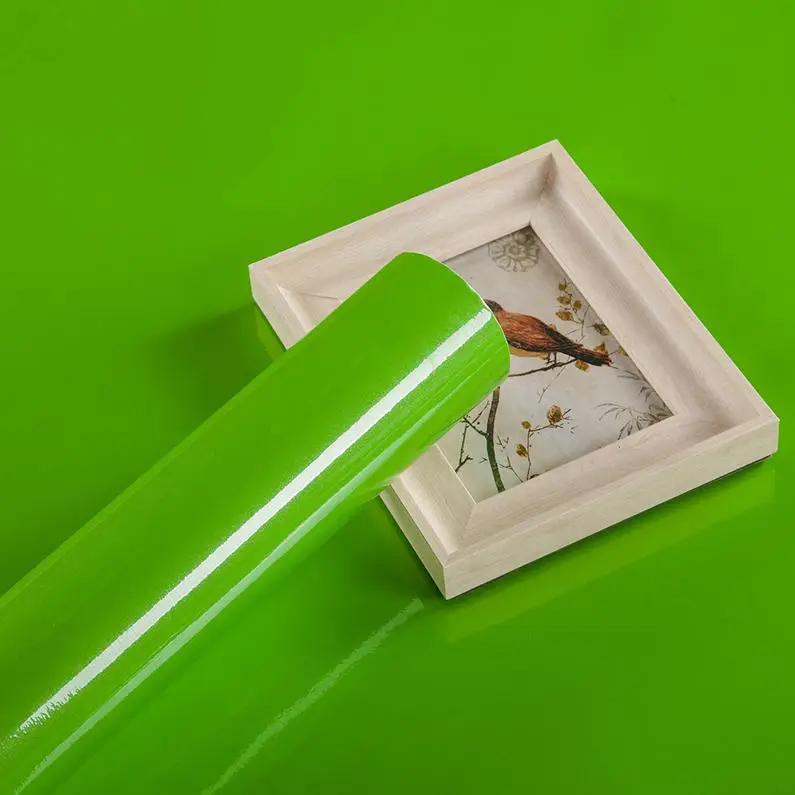
Conclusion
Answering the core question: what is the difference between PE and PVC film
- PVC film: Waterproof, durable, decorative, and suitable for long-term use in damp environments
- PE film: Cost-effective, flexible, and ideal for short-term protection and packaging
Selecting the right material depends on project type, environmental conditions, durability requirements, and budget. Proper installation and maintenance will extend the lifespan of both PE and PVC films and ensure optimal protection and aesthetics.
For professional advice, product recommendations, or samples of PVC and PE films, contact: esther@lonmay.com.cn. Our team will help you choose the best material for your project.