In any bedroom renovation, wall surfaces are more than just a visual element. They directly influence comfort, indoor air quality, and the overall atmosphere of the space. Compared to other areas of the home, bedrooms require higher standards for materials, particularly in terms of safety, environmental performance, and long-term stability.
Choosing the right wall materials and finishes is therefore one of the most important decisions in a bedroom renovation. This guide explores common material options, compares their performance, and provides practical recommendations to help you make an informed choice.
Why Wall Materials Matter in Bedroom Renovation
1. Impact on Comfort
Wall materials affect how a space feels visually and physically. Factors such as texture, reflectivity, and sound absorption can influence how comfortable a bedroom feels.
2. Impact on Indoor Health
Bedrooms are spaces where people spend extended periods. Materials with high VOC emissions or strong odors may negatively affect indoor air quality, making low-emission materials a key consideration.
3. Impact on Design Consistency
The color, texture, and finish of wall materials define the overall style of the bedroom, whether modern, minimalist, or natural.
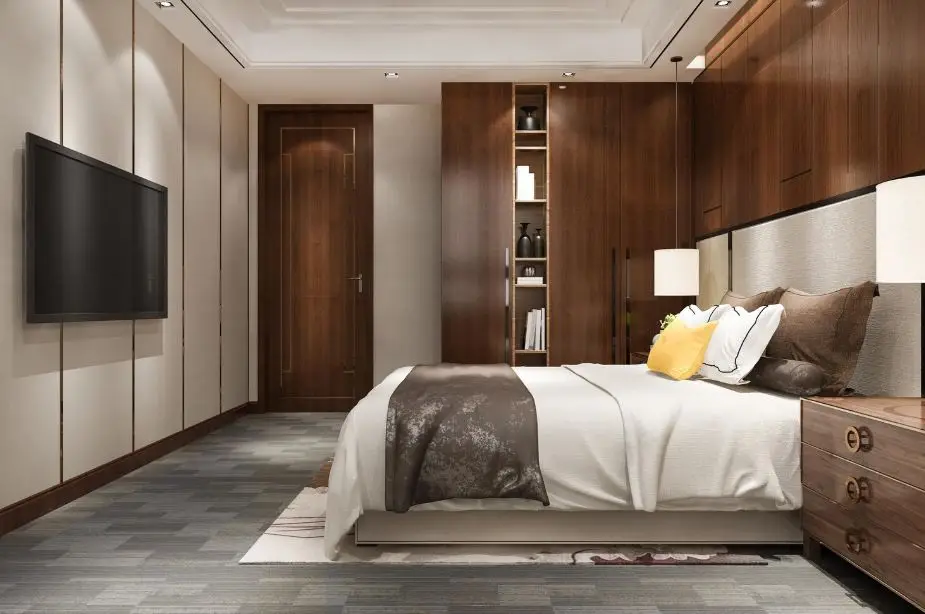
Common Types of Wall Materials
In practical bedroom renovation projects, the following wall materials are widely used:
1. Paint
Advantages:
- Low cost
- Easy application
- Wide range of colors
Limitations:
- Limited durability
- Prone to stains and cracking over time
Best for:
- Budget-conscious projects
- Short-term use or rental properties

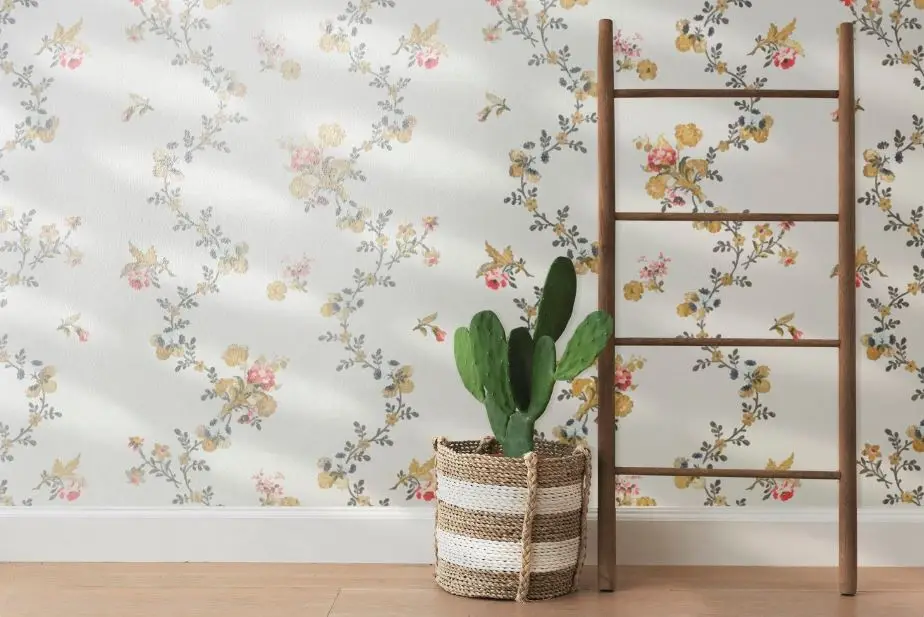
2. Wallpaper
Advantages:
- Wide variety of patterns and designs
- Strong decorative appeal
Limitations:
- Sensitive to moisture
- Shorter lifespan compared to other materials
Best for:
- Design-focused interiors
3. Wall Panels
Types:
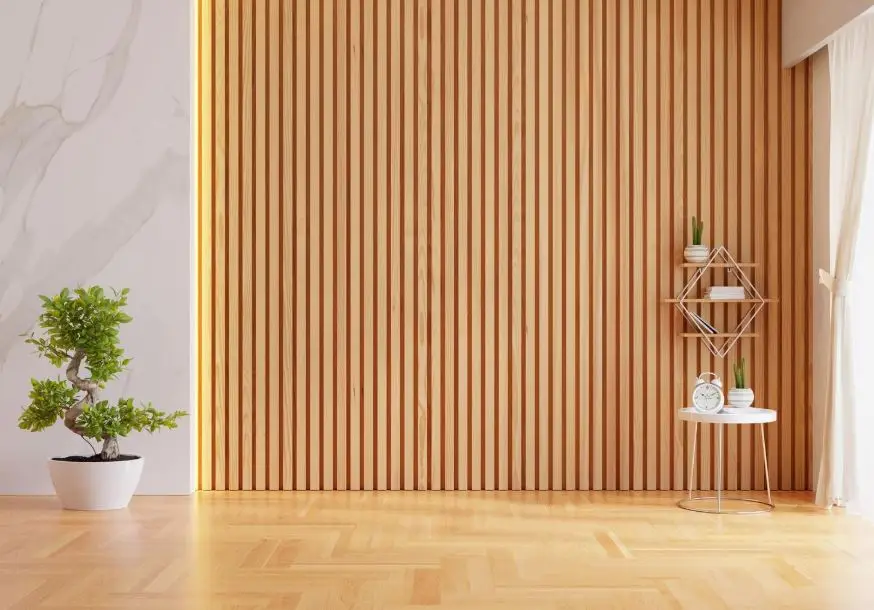
- Wood veneer panels
- PVC panels
- Composite decorative panels
Advantages:
- High durability
- Adds depth and texture
- Enhances perceived interior quality
Limitations:
- Higher cost
- More complex installation
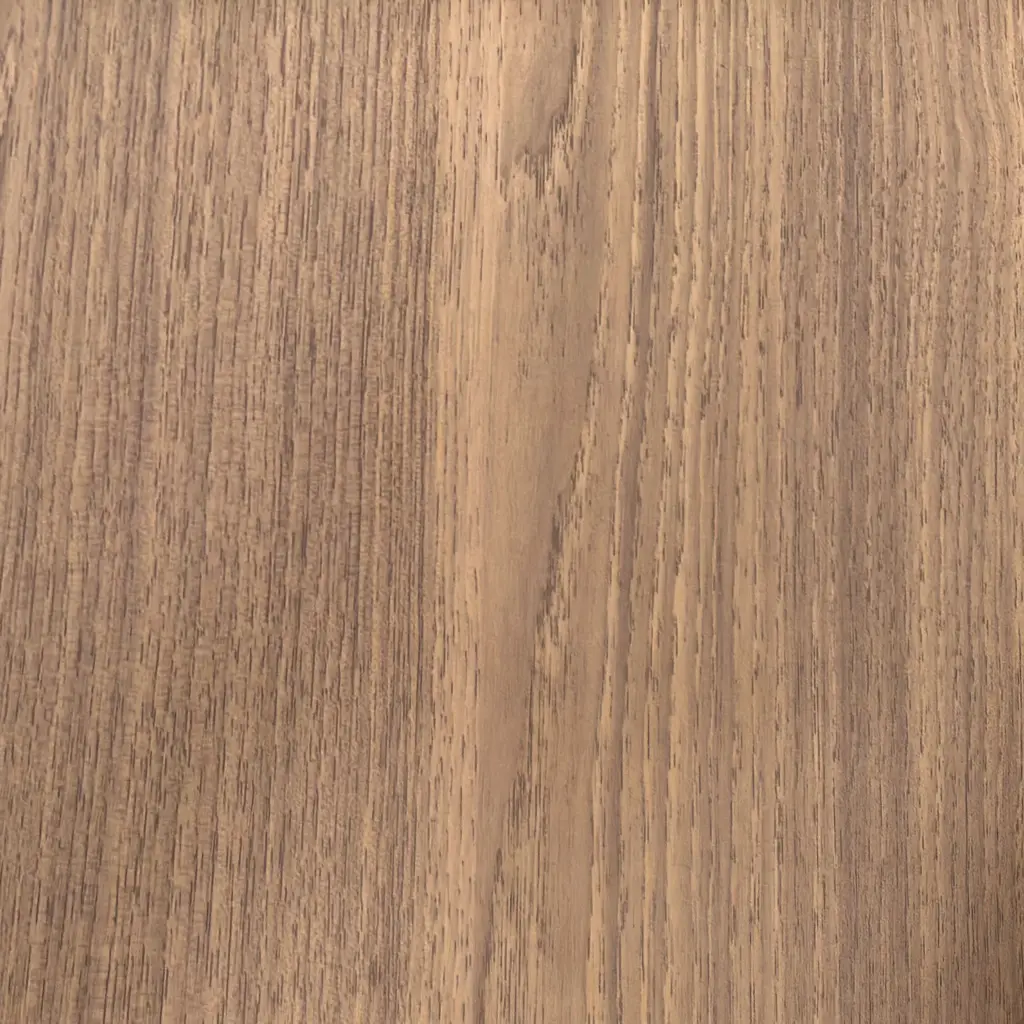
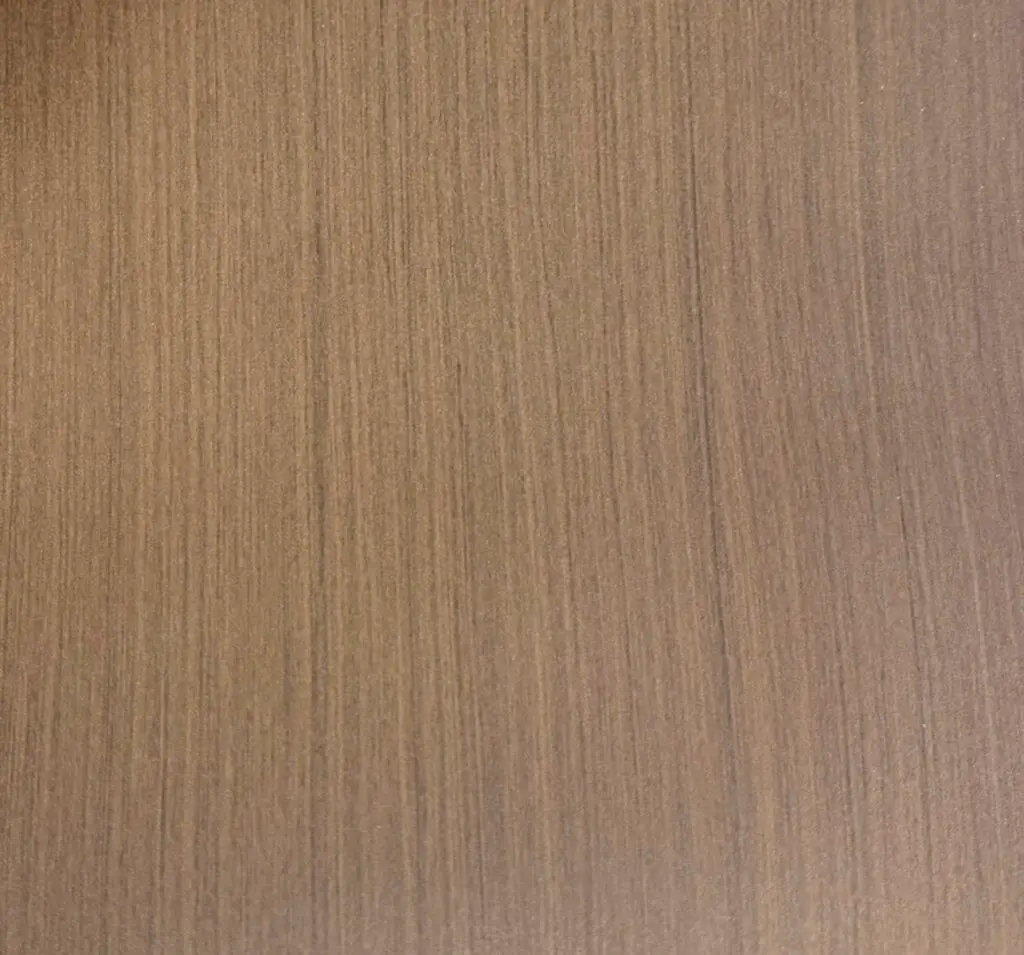
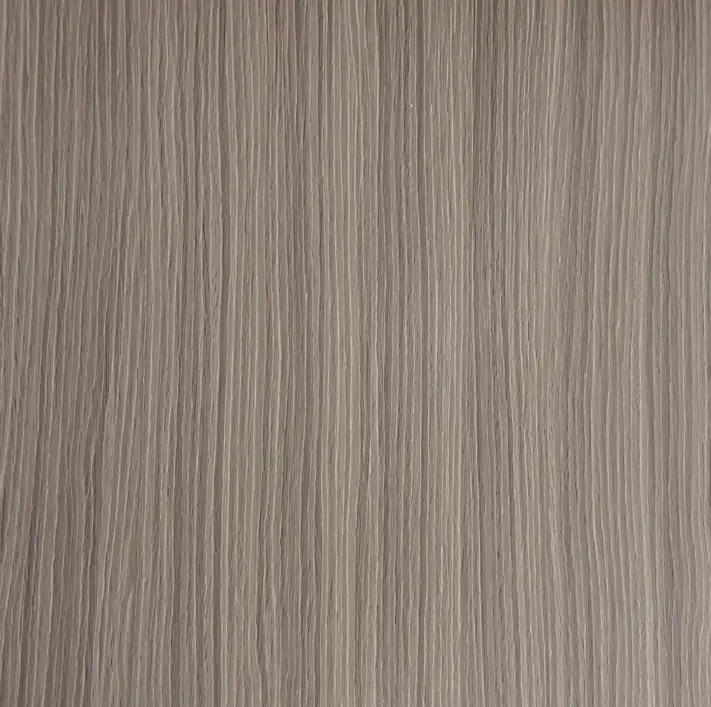
4. Decorative Film
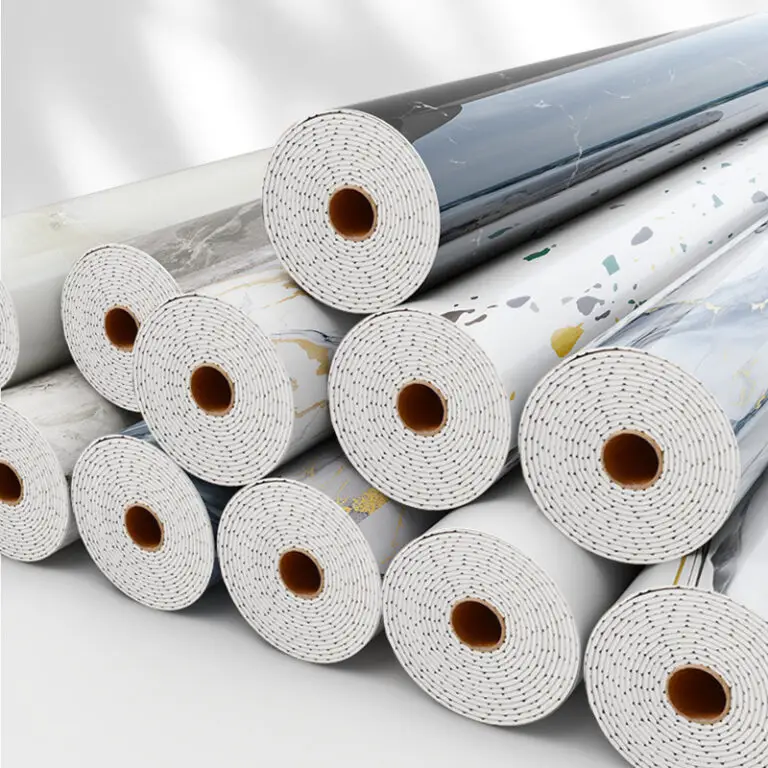
Includes: PVC film, PET film, PETG film
Advantages:
- Lightweight and flexible
- Can be applied directly over existing surfaces (refacing)
- Wide range of textures, including wood, stone, and fabric effects
- Durable and easy to maintain
Best for:
- Modern bedroom renovation projects
- Refacing applications without removing existing surfaces
Decorative film solutions are increasingly used in renovation projects due to their efficiency, consistency, and versatility.



5. Laminate
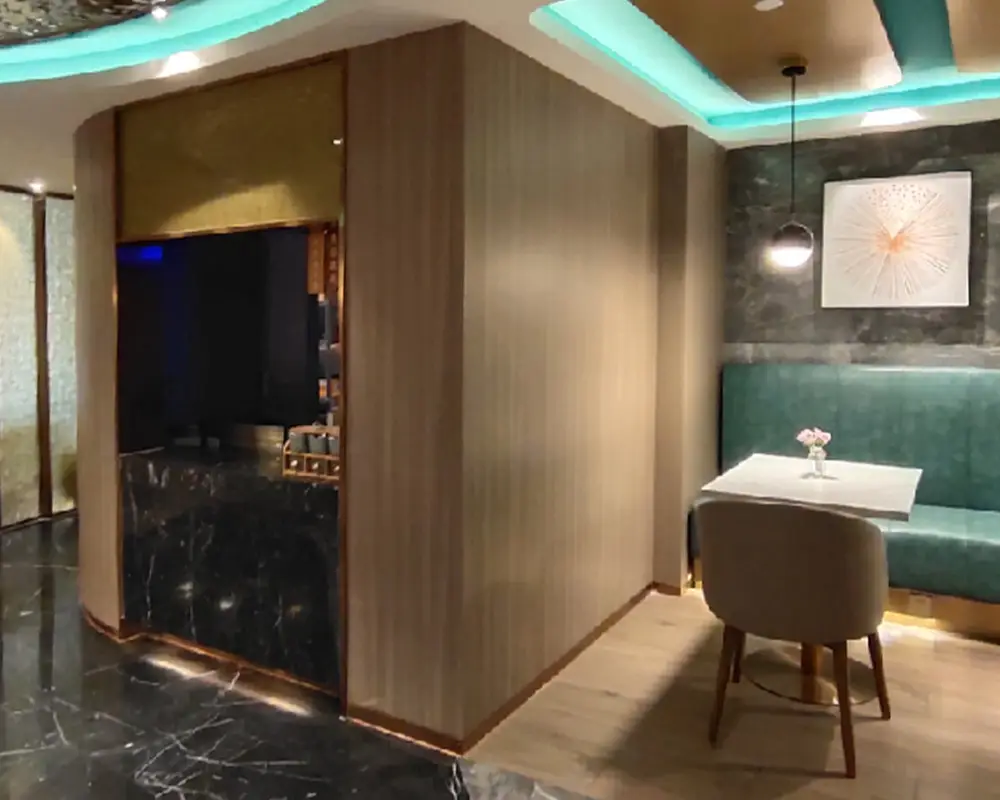
Advantages:
- Scratch-resistant and durable
- Easy to clean
- Long service life
Limitations:
- Less flexible in design compared to films
Comparison of Wall Materials
| Material | Durability | Cost | Maintenance | Eco-Friendliness | Flexibility |
|---|---|---|---|---|---|
| Paint | Low | Low | Medium | Medium | High |
| Wallpaper | Medium | Medium | Medium | Medium | High |
| Wall Panels | High | High | Low | Medium | Medium |
| PVC / PET Film | High | Medium | Low | High | High |
| Laminate | High | Medium | Low | Medium | Medium |
From this comparison, PVC film and PET film offer a balanced combination of durability, low maintenance, and design flexibility.
Key Factors When Choosing Wall Materials
When planning a bedroom renovation, consider the following:
1. Durability
- Resistance to wear and scratches
- Long-term performance
2. Eco-Friendliness
- Low VOC emissions
- Suitability for indoor living environments
3. Maintenance
- Ease of cleaning
- Resistance to stains and moisture
4. Cost Efficiency
- Initial material cost
- Long-term maintenance expenses
5. Design Flexibility
- Availability of colors and textures
- Compatibility with different interior styles
Best Material Choices for Different Needs
1. Budget-Friendly Renovation
Recommended:
- Paint
- Basic wallpaper
Suitable for projects with limited budgets, though with shorter lifespan expectations.
2. High-End Design
Recommended:
- Wall panels
- Veneer
- Laminate
Ideal for projects requiring premium aesthetics and durability.
3. Modern Renovation / Refacing Projects
Recommended:
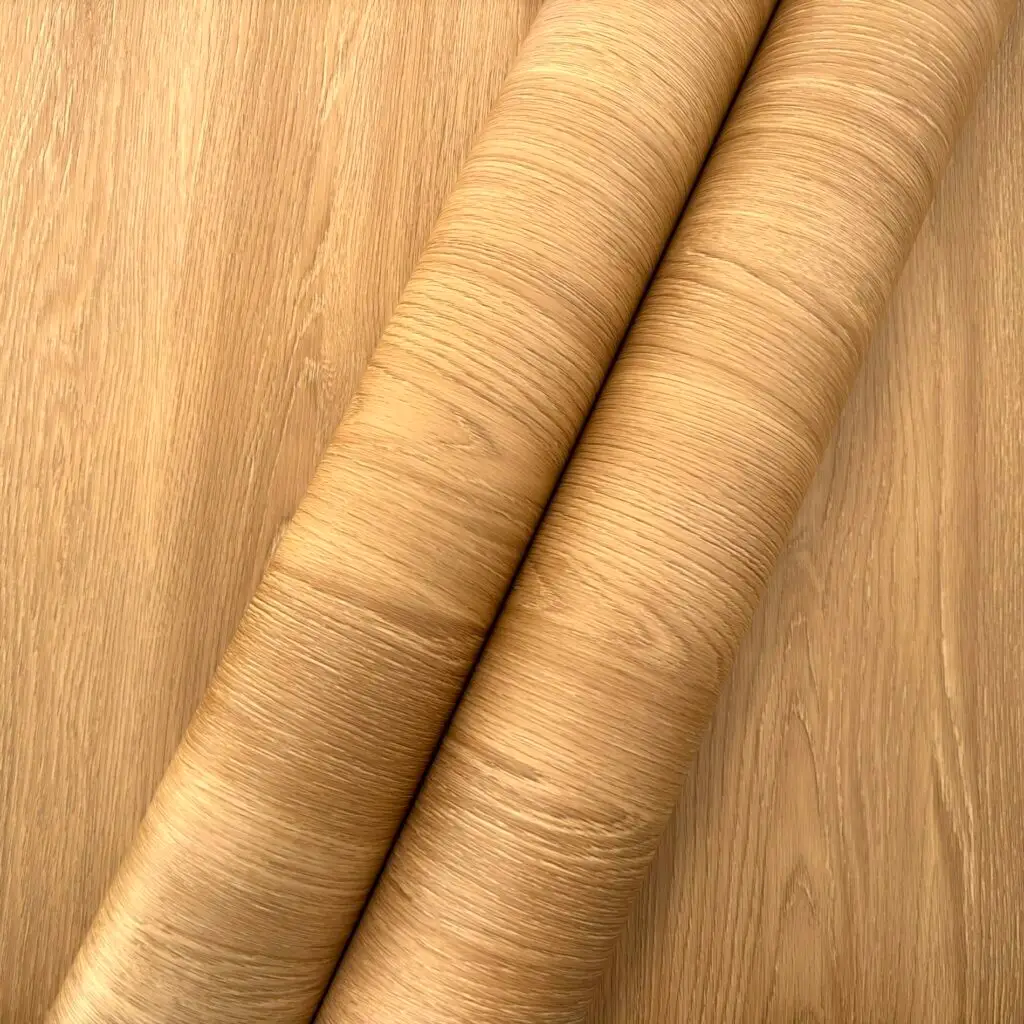
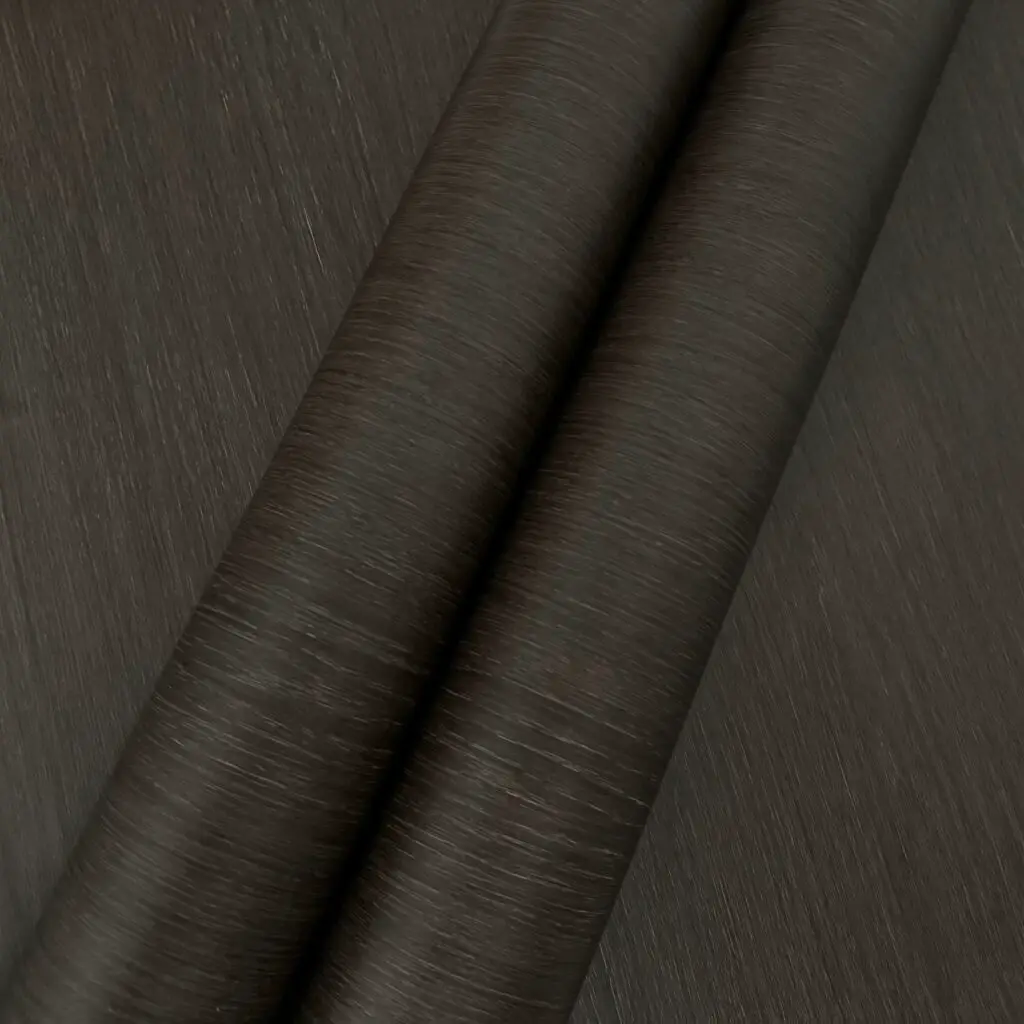
- PVC film / PET film
Advantages:
- Can be applied over existing surfaces
- Faster installation
- Consistent finish
These materials are widely used in renovation projects to improve efficiency while reducing demolition work.
4. Eco-Conscious Bedroom
Recommended:
- Low-emission materials
- High-quality PET film
Suitable for users prioritizing health and sustainability.
Common Mistakes to Avoid
Common issues in bedroom renovation include:
- Focusing only on appearance while ignoring material performance
- Choosing materials unsuitable for bedroom environments
- Overlooking durability and maintenance
- Overdesigning, leading to a cluttered or uncomfortable space
Avoiding these mistakes helps ensure better long-term results.
Conclusion
Wall materials are a critical factor in any bedroom renovation.
Each option offers different advantages in terms of durability, cost, environmental performance, and design flexibility. In modern renovation projects, materials such as PVC film and PET film are increasingly popular due to their efficiency, consistent quality, and ease of application.
By balancing performance, aesthetics, and budget, it is possible to create a bedroom space that is both comfortable and long-lasting. Upgrade your bedroom renovation with Lonmay’s PVC decorative films—contact Lonmay esther@lonmay.com.cn today for a customized solution.
FAQs
There is no single best option. Materials such as PVC film, PET film, or wall panels can be selected based on budget, design goals, and environmental requirements.
High-quality PVC film that meets environmental standards is suitable for indoor use.
Typically 5–10 years or longer, depending on material quality and usage conditions.
Wall panels and laminate are generally among the most durable options.
Yes, decorative films such as PVC or PET can be applied directly over existing surfaces.