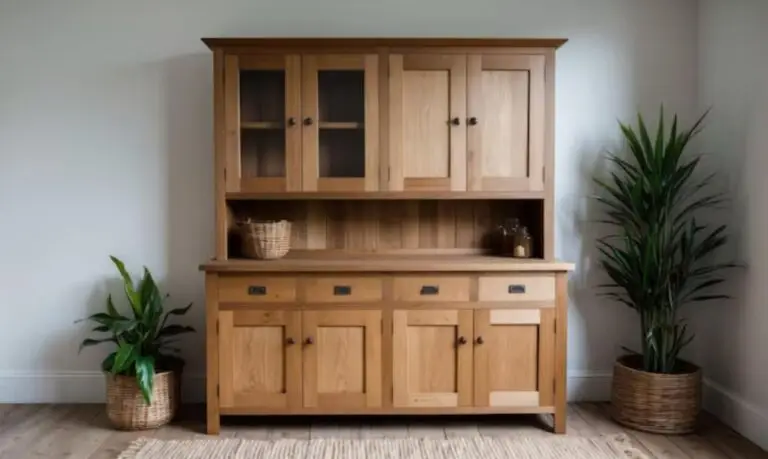
With the growing demand for renovation and modern interior solutions, interior design film has become an increasingly important material for surface finishing. Compared to traditional materials such as wood veneer, stone, or paint, it offers clear advantages in installation efficiency, cost control, and design flexibility.
Whether in residential or commercial environments, interior design film is widely used on walls, furniture, doors, and other surfaces. This article explores seven key applications to help you better understand its practical value.
What Is Interior Design Film?
1. Definition and Key Features
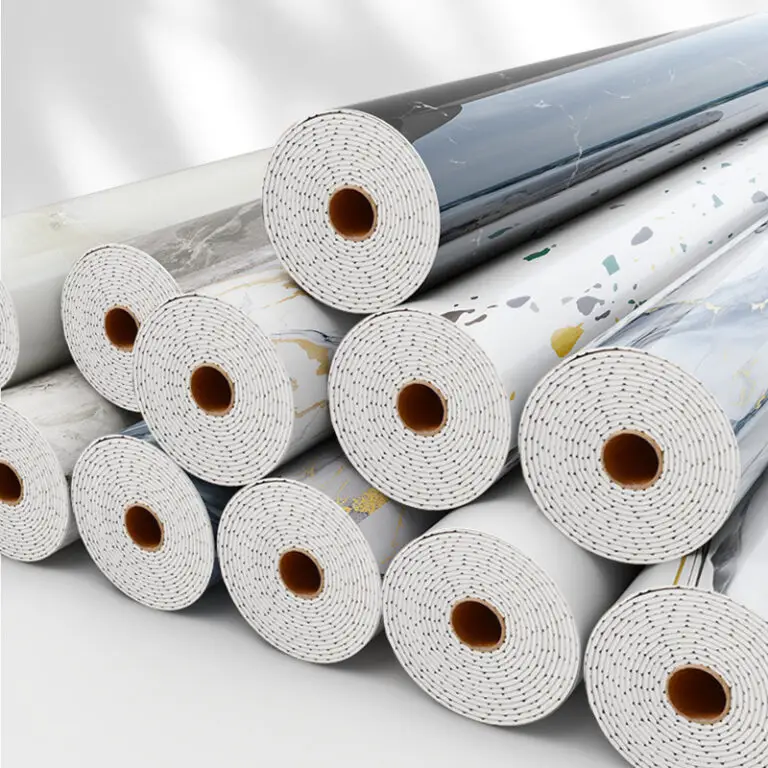
Interior design film is a surface finishing material used for interior applications. Common types include PVC film, PET film, and PETG film.
Key characteristics include:
- Can be applied over existing surfaces (refacing)
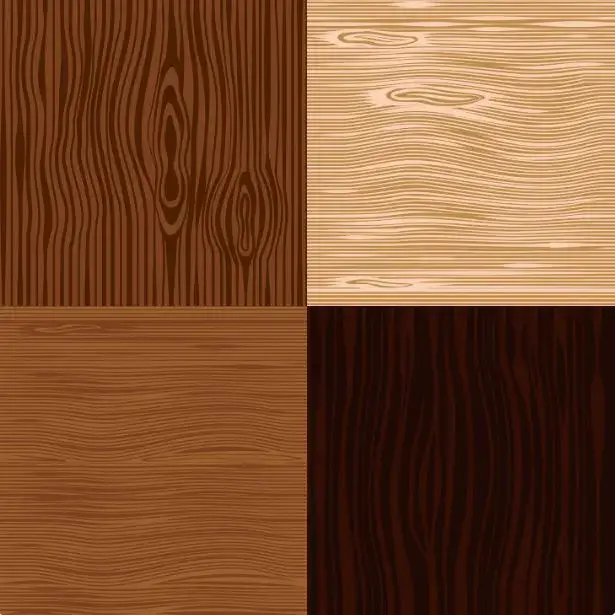
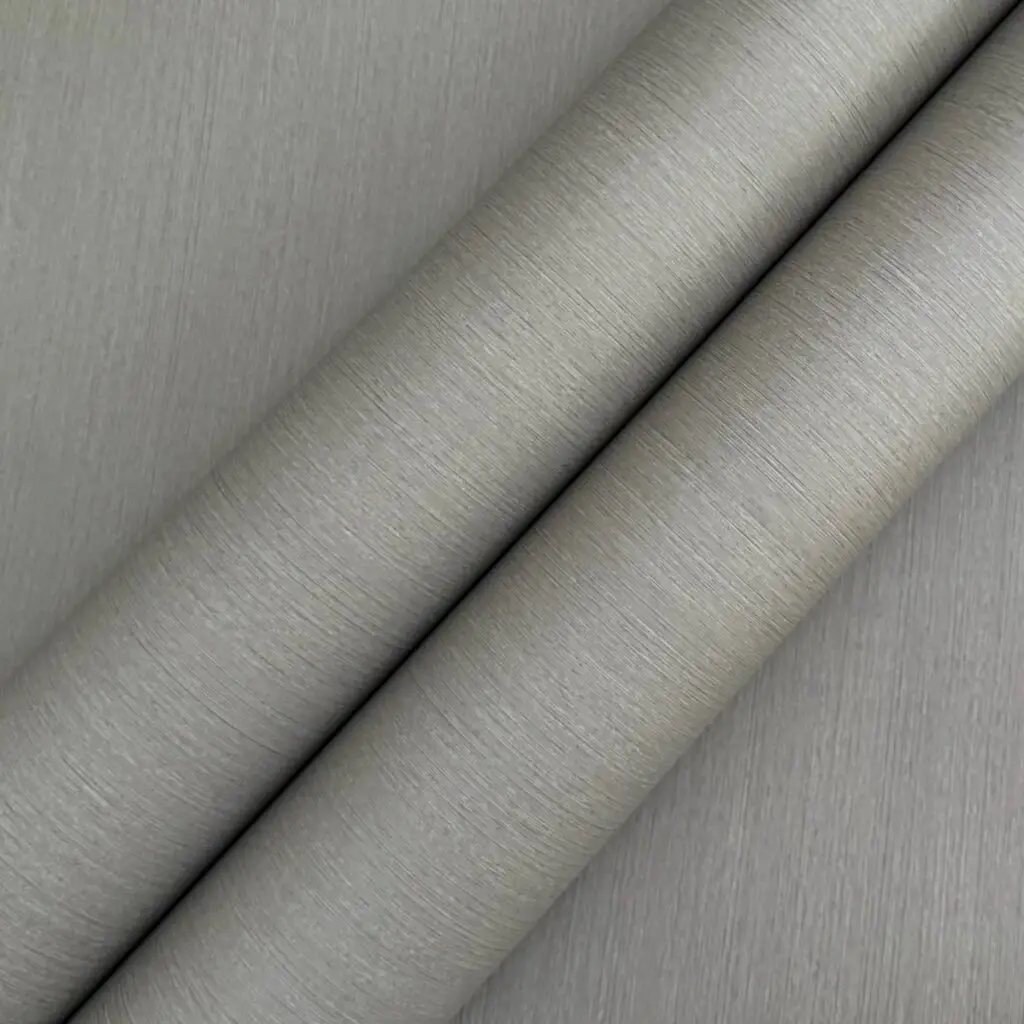
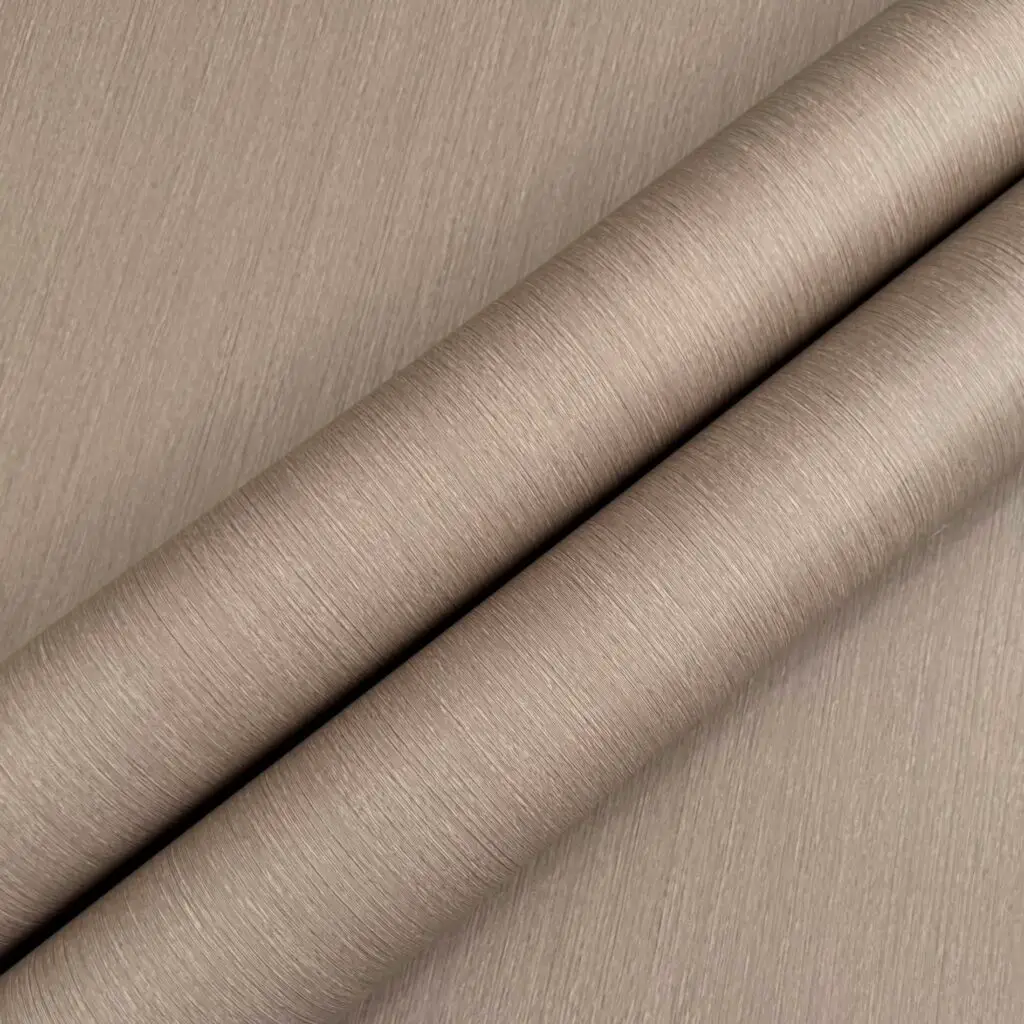
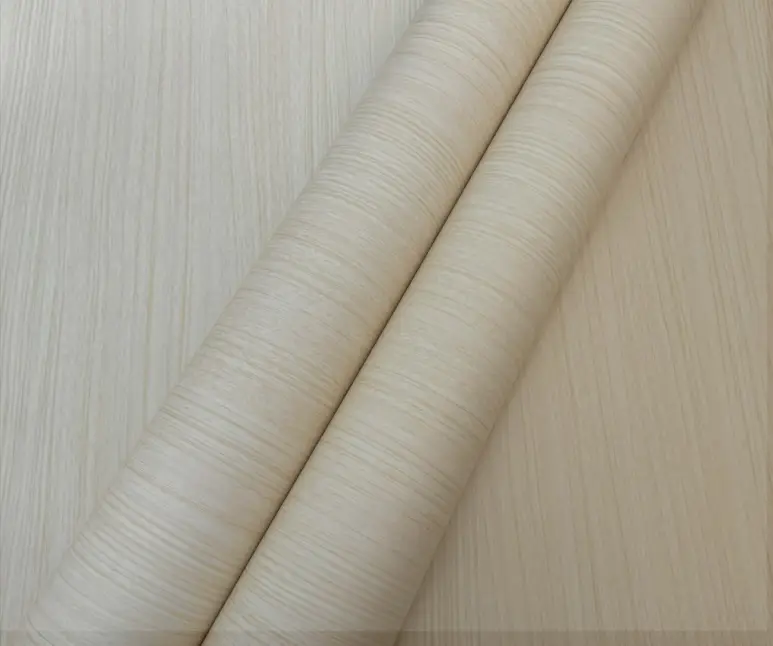
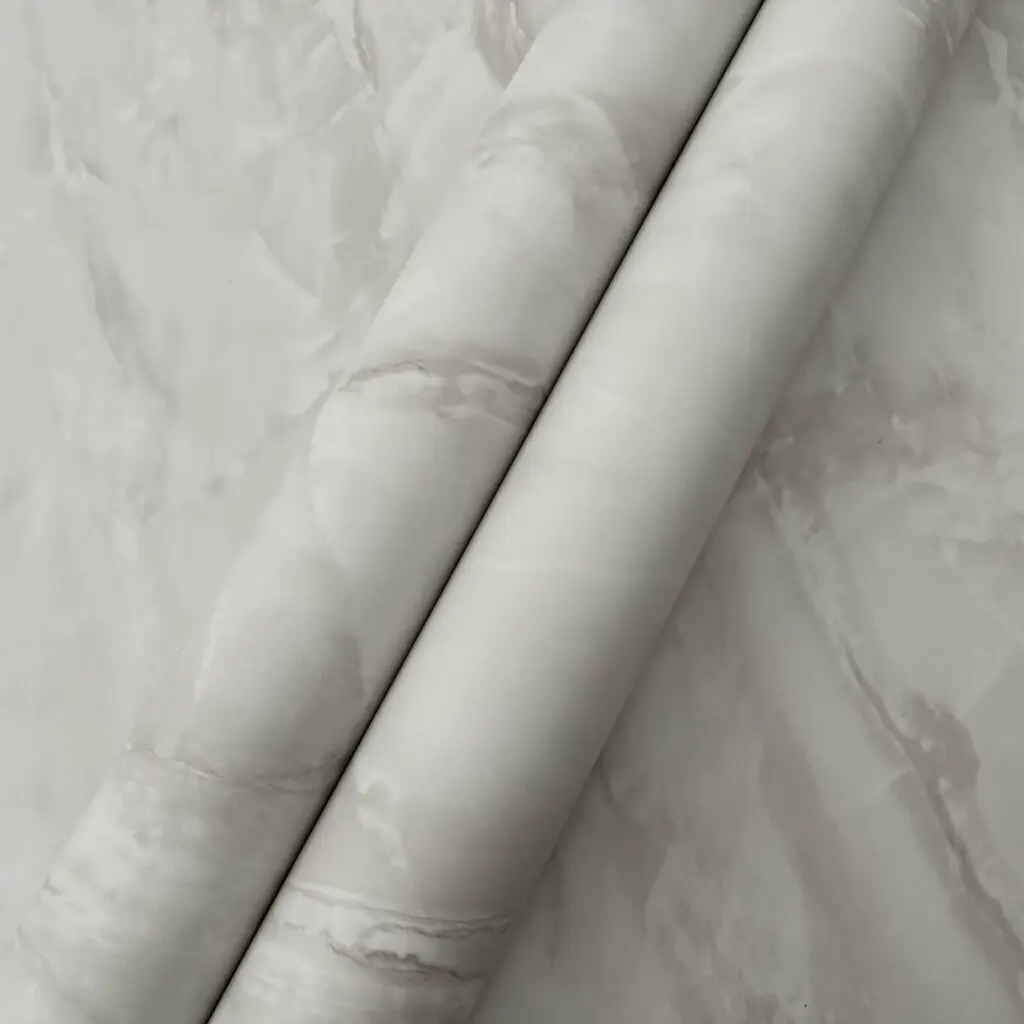
- Available in a wide range of textures, such as wood, stone, and fabric finishes
- Flexible and suitable for various substrates
2. Advantages Over Traditional Materials
Compared to conventional materials, interior design film offers several advantages:
- Higher installation efficiency with minimal demolition
- Better cost control by reducing labor and material waste
- Greater design flexibility with consistent finishes
These benefits make it a preferred solution in many renovation projects.
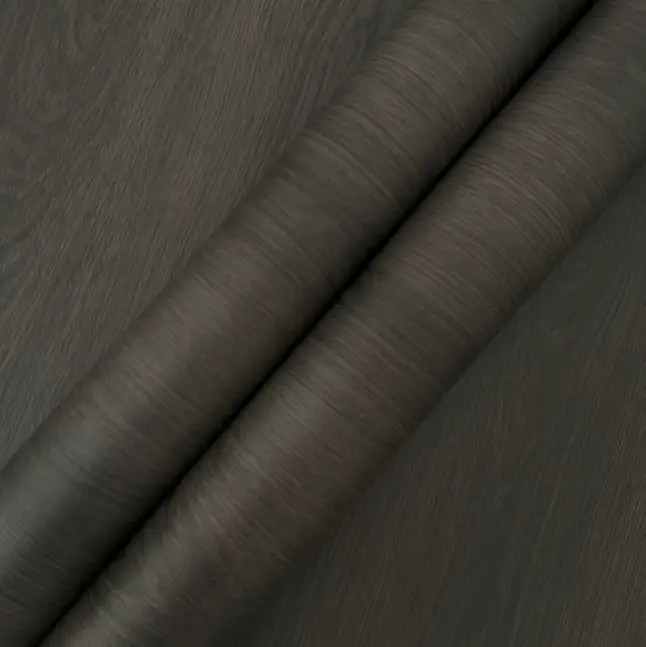
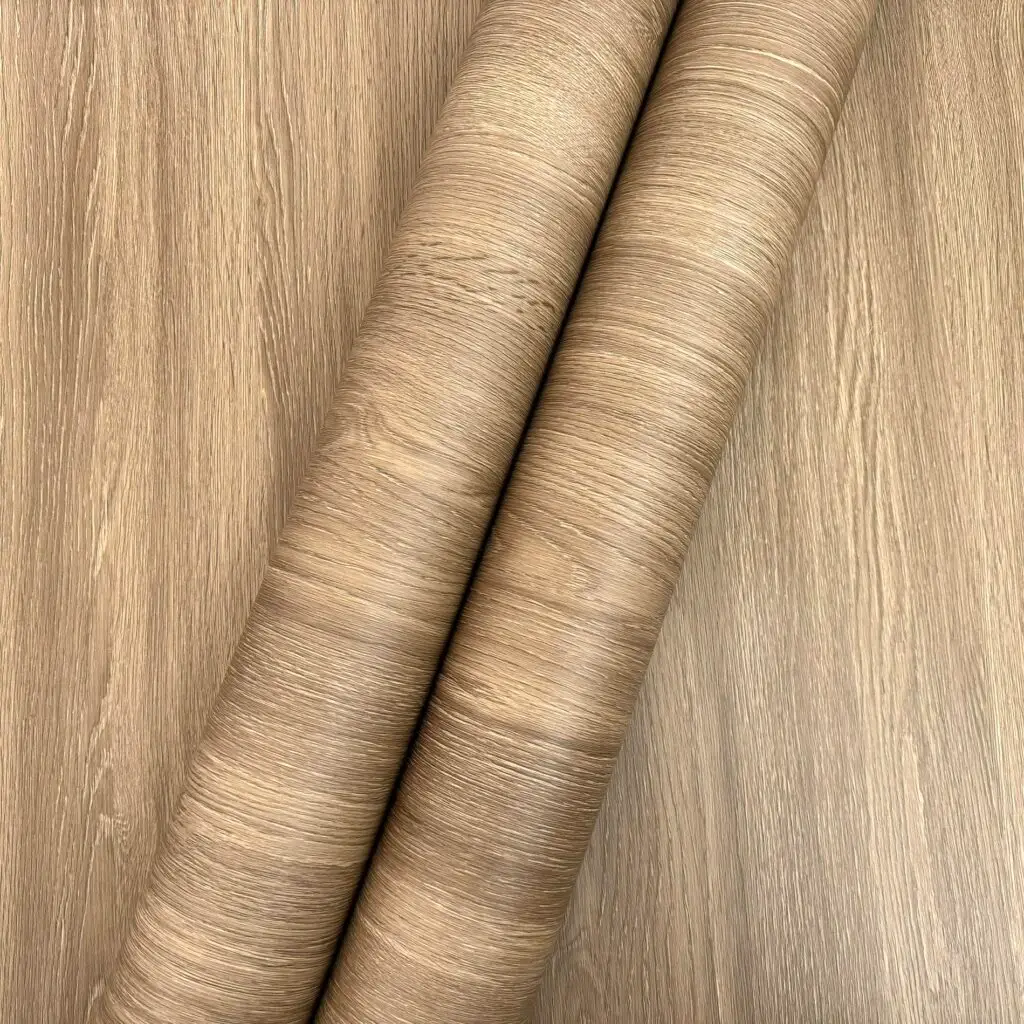
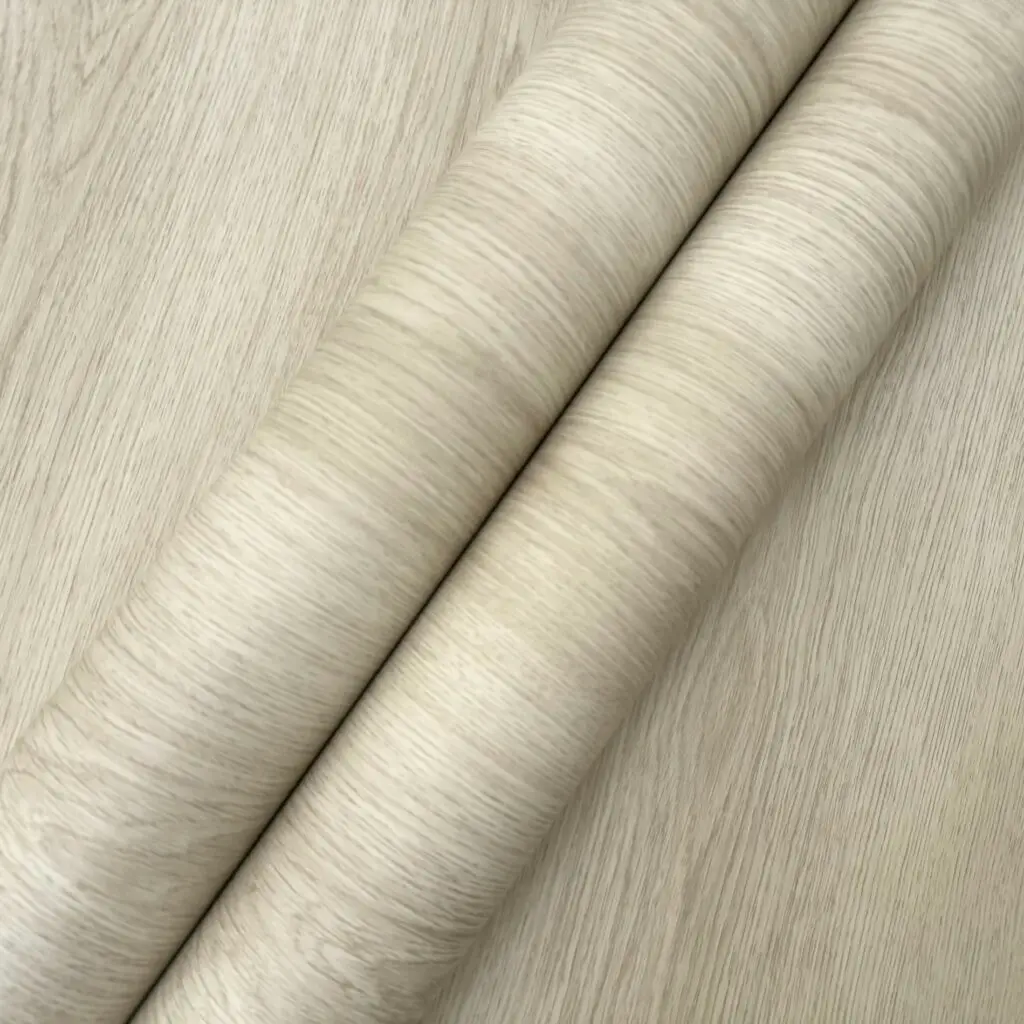
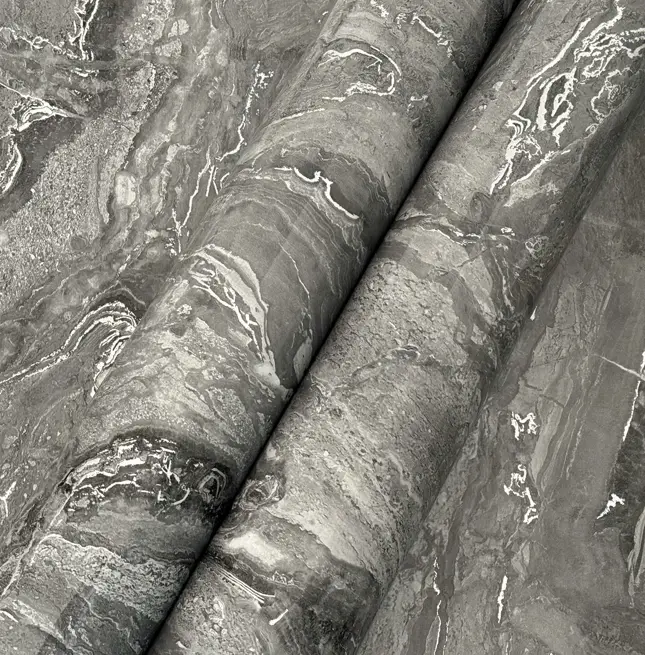
7 Modern Applications of Interior Design Film
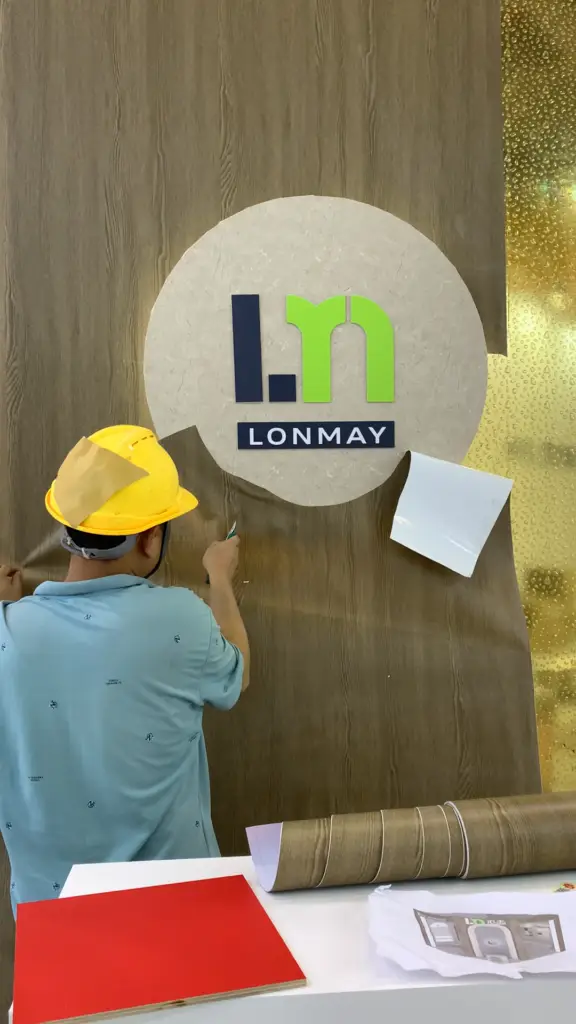
1. Wall Surface Renovation
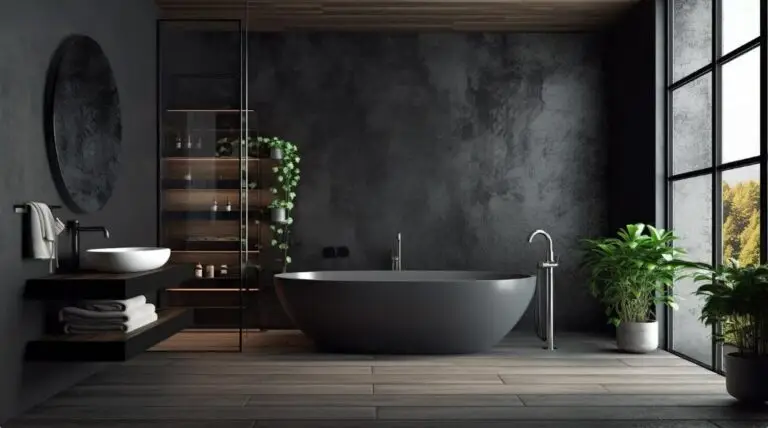
Wall renovation is one of the most common uses of interior design film, especially in refurbishment projects.
It can be applied directly over existing wall surfaces, offering:
- Shorter installation time
- Less noise and dust
- A consistent and uniform finish
This makes it suitable for homes, apartments, hotels, and office spaces.
2. Furniture Refacing
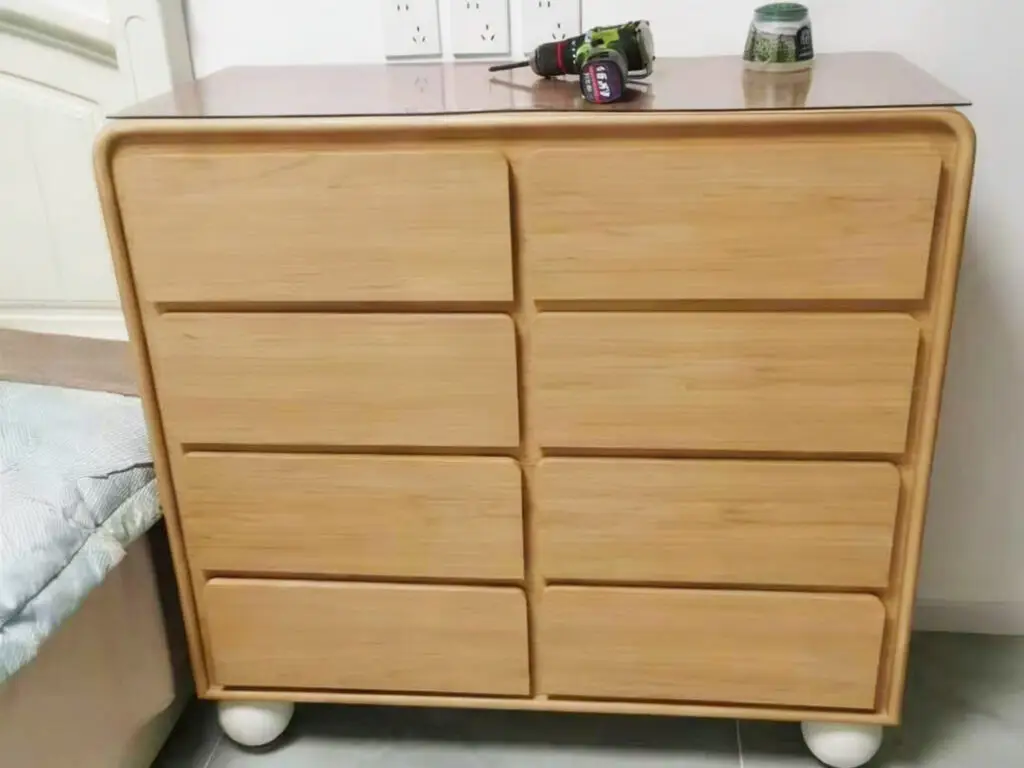
Interior design film is widely used for upgrading existing furniture such as cabinets, tables, and storage units.
Using PVC film or PET film allows:
- Extended furniture lifespan
- Reduced replacement costs
- Consistent design across the space
This approach is especially practical for budget-conscious renovation projects.
3. Cabinet and Wardrobe Finishes
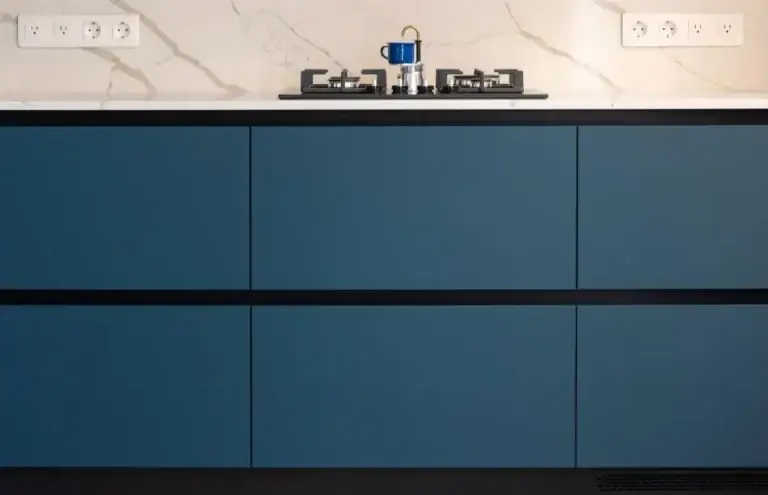
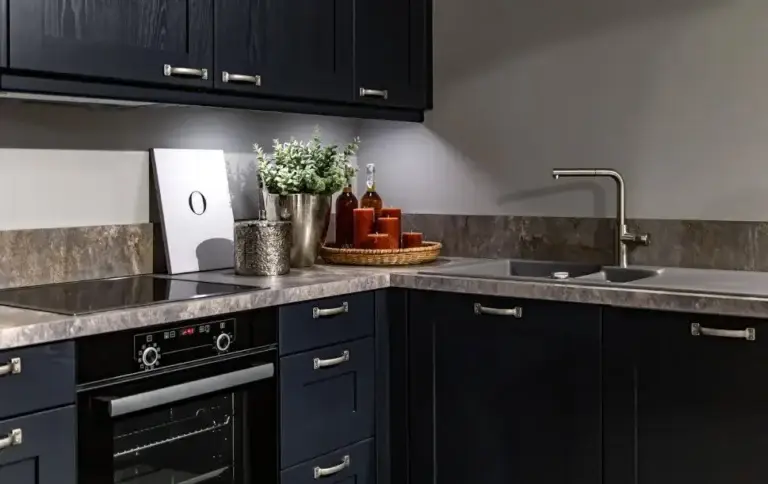
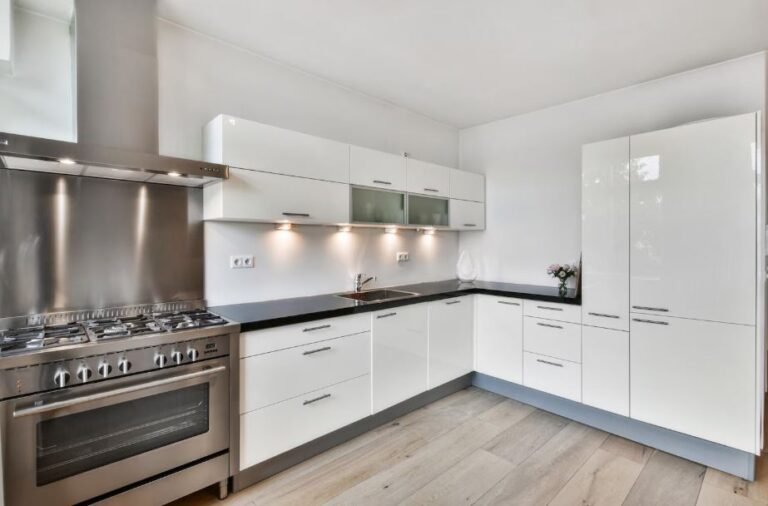
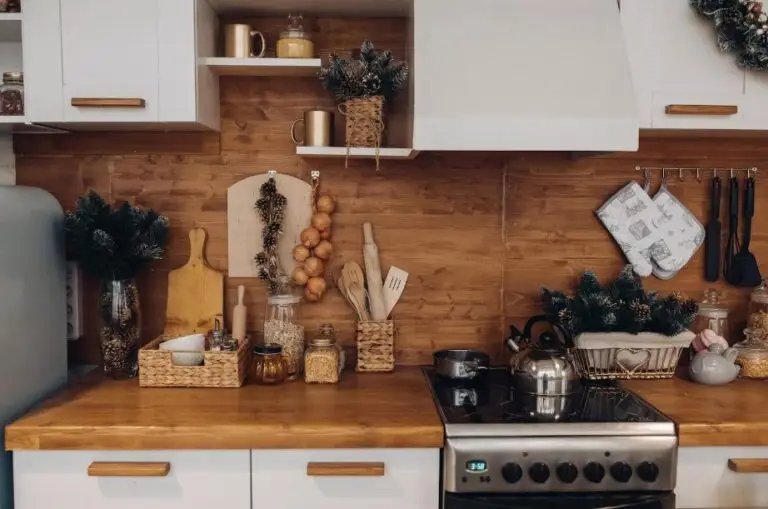
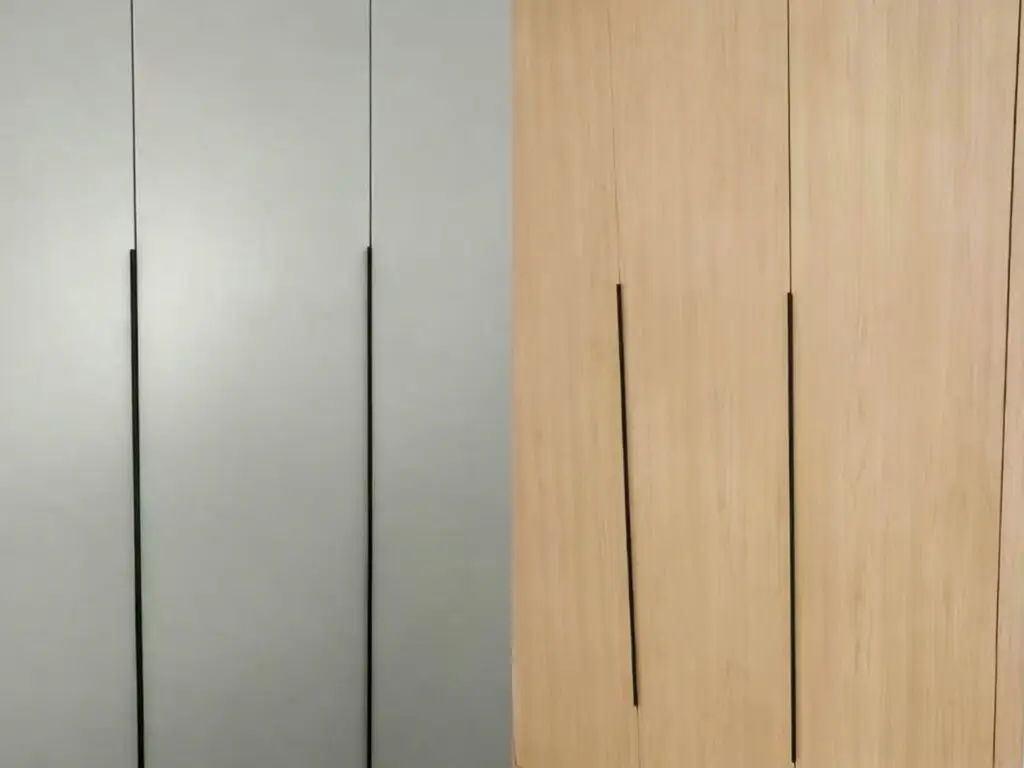
For kitchens and bedrooms, interior design film is commonly applied to cabinet doors and wardrobe surfaces.
Popular finishes include:
- Wood grain
- Matte or high-gloss surfaces
- Stone textures
Compared to traditional finishes, these materials offer:
- Scratch resistance
- Easy maintenance
- Stable long-term performance
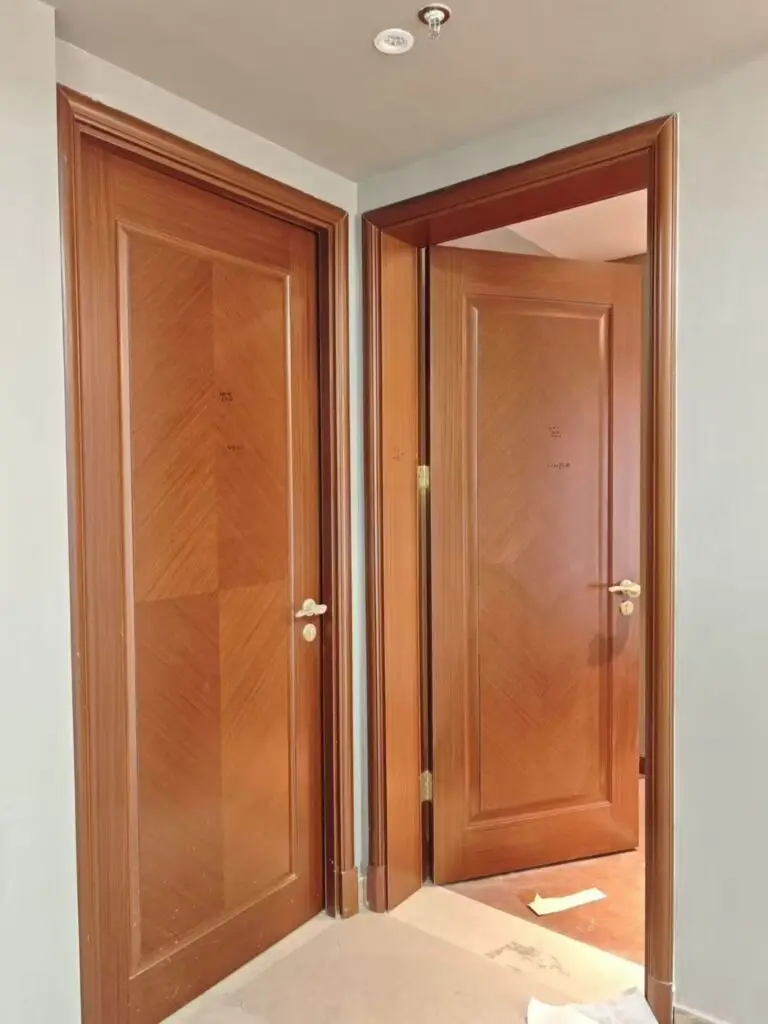
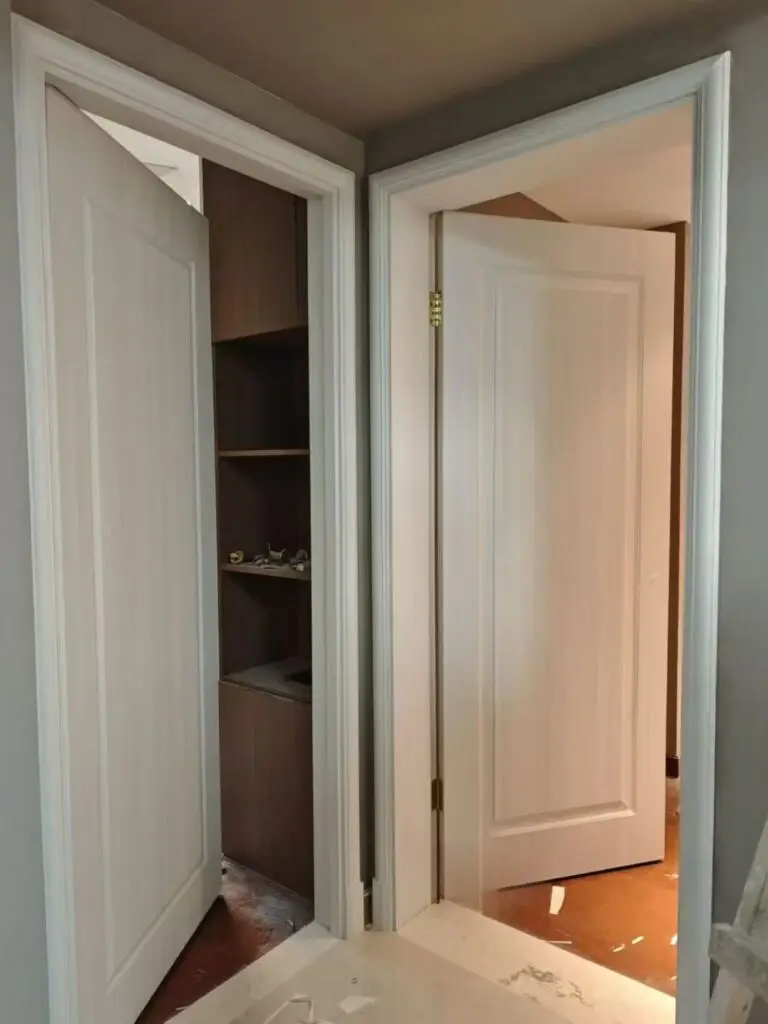
4. Door Surface Upgrades
Interior doors play a key role in connecting spaces. Applying decorative film to door surfaces can:
- Create a unified design language
- Enhance overall interior quality
- Reduce the need for full door replacement
This application is particularly common in hotels and residential renovations.
5. Commercial Space Renovation
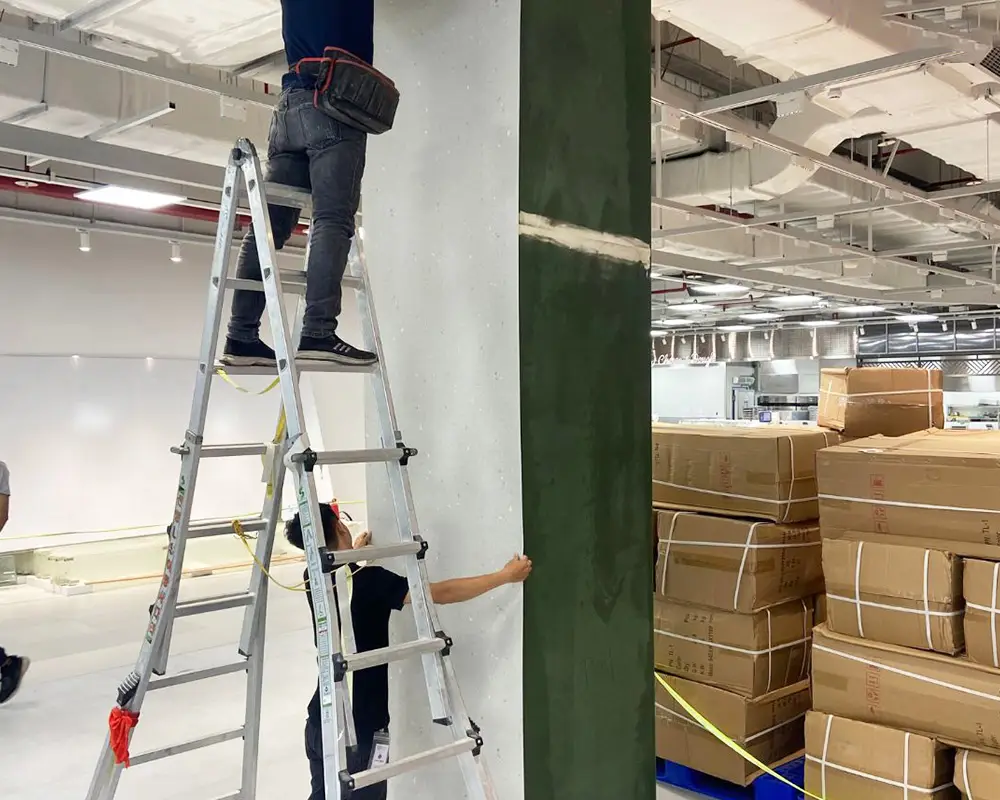
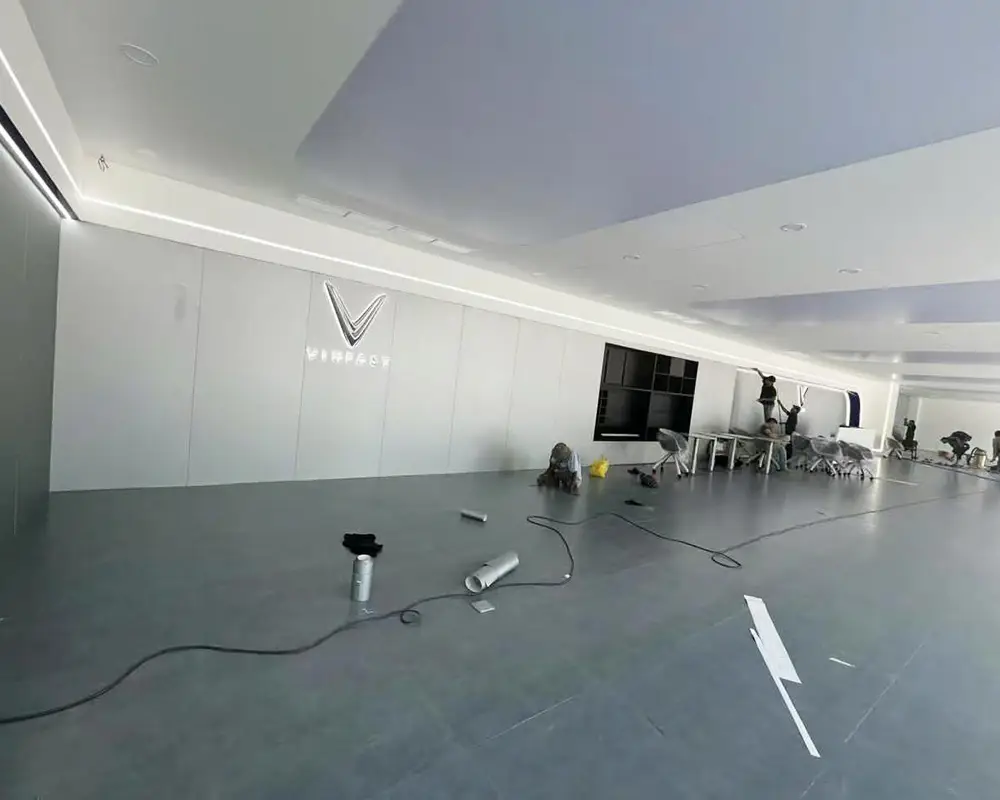
In retail stores, hotels, and office environments, time and cost efficiency are critical.
Using interior design film provides:
- Faster installation with minimal downtime
- Consistent brand visuals across spaces
- Lower renovation costs
As a result, it is widely adopted in commercial renovation projects.
6. Ceiling and Decorative Panels
Interior design film can also be used for ceilings and decorative elements, such as:
- Feature ceiling areas
- Accent walls
- Design focal points
Its variety of textures helps enhance depth and visual interest in interior spaces.
7. Custom Interior Applications
For designer-led or customized projects, interior design film offers a high level of flexibility:
- Custom colors and textures
- Unique surface effects
- Adaptability to different design concepts
This makes it a valuable material for personalized interior solutions.
Key Benefits of Interior Design Film
1. Cost Efficiency
- Reduces material and labor costs
- Minimizes demolition and waste
2. Time Efficiency
- Faster installation
- Shorter project timelines
3. Design Flexibility
- Wide range of colors and textures
- Easy to achieve consistent design themes
4. Sustainability
- Reduces construction waste
- Supports environmentally conscious renovation practices
Key Considerations Before Choosing Interior Design Film
When selecting interior film, consider the following:
1. Material Type
- PVC film, PET film, and PETG film each have different performance characteristics
- Choose based on application requirements
2. Surface Compatibility
- Ensure compatibility with substrates such as wood, metal, or existing wall surfaces
- Proper adhesion is critical
3. Durability Requirements
- High-traffic areas require more durable materials
4. Installation Method
- Professional installation ensures better results
- Helps prevent issues such as bubbling or peeling
Common Mistakes to Avoid
Common issues when using interior film include:
- Applying film without assessing the substrate condition
- Choosing materials that do not match the application environment
- Ignoring environmental performance and durability
- Using low-quality materials that result in inconsistent finishes
Avoiding these mistakes can significantly improve project outcomes.
Conclusion
As an efficient and versatile surface solution, interior design film is widely used in both residential and commercial renovations.
From walls and furniture to doors and decorative elements, it offers a practical way to achieve high-quality finishes while improving efficiency and controlling costs.
By selecting the right material and applying it appropriately, it is possible to achieve consistent, durable, and visually appealing results.
Looking for reliable interior film solutions? Contact Lonmay esther@lonmay.com.cn today for high-quality PVC and PET films tailored to your project.
FAQs
It is commonly used for decorating and upgrading surfaces such as walls, furniture, and doors.
High-quality materials offer good durability and long service life.
Yes, it is suitable for refacing applications.
Common options include PVC film, PET film, and PETG film.
Yes, it is especially suitable for projects that require efficiency and cost control.