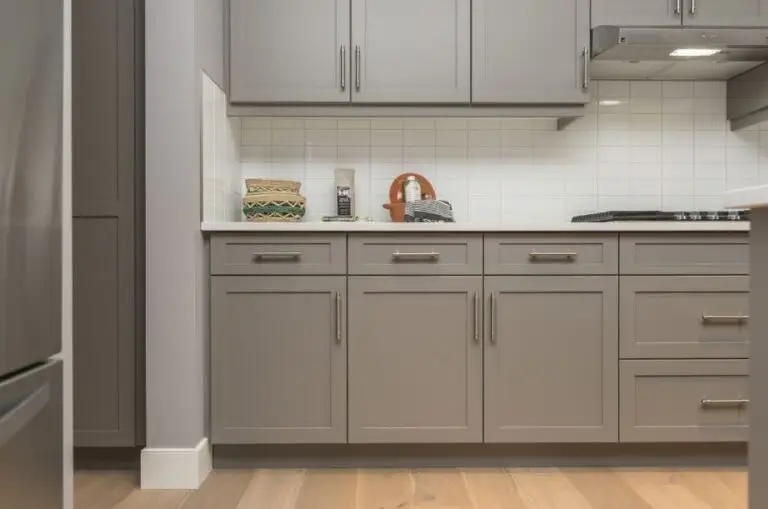
What Are Vinyl Wrapped Kitchen Doors?
Vinyl wrapped kitchen doors are cabinet or cupboard doors that are covered with a decorative adhesive film, usually made from PVC or similar polymer materials.
Instead of replacing the entire door, a vinyl film is applied to the surface to change its appearance and protect the underlying material.
These doors are commonly used in:
- Kitchen renovation projects
- Rental property upgrades
- Budget-friendly interior redesign
- Commercial refurbishment projects
The goal is simple:
Achieve a new kitchen look without full replacement.
Are Vinyl Wrapped Kitchen Doors Any Good?
The short answer is: yes, but it depends on material quality and installation standards.
Vinyl wrapped kitchen doors can perform very well in real-world environments when:
- High-quality decorative film is used
- Proper surface preparation is done
- Installation is carried out correctly
However, performance can vary significantly depending on:
- Material grade
- Heat and moisture exposure
- Daily usage intensity
This is why some users report excellent durability, while others experience peeling or bubbling.
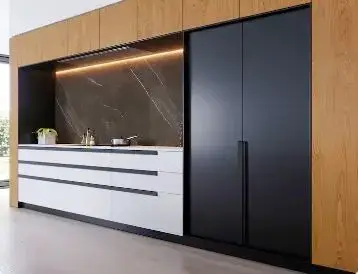
Why Vinyl Wrapped Kitchen Doors Are So Popular
Vinyl wrapped doors have become widely used in both residential and commercial interiors because they offer a balance between cost, design, and convenience.
1. Cost-Effective Kitchen Upgrade
Replacing kitchen doors or cabinets can be expensive and time-consuming.
Vinyl wrapping provides:
- Lower material cost
- No demolition required
- Faster renovation process
2. Wide Design Flexibility
Modern vinyl films can replicate:
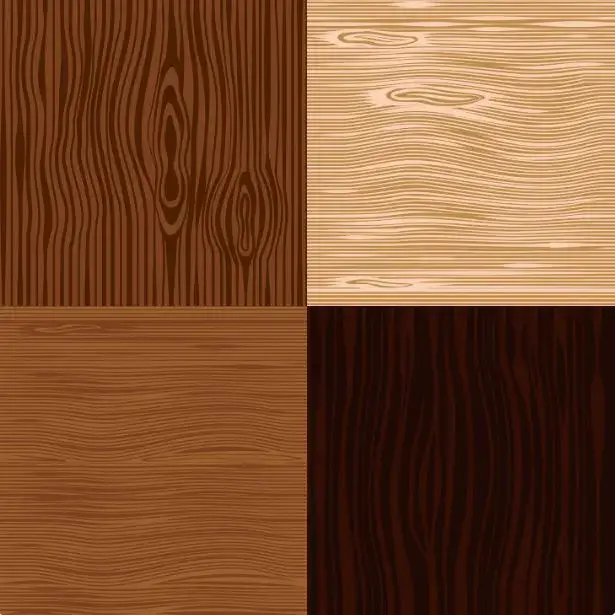
- Natural wood grain
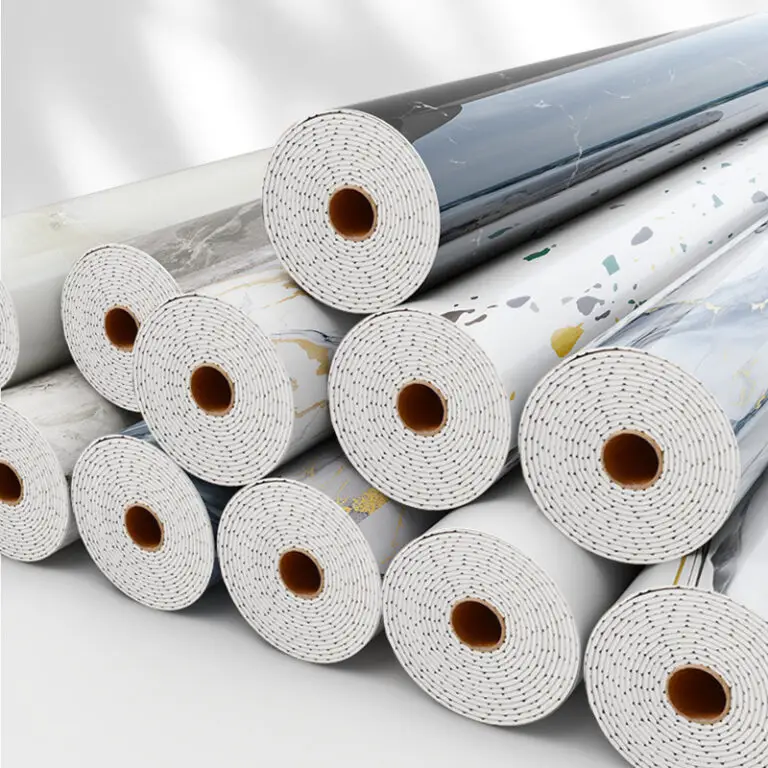
- Marble textures
- Matte or glossy finishes
- Solid color surfaces
This allows homeowners and designers to match different interior styles easily.
3. Quick Installation Process
Compared to full replacement:
- No structural changes needed
- Minimal disruption
- Faster project turnaround
4. Suitable for Multiple Applications
Vinyl wrapped doors are used in:
- Kitchens
- Wardrobes
- Furniture panels
- Commercial interiors
Pros and Cons of Vinyl Wrapped Kitchen Doors
Understanding both advantages and limitations is essential before choosing vinyl wrapping.
Advantages
✔ Affordable renovation solution
Vinyl wrapping significantly reduces renovation costs compared to full door replacement.
✔ Fast transformation
Installation can be completed quickly with minimal disruption.
✔ Design variety
A wide range of finishes allows for modern and customized interior styles.
✔ Non-permanent solution
Vinyl can be replaced or updated without structural damage.
Limitations
❌ Durability depends on material quality
Low-grade films may peel, fade, or shrink over time.
❌ Sensitive to heat and moisture
Kitchen environments require materials with good stability.
❌ Installation quality matters
Poor application can lead to:
- Air bubbles
- Edge lifting
- Uneven surfaces
Common Problems with Vinyl Wrapped Kitchen Doors
Even though vinyl wrapping is widely used, certain issues can occur over time.
1. Peeling at the Edges
This is one of the most common problems.
It usually happens due to:
- Weak adhesive
- Poor surface preparation
- High humidity or heat exposure
2. Bubbling or Air Traps
Air bubbles may form when:
- Film is applied too quickly
- Surface is not cleaned properly
- Installation pressure is uneven
3. Surface Wear or Scratching
Lower-grade films may show:
- Scratches from daily use
- Loss of surface gloss
- Color fading over time
4. Heat-Related Deformation
Areas near ovens or stovetops may experience:
- Softening of adhesive
- Edge lifting
- Reduced lifespan
These issues are not universal, but they highlight why material quality is critical.
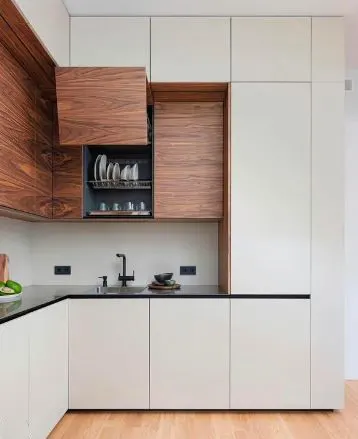
Vinyl Wrapped Kitchen Doors vs Painted and Replacement Doors
When planning a kitchen renovation, homeowners usually compare three options:
- Vinyl wrapping
- Painting
- Full door replacement
Each method has different advantages depending on budget, durability expectations, and renovation goals.
Vinyl Wrapped Kitchen Doors
Advantages
- Lower renovation cost
- Faster installation
- Wide range of finishes
- Minimal disruption during renovation
Best For
- Budget-conscious upgrades
- Rental properties
- Modern kitchen refresh projects
Limitations
- Depends heavily on material quality
- Lower heat resistance than solid materials
Painted Kitchen Doors
Advantages
- Low upfront cost
- Easy color customization
Limitations
- Brush marks may appear
- Longer drying and curing time
- Surface durability may be lower
Full Door Replacement
Advantages
- Completely new structure
- Highest long-term durability
Limitations
- Expensive
- Time-consuming
- Requires demolition and installation work
Key Takeaway
Vinyl wrapping is often the best balance between:
- Cost
- Design flexibility
- Installation speed
Especially for projects where structural replacement is unnecessary.
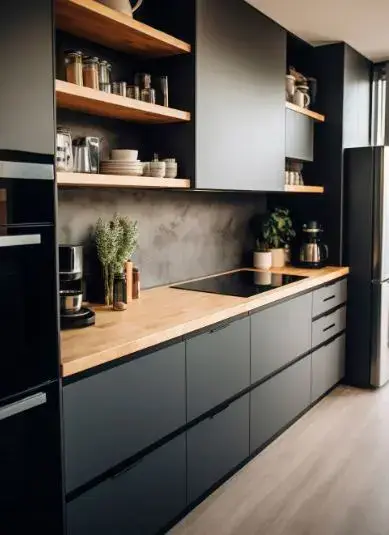
Best Materials for Kitchen Door Wrapping (PVC vs PET vs Film Systems)
Not all vinyl wrap materials perform the same in kitchen environments.
Understanding the material structure is essential for choosing long-lasting solutions.
1. PVC Decorative Film
PVC is the most commonly used material for kitchen wrapping applications.
Advantages
- Flexible and easy to apply
- Excellent design variety
- Cost-effective production
Best Applications
- Kitchen cupboard doors
- Furniture panels
- Residential interiors
Limitations
- Moderate heat resistance
- Lower scratch resistance compared to PET
2. PET Decorative Film
PET film is considered a higher-performance decorative material.
Advantages
- Better dimensional stability
- Higher scratch resistance
- Improved environmental performance
Best Applications
- Premium kitchens
- Commercial interiors
- High-contact surfaces
3. Architectural Film Systems
Architectural films are professional-grade decorative materials designed for interior renovation projects.
Characteristics
- Multi-layer engineered structure
- Advanced adhesive systems
- Enhanced durability and surface protection
Common Applications
- Hotels
- Commercial buildings
- Restaurants
- Large-scale renovation projects
Material Insight
The durability of vinyl wrapped kitchen doors depends not only on appearance but also on:
- Film thickness
- Adhesive quality
- Surface coating technology
- Stability under heat and moisture
This is why professional-grade decorative films perform significantly better in real kitchens.
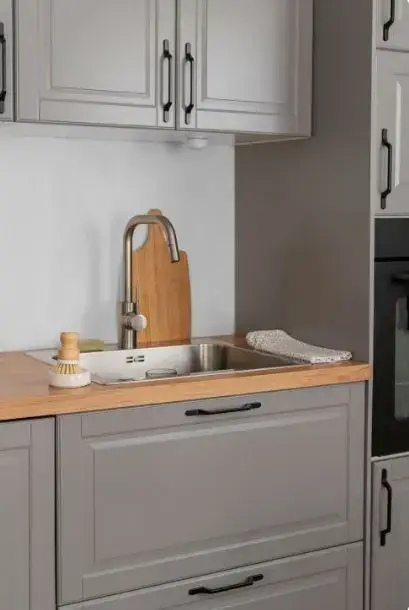
Where Vinyl Wrapped Doors Work Best (and Where They Don’t)
Vinyl wrapping is versatile, but it is not ideal for every environment.
Best Use Cases
Residential Kitchens
One of the most common applications.
Benefits include:
- Affordable renovation
- Fast visual upgrade
- Large design selection
Rental Properties
Vinyl wrapping allows landlords to refresh kitchens without major renovation costs.
Furniture and Wardrobes
Decorative films are widely used on:
- Wardrobe doors
- Furniture panels
- Interior decorative surfaces
Hotels and Commercial Interiors
Architectural films are often used for:
- Hospitality projects
- Retail spaces
- Commercial renovations
Where Vinyl Wrap May Not Be Ideal
Extremely High-Heat Areas
Direct exposure to:
- Open flames
- Industrial cooking heat
- High-temperature appliances
may reduce lifespan.
Severely Damaged Surfaces
Vinyl wrap cannot fully hide:
- Structural damage
- Deep cracks
- Surface instability
Proper base surfaces are essential.
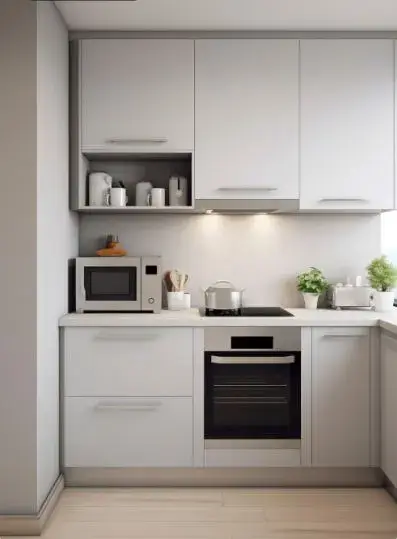
Why Material Quality Matters More Than Installation
Many people assume installation is the most important factor in performance.
In reality:
Material quality often determines long-term durability more than installation itself.
Why Cheap Vinyl Often Fails
Low-quality materials may use:
- Weak adhesive systems
- Thin film structures
- Low-grade surface coatings
This can lead to:
- Peeling
- Shrinkage
- Fading
- Bubbling
Engineering Factors Behind Professional Decorative Film
Professional-grade films are engineered with:
- Stable multi-layer structures
- Strong pressure-sensitive adhesives
- Scratch-resistant coatings
- Surface protection systems
Some advanced materials also include:
- Fire-resistant performance
- Antimicrobial surface technology
- Eco-friendly ROHS-compliant composition
Manufacturing Consistency Matters
Reliable manufacturers with automated production systems can ensure:
- Stable film thickness
- Consistent adhesive quality
- Better long-term project performance
This is especially important for commercial and large-scale interior projects.
Conclusion
So, are vinyl wrapped kitchen doors any good?
Yes — when high-quality materials and proper installation methods are used.
Vinyl wrapping offers a practical solution for:
- Affordable kitchen renovation
- Fast interior upgrades
- Flexible design customization
However, performance depends heavily on:
- Material engineering
- Surface preparation
- Environmental conditions
About LONMAY Decorative Films
LONMAY specializes in professional PVC decorative films for:
- Kitchen cabinets and cupboard doors
- Furniture and wardrobe surfaces
- Interior wall decoration
- Glass and window applications
With:
- 5,000+ design options
- 8,000+ roller patterns
- Realistic wood grain and marble finishes
LONMAY materials are designed for both residential and commercial environments.
Looking for durable and realistic kitchen wrap materials? Contact LONMAY esther@lonmay.com.cn to explore professional decorative film solutions for kitchen doors, cabinets, furniture, and interior surfaces.
Key Advantages
- Eco-friendly and non-toxic materials (ROHS compliant)
- Fire-resistant options (A2 grade available)
- Antimicrobial surface performance
- Strong customization capability
- Stable automated manufacturing quality
Final Insight
For long-lasting results, choosing the right decorative film is just as important as choosing the right design.
Professional-grade materials help ensure better durability, appearance, and long-term interior performance.