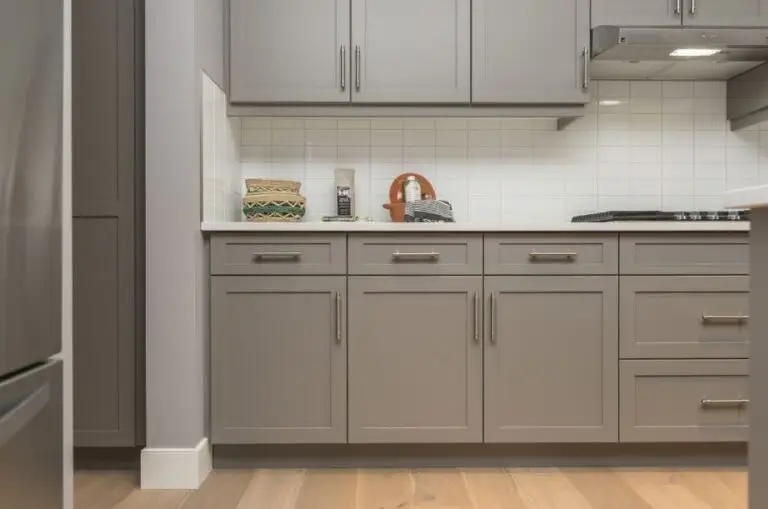
Wood grain patterns are the natural or recreated visual markings formed by the arrangement of wood fibers. They influence not only how wood looks but also the overall style, character, and perceived quality of furniture, cabinets, doors, and interior spaces.
Whether you’re selecting solid wood furniture, designing custom cabinetry, or choosing PVC decorative films for interior applications, understanding different wood grain patterns will help you make better design decisions.
In this guide, you’ll learn:
- What a wood grain pattern is
- The most common wood grain types and their characteristics
- How wood grain affects interior design
- The differences between natural wood and decorative wood grain films
- How to choose the right wood grain pattern for your project
What Is a Wood Grain Pattern?
A wood grain pattern refers to the visible arrangement of fibers, growth rings, and natural markings on the surface of wood. These patterns develop as a tree grows and give every species its distinctive appearance.
Although people often use several related terms interchangeably, they have different meanings.
Wood Grain
Wood grain describes the direction and arrangement of wood fibers. It determines the overall pattern you see on the surface.
Wood Texture
Wood texture refers to how coarse or fine the wood feels. It relates to pore size, fiber density, and surface characteristics rather than the visual pattern itself.
Wood Figure
Wood figure describes unique decorative effects created by irregular grain growth, such as curly, bird’s-eye, or burl patterns.
Wood Finish
A wood finish is the protective or decorative coating applied after manufacturing. It affects color, gloss, and durability but does not change the underlying grain pattern.
Understanding these differences helps designers and manufacturers choose materials that achieve both the desired appearance and long-term performance.
Why Wood Grain Patterns Matter in Interior Design
Wood grain is more than a decorative detail. It significantly influences how a space feels and how interior materials are perceived.
Creates Visual Warmth
Natural-looking wood grain introduces texture and warmth that painted or solid-color surfaces often cannot achieve. This is one reason wood-inspired interiors remain popular across both residential and commercial projects.
Defines Interior Style
Different grain patterns complement different design aesthetics.
For example:
- Straight grain works well in modern and minimalist interiors.
- Cathedral grain adds a more traditional or rustic character.
- Walnut grain is often associated with luxury furniture.
- Ash grain complements Scandinavian-inspired spaces.
Choosing the right pattern helps create a cohesive design language throughout the room.
Influences Perceived Quality
High-quality wood grain finishes often make furniture and cabinetry appear more refined and premium. Realistic grain reproduction, synchronized textures, and consistent coloring contribute to a more authentic appearance.
Affects the Sense of Space
Light-colored wood grains can make smaller rooms feel brighter and more open, while darker grains create depth, warmth, and a more sophisticated atmosphere.
Common Types of Wood Grain Patterns
Different wood species produce distinctive grain patterns. Some appear clean and uniform, while others create dramatic natural variations.
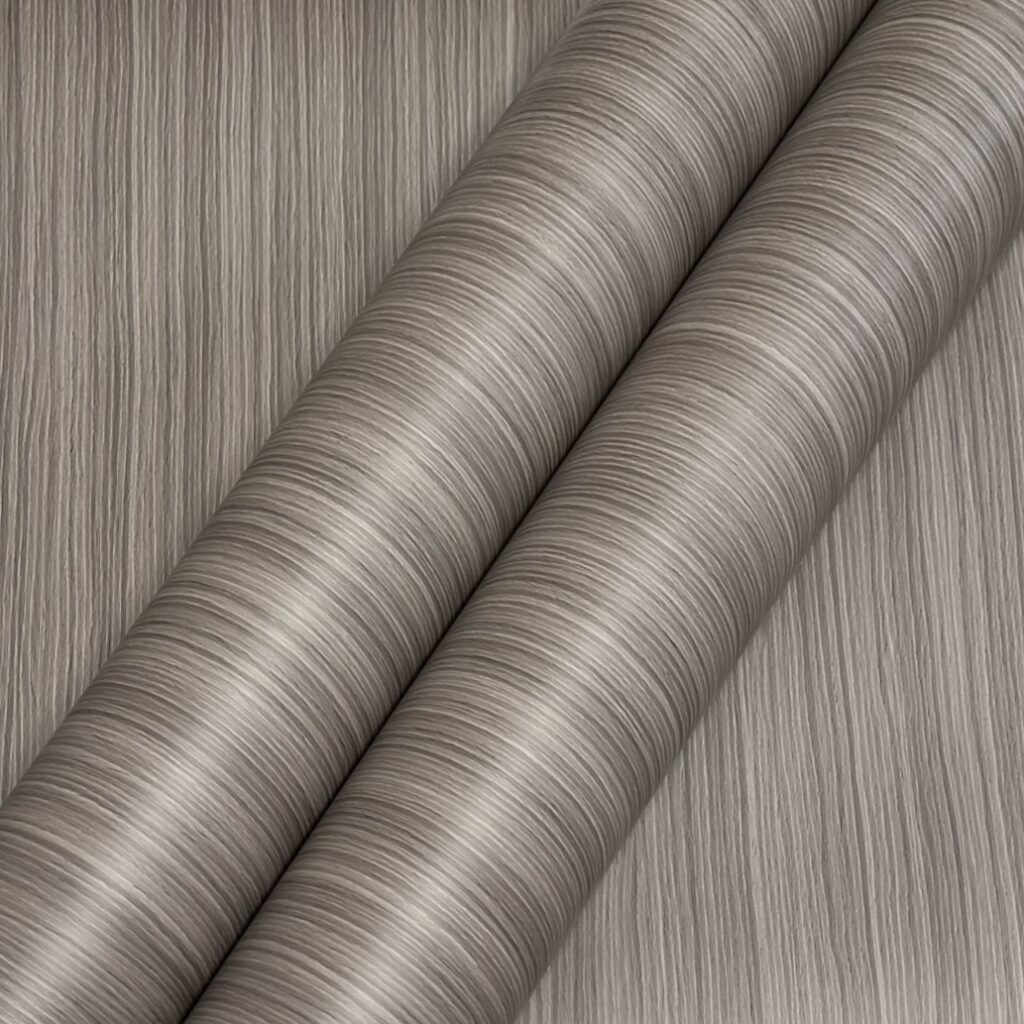
Straight Grain
Straight grain features long, parallel lines running consistently along the wood.
Characteristics:
- Clean appearance
- Simple and timeless
- Easy to match across large surfaces
Common applications:
- Kitchen cabinets
- Office furniture
- Modern wardrobes
- Interior doors
Straight grain is one of the most versatile wood grain patterns because it works with nearly every interior style.
Cathedral Grain
Cathedral grain is created when wood is flat-sawn, producing sweeping arch-shaped patterns that resemble cathedral windows.
Characteristics:
- Bold visual movement
- Rich natural character
- Traditional appearance
Common applications:
- Dining tables
- Kitchen cabinet doors
- Wood wall panels
- Residential furniture
Oak is one of the species most commonly associated with cathedral grain.
Ribbon Grain
Ribbon grain develops when interlocked fibers are quarter-sawn, producing alternating light and dark stripes.
Characteristics:
- Elegant linear appearance
- Premium visual effect
- Sophisticated texture
Common applications:
- Executive offices
- Luxury hotels
- Decorative wall panels
- High-end furniture
Ribbon grain is frequently seen in exotic hardwoods such as sapele.
Curly Grain
Curly grain creates flowing wave-like patterns caused by irregular fiber growth.
Characteristics:
- Dynamic movement
- Decorative appearance
- Highly distinctive
Common applications:
- Accent furniture
- Feature panels
- Decorative cabinetry
- Custom interior pieces
Because of its unique figure, curly grain is often used as a design focal point.
Bird’s-Eye Grain
Bird’s-eye grain consists of numerous small circular markings scattered across the wood surface.
Characteristics:
- Rare appearance
- Fine decorative detail
- High visual interest
Common applications:
- Luxury furniture
- Musical instruments
- Premium decorative panels
This pattern is most commonly found in certain maple species.
Burl Grain
Burl grain originates from abnormal tree growths and creates highly irregular swirling figures.
Characteristics:
- Complex organic patterns
- One-of-a-kind appearance
- Premium decorative value
Common applications:
- Luxury furniture
- Reception desks
- Feature walls
- Decorative veneers
Because every burl is unique, no two surfaces look exactly alike.
Interlocked Grain
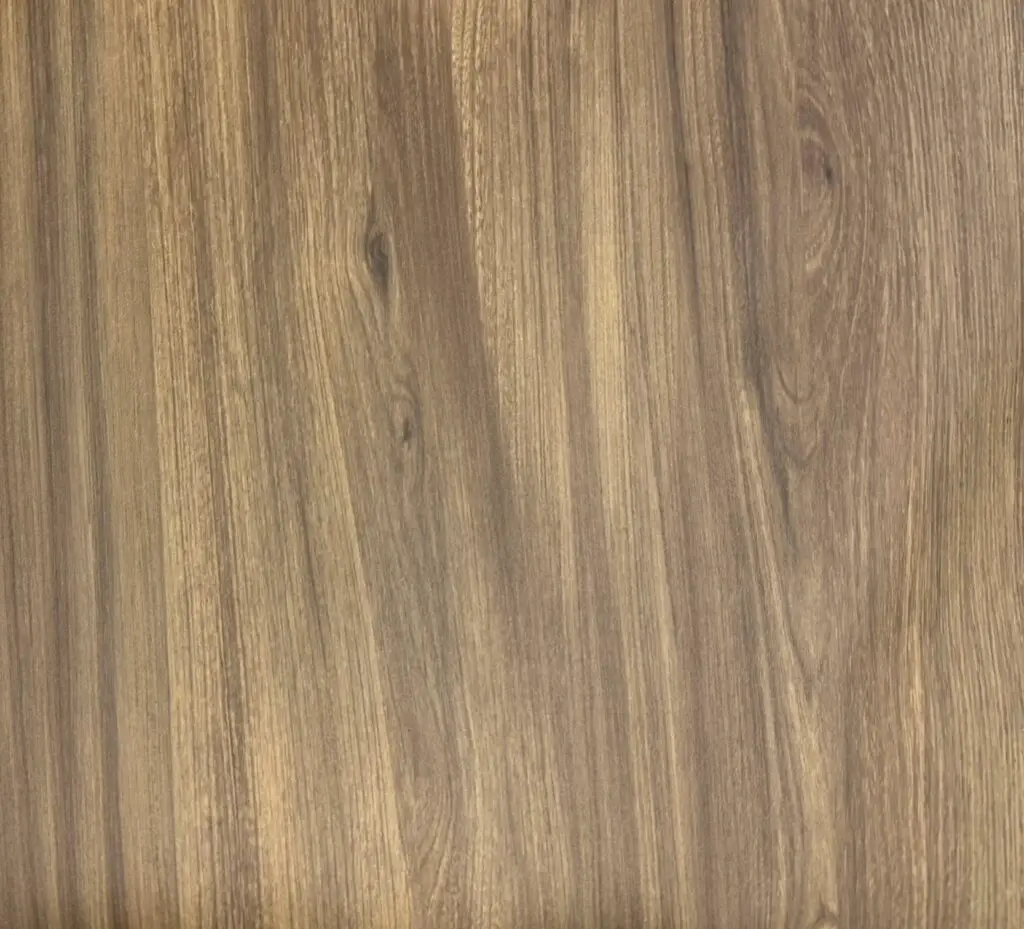
Interlocked grain occurs when wood fibers naturally change direction as the tree grows.
Characteristics:
- Rich texture
- Natural movement
- Increased visual depth
Although more challenging to process in solid wood, interlocked grain creates beautiful decorative surfaces.
Wavy Grain
Wavy grain forms gentle flowing lines that create a softer appearance than straight grain.
It is commonly selected for:
- Contemporary furniture
- Decorative panels
- Interior feature walls
Its subtle movement adds character without overwhelming the overall design.
Popular Wood Grain Designs for Modern Interiors
While natural wood species determine grain patterns, today’s interior designers often choose wood grain designs based on the atmosphere they want to create rather than the species itself.
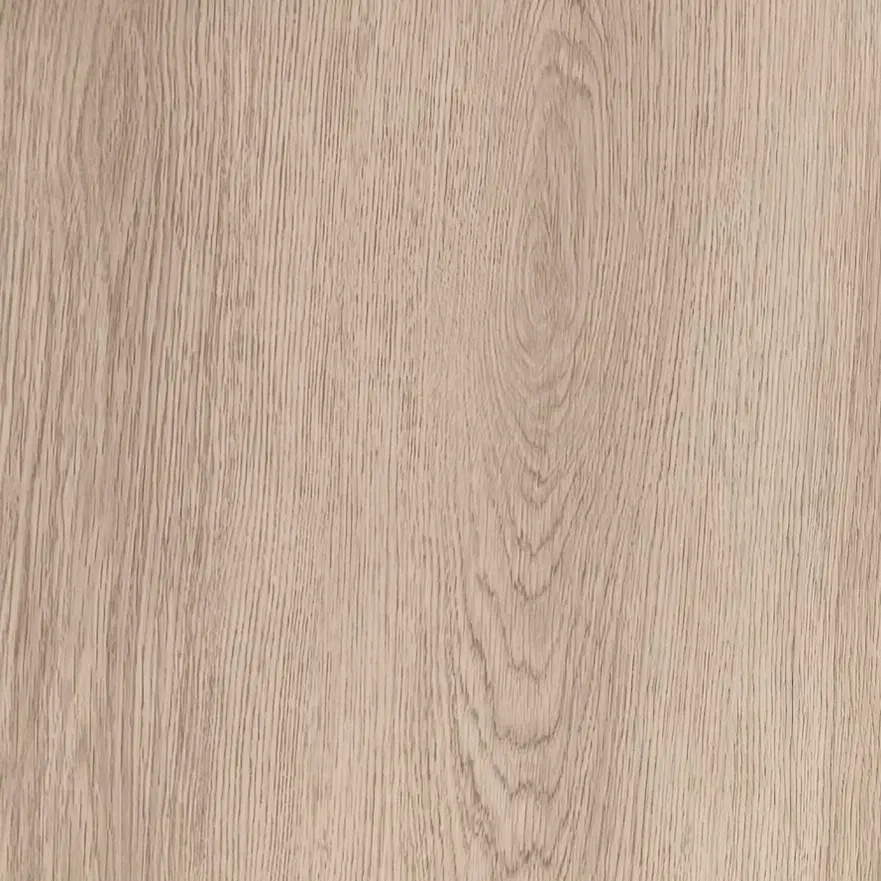
Oak
Oak remains one of the most popular wood grain designs because of its balanced texture and timeless appearance.
Best suited for:
- Modern kitchens
- Scandinavian interiors
- Residential furniture
- Retail spaces
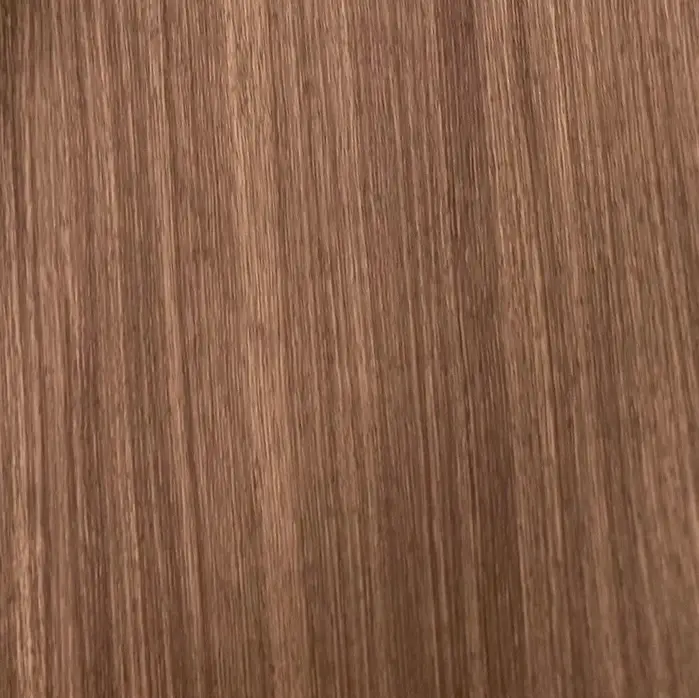
Walnut
Walnut offers darker tones and elegant flowing grain that conveys sophistication.
Popular applications include:
- Luxury cabinetry
- Executive offices
- Hotel interiors
- Premium furniture
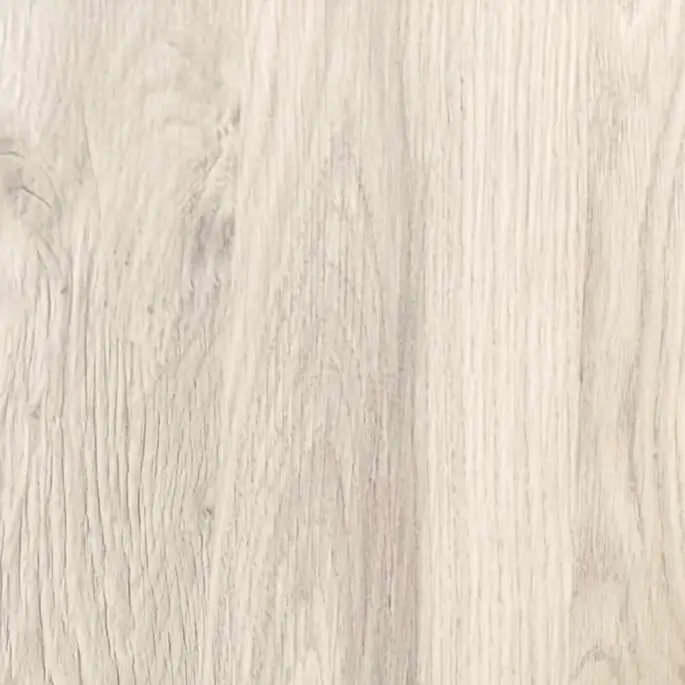
Ash
Ash features a lighter, cleaner grain with subtle contrast.
It is commonly used in:
- Minimalist interiors
- Contemporary apartments
- Modern wardrobes
- Office furniture
Elm
Elm grain typically shows strong natural movement and expressive texture.
Suitable for:
- Commercial interiors
- Feature furniture
- Restaurant decoration
- Hospitality projects
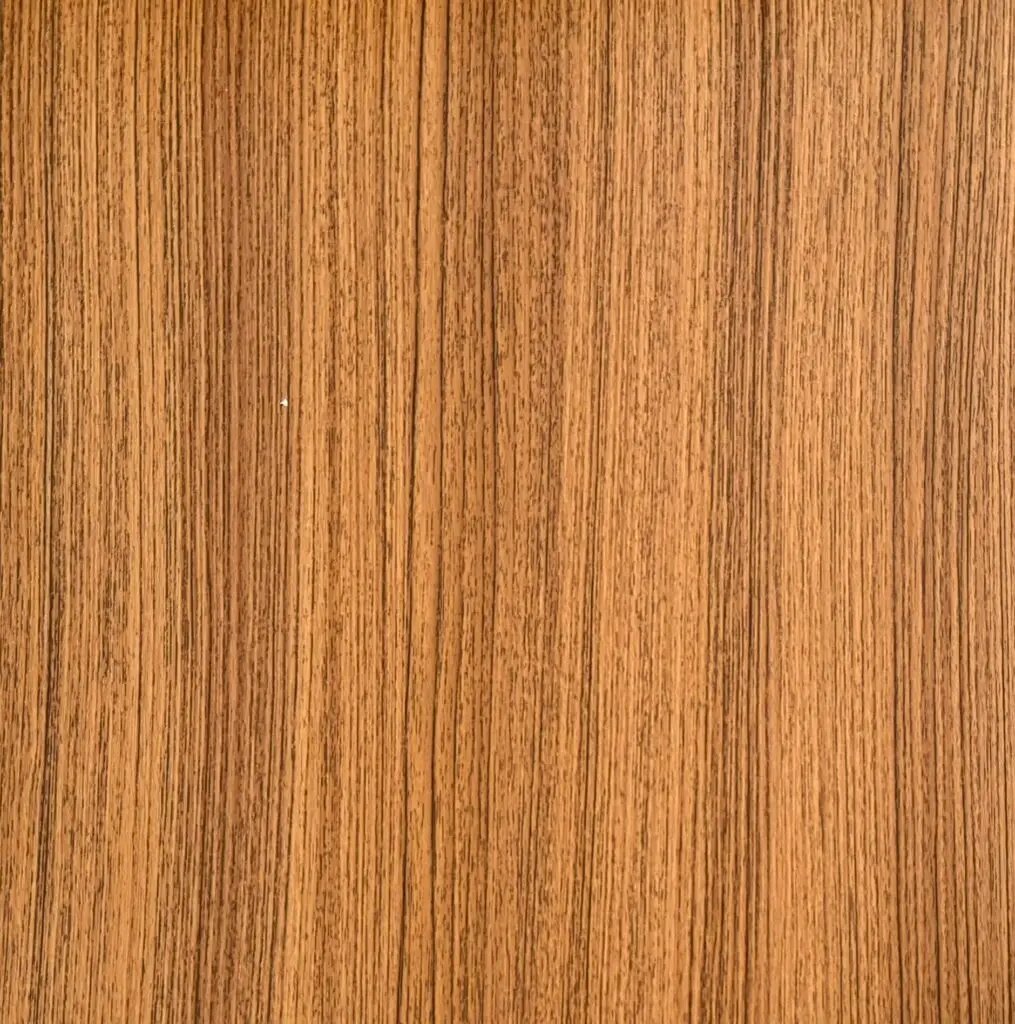
Teak
Teak combines warm golden tones with smooth grain, making it a classic choice for interiors seeking a welcoming atmosphere.
It works particularly well in:
- Boutique hotels
- Residential living spaces
- Luxury furniture
- Coastal-inspired interiors
Modern decorative films can accurately reproduce all of these popular wood grain designs while maintaining consistent color and texture across large production runs.
Natural Wood Grain vs. Decorative Wood Grain
Natural wood has long been valued for its unique appearance and authenticity. However, advances in decorative surface technology have made it possible to recreate realistic wood grain on engineered panels, furniture, and architectural surfaces using high-performance decorative films.
Rather than replacing natural wood entirely, decorative wood grain films provide an alternative solution for projects where consistency, durability, cost control, and design flexibility are priorities.
Appearance
Natural wood is unique—no two boards have identical grain, color, or figure.
Modern decorative films, however, are manufactured using high-resolution printing and synchronized embossing technologies that accurately replicate the visual depth and texture of popular wood species. This allows manufacturers to achieve a highly realistic appearance while maintaining consistency across large production batches.
Design Consistency
One challenge with natural wood is variation. Even boards from the same tree may differ in color and grain.
Decorative films provide uniform patterns and color consistency, making them ideal for:
- Modular furniture
- Large cabinet projects
- Hotel interiors
- Commercial fit-outs
- Retail display systems
Durability and Maintenance
Wood grain decorative films are designed for everyday interior use and typically offer:
- Scratch resistance
- Moisture resistance
- Easy cleaning
- Color stability
- Low maintenance
Unlike natural wood, they do not require periodic sanding, staining, or refinishing.
Sustainability
Decorative films also help reduce the demand for natural hardwood while achieving the same visual effect on engineered substrates such as MDF, plywood, or particleboard.
For manufacturers and designers looking to balance aesthetics with production efficiency, decorative wood grain surfaces have become an increasingly practical choice.
Where Are Wood Grain Decorative Surfaces Used?
One of the biggest advantages of modern wood grain decorative films is their versatility. They can be applied to a wide range of interior surfaces across residential, commercial, and hospitality projects.
Kitchen Cabinets
Wood grain remains one of the most popular finishes for kitchen cabinetry because it creates warmth without overwhelming the space.
Light oak, ash, and walnut patterns are especially popular in contemporary kitchens.
Wardrobes and Closets
Large wardrobe doors benefit from consistent grain patterns that create a clean, uninterrupted appearance.
Decorative films also allow manufacturers to produce matching furniture collections more efficiently.
Furniture Manufacturing
Wood grain films are widely used on:
- Tables
- TV cabinets
- Shelving
- Sideboards
- Office furniture
They provide the appearance of natural wood while improving production consistency.
Interior Doors
Wood grain decorative films give interior doors the warmth of timber without the maintenance requirements associated with solid wood.
Wall Panels
Wood-look wall panels have become increasingly popular in:
- Living rooms
- Hotel lobbies
- Offices
- Retail environments
- Restaurants
They create a welcoming atmosphere while offering excellent design flexibility.
Hospitality and Commercial Spaces
Hotels, restaurants, offices, and retail stores often require hundreds of matching panels or furniture components.
Decorative films ensure consistent color, grain, and texture throughout the project while simplifying large-scale manufacturing.
How to Choose the Right Wood Grain Pattern
Choosing a wood grain pattern involves more than selecting a color. The grain should complement the space, lighting, furniture style, and intended application.
Match the Interior Style
Different grain patterns support different design aesthetics.
For example:
- Straight grain complements modern and minimalist interiors.
- Cathedral grain suits traditional and farmhouse-inspired spaces.
- Walnut grain creates a luxurious, sophisticated atmosphere.
- Ash grain works well in Scandinavian-style interiors.
- Elm grain adds character to commercial and hospitality environments.
Selecting a pattern that aligns with the overall design concept creates a more cohesive interior.
Consider the Size of the Space
Wood grain can influence how large or small a room feels.
Lighter wood grains often make compact spaces appear brighter and more open, while darker patterns add depth and visual richness to larger rooms.
Evaluate Lighting Conditions
Natural and artificial lighting affect how wood grain appears.
In bright spaces, subtle grain patterns become more visible, while darker interiors often benefit from higher-contrast designs that add visual interest.
Viewing samples under actual project lighting is always recommended before making a final decision.
Choose According to the Application
Not every wood grain works equally well on every surface.
For example:
- Fine, consistent grain is ideal for large wardrobe doors and wall panels.
- More expressive grain patterns can create focal points on cabinet doors or feature furniture.
- Durable decorative films are better suited for high-traffic commercial environments where easy maintenance is important.
Considering both appearance and function helps achieve better long-term results.
Why Wood Grain PVC Decorative Films Are Becoming More Popular
As interior design trends continue to evolve, wood grain PVC decorative films have become an increasingly popular alternative to traditional wood veneers and solid timber.
Several factors are driving this shift.
Greater Design Flexibility
Manufacturers can offer hundreds—or even thousands—of wood grain designs without relying on limited natural timber resources.
Consistent Production Quality
Decorative films eliminate the color variation and grain inconsistency commonly found in natural wood, making them well suited for mass production.
Lower Material and Maintenance Costs
Wood grain films provide the visual appeal of timber while reducing material waste and minimizing maintenance requirements over the product’s lifecycle.
Improved Interior Performance
High-quality decorative films can offer enhanced resistance to moisture, everyday wear, and surface staining, making them suitable for demanding interior environments.
Sustainable Material Utilization
By applying decorative films to engineered wood panels, manufacturers can achieve premium wood aesthetics while making more efficient use of natural resources.
How LONMAY Recreates Natural Wood Grain Designs
At LONMAY, creating realistic wood grain surfaces goes beyond simply printing a pattern.
Our decorative films are developed to reproduce the depth, texture, and visual warmth of natural wood while meeting the practical requirements of modern interior manufacturing.
LONMAY offers:
- More than 5,000 decorative designs
- Over 8,000 embossing rollers for diverse surface textures
- Realistic wood grain, stone, marble, and solid-color finishes
- Customized pattern development for OEM and project requirements
- Eco-friendly, ROHS-compliant materials
- Optional fire-resistant and antimicrobial solutions for specialized interior applications
Our decorative films are widely used for:
- Furniture manufacturing
- Kitchen cabinets
- Wardrobes
- Interior wall panels
- Doors
- Glass decoration
- Hospitality projects
- Commercial interiors
- Public transportation applications
By combining advanced printing technology with precision embossing, LONMAY helps manufacturers create decorative surfaces that closely replicate the look and feel of natural wood while delivering consistent quality at scale.
FAQs
A wood grain pattern is the visible arrangement of wood fibers and growth rings that creates the distinctive appearance of a wood surface. Decorative films can accurately reproduce these patterns for furniture and interior applications.
Some of the most common wood grain patterns include straight grain, cathedral grain, ribbon grain, curly grain, bird’s-eye grain, burl grain, interlocked grain, and wavy grain.
There is no single “best” option. Oak, walnut, ash, and elm remain among the most popular choices because they balance natural appearance with versatility across different kitchen styles.
Yes. Modern decorative films use advanced printing and embossing technologies to recreate the color, texture, and visual depth of natural wood grain with remarkable realism.
High-quality decorative films are designed for interior use and generally provide excellent resistance to everyday wear, moisture, and routine cleaning when applied correctly.
Conclusion
Understanding wood grain patterns is the first step toward creating interiors that are both visually appealing and functionally effective. From the clean simplicity of straight grain to the dramatic character of burl and cathedral grain, each pattern contributes a unique style to furniture, cabinetry, doors, and wall surfaces.
While natural wood continues to be valued for its authenticity, modern decorative films have expanded the possibilities for designers and manufacturers by delivering realistic wood aesthetics with greater consistency, easier maintenance, and broader design flexibility.
Whether you’re selecting materials for a custom home, a commercial interior, or a large-scale furniture project, choosing the right wood grain pattern ensures the final result reflects both your design vision and practical requirements.
Bring Realistic Wood Grain Designs to Your Next Project
Looking for high-quality wood grain decorative films?
LONMAY provides premium PVC decorative films with over 5,000 designs, realistic embossed textures, and customizable solutions for furniture, cabinets, wall panels, doors, and other interior applications.
Contact esther@lonmay.com.cn today to request samples and discover wood grain decorative film solutions tailored to your next project.