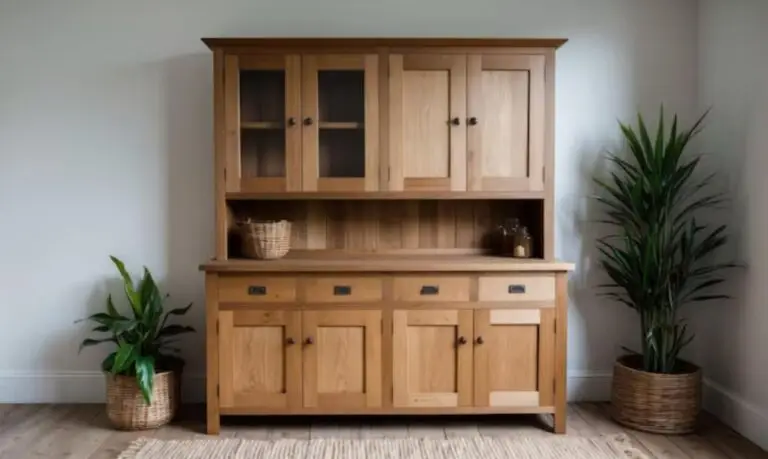
Due to its practical performance characteristics, PVC laminated wallpaper has become widely used in residential interiors where long-term maintenance, surface protection, and visual stability are required. Understanding its material composition and functional properties is essential before selecting it for home applications.
What Is PVC Laminated Wallpaper
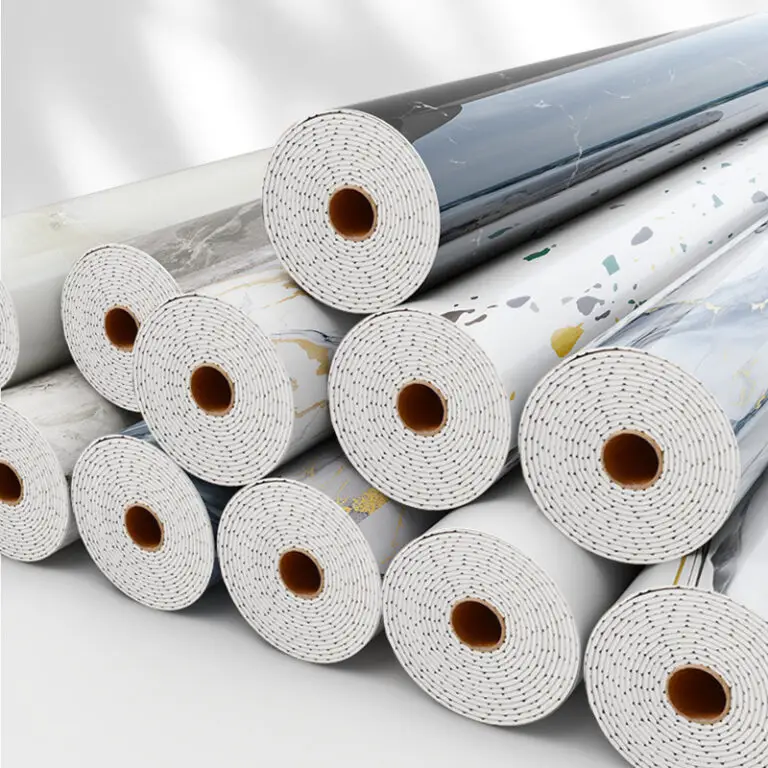
PVC laminated wallpaper is a multi-layer wall covering material designed with a protective PVC surface layer laminated over a decorative printed layer. The lamination process bonds the layers together using heat or adhesive technology, forming a stable and durable composite structure.
Unlike traditional paper wallpaper, PVC laminated wallpaper is not purely decorative. Its structure is engineered to provide additional surface protection, moisture resistance, scratch resistance, and easier maintenance.
A typical construction includes:
- A transparent PVC surface layer
- A printed or embossed decorative layer
- A backing layer made of non-woven fabric or paper
This layered design is what gives the material its enhanced performance characteristics.
In many manufacturing applications, the decorative surface layer is produced using PVC foil technology, which provides flexible design options and embossed surface effects. PVC laminated wallpaper is also widely considered part of the broader interior film category used for residential and commercial decorative surfaces.
How the Structure Determines Performance
The Role of the PVC Surface Layer
PVC is a thermoplastic polymer with a dense molecular structure. When used as a continuous surface film, it provides three key functional benefits:
Moisture resistance
PVC does not readily absorb water. The laminated surface helps prevent water or humidity from penetrating into the decorative layer.
Improved surface hardness
The PVC coating increases resistance to everyday abrasion and minor impacts.
Protection of printed designs
The protective layer shields the decorative print from fading caused by humidity and light exposure.
The improved durability of PVC laminated wallpaper is therefore a result of structural engineering rather than simply material thickness.
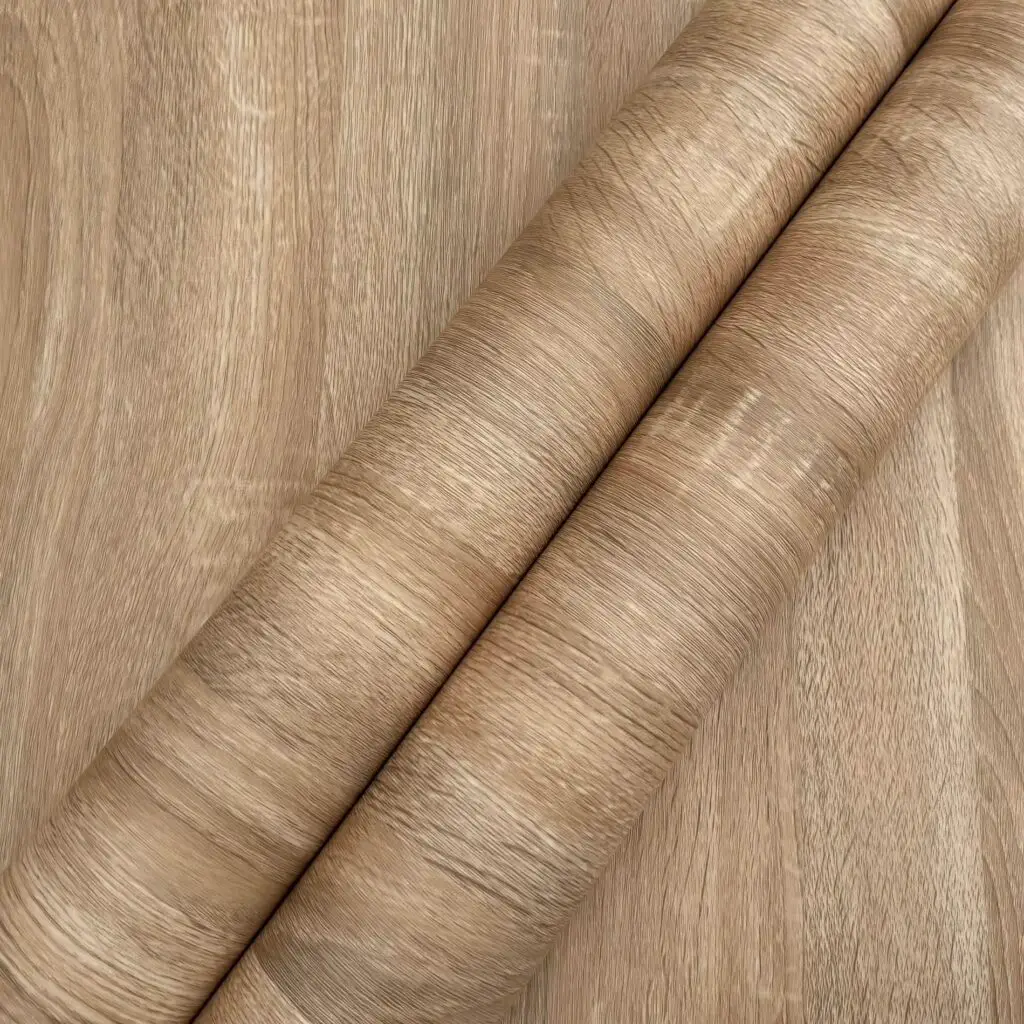
Is PVC Laminated Wallpaper Waterproof?
The term waterproof is often misunderstood.
From a material standpoint:
- The PVC surface layer is water resistant.
- The decorative layer is protected.
- The backing layer still exists beneath the surface.
This means PVC laminated wallpaper is surface water resistant, but it is not designed for continuous water immersion.
Suitable environments include:
- Living rooms
- Bedrooms
- Hallways
- Dining areas
- Kitchen walls away from direct water spray
- Bathroom dry zones
Not recommended for:
- Shower enclosures
- Areas with continuous water exposure
- Walls with existing moisture problems
If a wall has ongoing internal dampness, no surface covering can fully prevent long-term damage.
Will It Develop Mold?
Mold requires two main conditions: moisture and organic material.
The PVC surface layer does not absorb water and does not provide nutrients for mold growth. As a result, the surface itself is resistant to mold formation.
However, if moisture accumulates behind the wall covering due to poor ventilation or structural dampness, mold may develop within the wall substrate. In such cases, the issue originates from the wall structure rather than the PVC laminated wallpaper itself.
Therefore, the material offers surface-level mold resistance but does not replace proper waterproofing construction.
Is PVC Laminated Wallpaper Safe for Indoor Use?
The safety of PVC-based materials depends on formulation and manufacturing control.
High-quality products are typically manufactured with:
- Low VOC formulations
- Stabilizers that do not contain heavy metals
- Compliance with indoor air quality standards
Any temporary odor after installation is often related to adhesive products rather than the PVC layer itself. Proper ventilation for 24 to 72 hours after installation generally reduces residual smells.
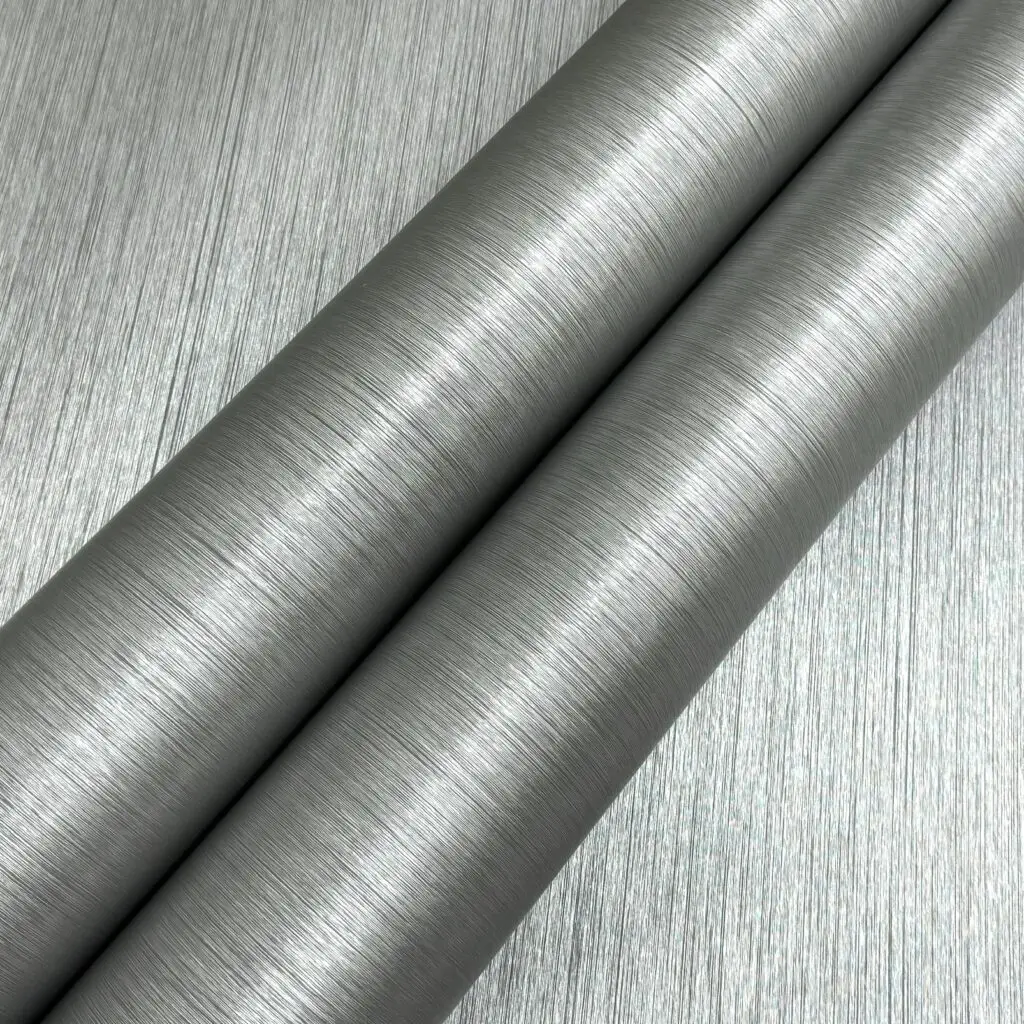
Expected Service Life
Under normal residential conditions, PVC laminated wallpaper typically lasts between 5 and 10 years.
Service life can vary depending on:
- Direct sunlight exposure
- Indoor humidity levels
- Cleaning frequency
- Wall preparation quality
The laminated PVC layer helps delay surface wear, color fading, and staining compared to traditional paper wallpaper.
Comparison With Other Wall Finishes
Compared With Paper Wallpaper
Advantages:
- Can be wiped with a damp cloth
- Less likely to bubble from humidity
- More resistant to scratches
- Lower risk of water absorption
Limitations:
- Slightly less breathable than paper-based materials
- Surface feel may be less soft
Compared With Non-Woven Wallpaper
Non-woven wallpaper generally offers better breathability, but it can be more susceptible to staining and surface damage. PVC laminated wallpaper provides stronger surface protection and easier cleaning.
Compared With Interior Paint
Paint provides a seamless appearance and straightforward application. However:
- It does not offer textured design effects
- Repairs can be noticeable
- Washability depends on paint grade
PVC laminated wallpaper offers decorative depth and replaceability, which may be advantageous in certain interiors.
Cleaning and Maintenance
To maintain performance:
- Clean with a soft damp cloth
- Avoid abrasive tools such as steel wool
- Do not use strong acidic or alkaline cleaners
- Avoid prolonged exposure to high heat
The PVC surface layer is resistant to common household stains, but proper maintenance helps extend longevity.
When Is PVC Laminated Wallpaper a Practical Choice?
It is particularly suitable for:
- Homes with children
- Homes with pets
- Dining areas and kitchens
- Spaces requiring regular surface cleaning
It may not be ideal for:
- Walls with unresolved damp issues
- Areas requiring maximum vapor permeability
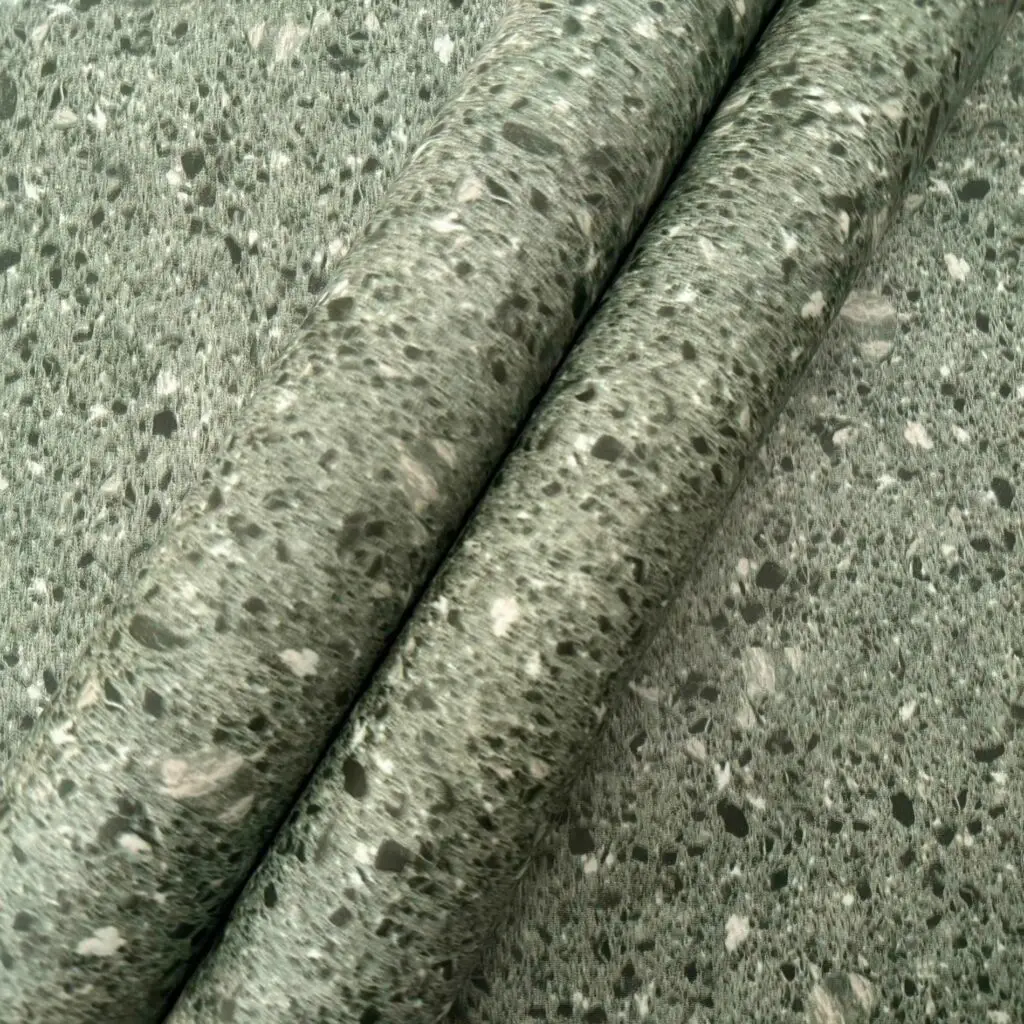
Conclusion
PVC laminated wallpaper is a functional wall covering engineered with a laminated protective structure. Its advantages come from the PVC surface layer, which enhances moisture resistance, durability, and ease of maintenance.
While it offers strong surface protection, it should not be considered a substitute for structural waterproofing systems.
When installed on properly prepared, dry walls, PVC wallpaper can provide a stable, low-maintenance decorative solution for residential interiors.
For product details, customization options, or material samples, feel free to contact us at esther@lonmay.com.cn.