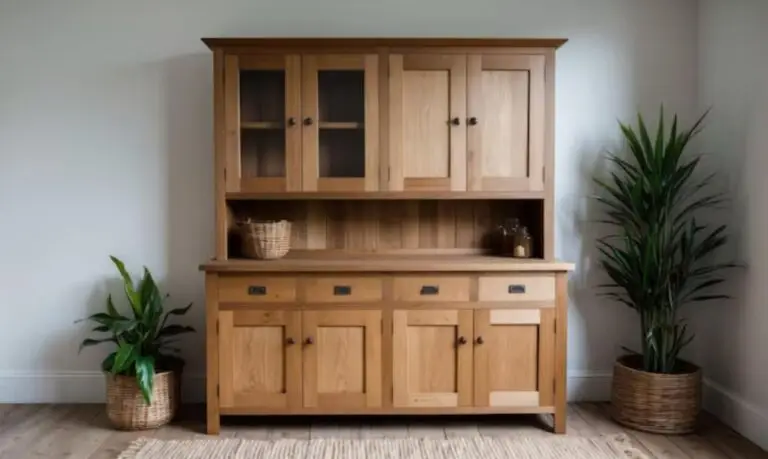
Plastic materials such as PVC, PP, PET, and PETG are widely used across industries including furniture manufacturing, interior decoration, packaging, and industrial applications. Although these materials are often grouped together as general-purpose plastics, their properties and performance differ significantly.
This article provides a structured comparison of PVC vs PP vs PET vs PETG, focusing on practical differences that directly affect real-world applications.
Overview of PVC, PP, PET and PETG
PVC (Polyvinyl Chloride)
PVC is a highly versatile thermoplastic that can be produced in both rigid and flexible forms. It is commonly used in construction materials and decorative surface applications.
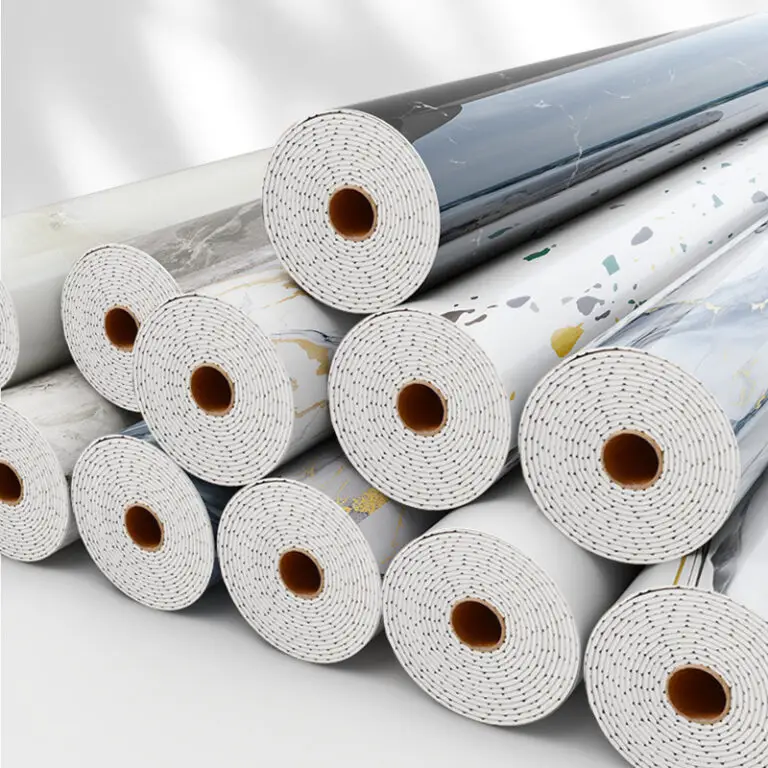
In interior and furniture-related industries, PVC is widely used for decorative films, edge banding, and laminated surfaces due to its adaptability and cost efficiency.
PP (Polypropylene)
PP is a lightweight thermoplastic known for its excellent chemical resistance and fatigue resistance. It is frequently used in packaging, automotive components, and household products.
However, PP is less commonly used for decorative surfaces due to its low surface energy, which makes printing and lamination more challenging.
PET (Polyethylene Terephthalate)
PET is a strong, transparent plastic widely used in packaging, especially for bottles and food containers. It offers good mechanical strength and dimensional stability.
Compared to other materials, PET is more rigid and less flexible, which can limit its use in certain surface applications.
PETG (Polyethylene Terephthalate Glycol)
PETG is a modified version of PET designed to improve impact resistance and processing performance. It is easier to thermoform and less brittle than standard PET.
Because of these improvements, PETG is often used in applications that require both transparency and durability.
Key Differences: PVC vs PP vs PET vs PETG
The following table summarizes the main differences between these materials:
| Property | PVC | PP | PET | PETG |
|---|---|---|---|---|
| Flexibility | High | Medium | Low | High |
| Transparency | Medium | Low | High | High |
| Impact Resistance | Medium | High | Medium | High |
| Chemical Resistance | Good | Excellent | Good | Good |
| Heat Resistance | Moderate | High | Moderate | Moderate |
| Processing Ease | Easy | Easy | Moderate | Easy |
| Cost Level | Low | Low | Medium | Medium to High |
This comparison highlights that no single material performs best in all categories. The choice depends on which properties are most important for the intended application.
Performance Comparison in Practical Applications
Surface Processing and Lamination
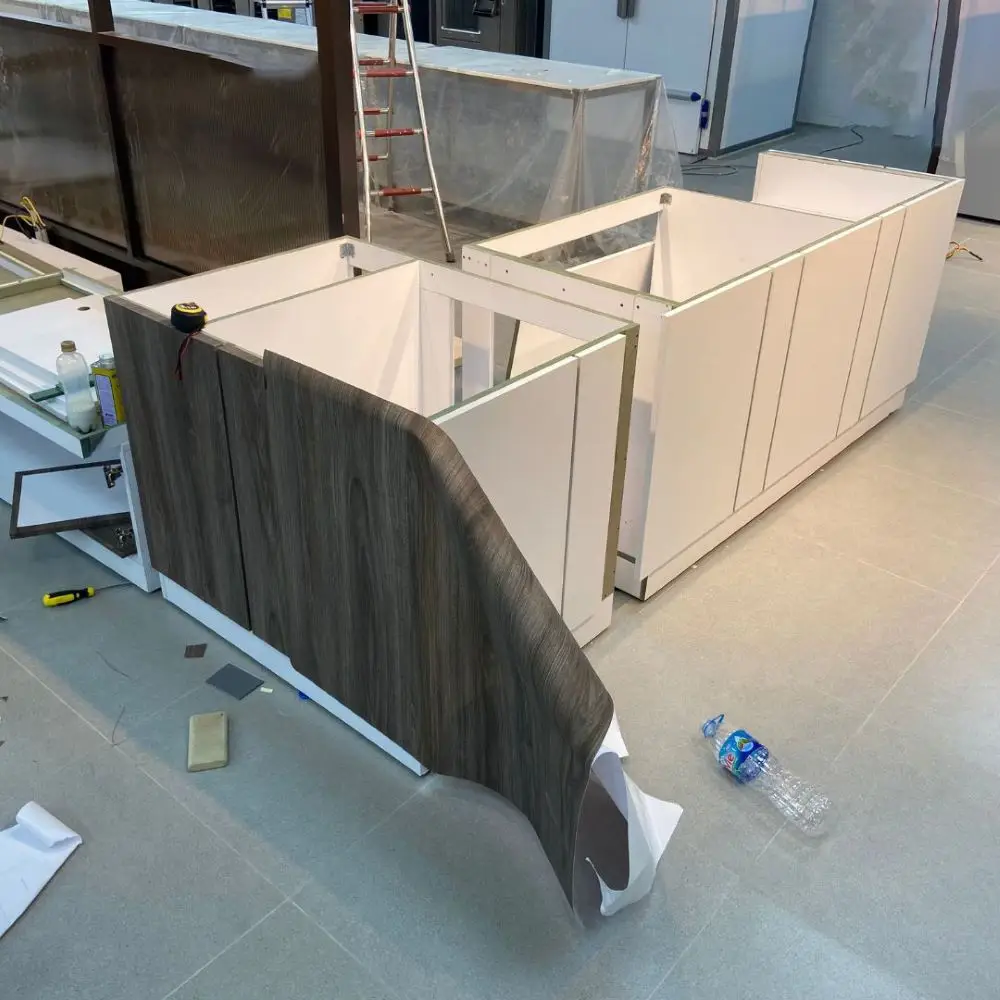
One of the most important factors in decorative and furniture applications is how well a material performs during lamination or surface finishing.
PVC offers strong compatibility with a wide range of substrates such as MDF, SPC, and WPC. It can be easily embossed, printed, or vacuum formed, making it suitable for decorative films.
PETG also performs well in forming processes, but at a higher material cost. PET, while strong, is less flexible and requires more controlled processing conditions. PP is generally not preferred for surface lamination due to its low adhesion properties.
Durability and Impact Resistance
In applications where impact resistance is important, PETG and PP tend to perform better. PETG combines toughness with flexibility, while PP offers good resistance to repeated stress.
PVC provides stable and reliable performance for most interior applications, although it is not typically selected for high-impact environments.
Aesthetic and Design Flexibility
For decorative applications, visual appearance and surface texture are key considerations.
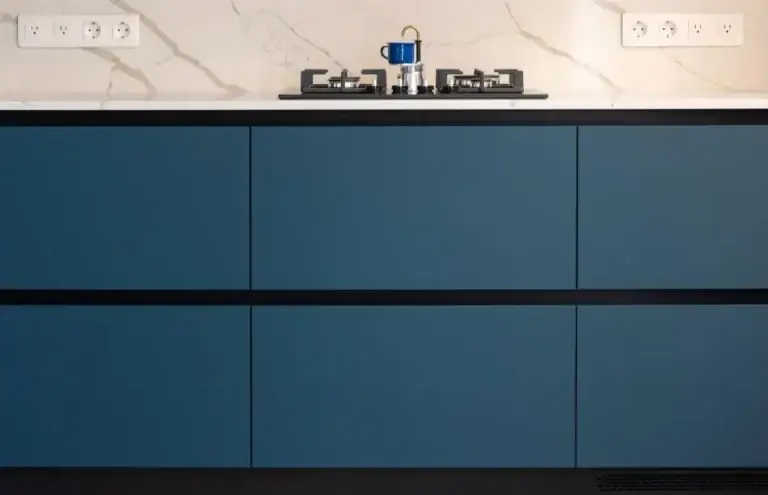
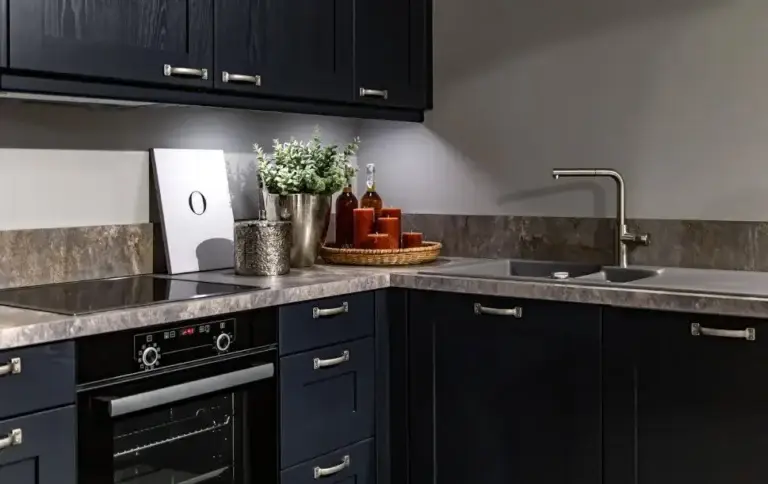
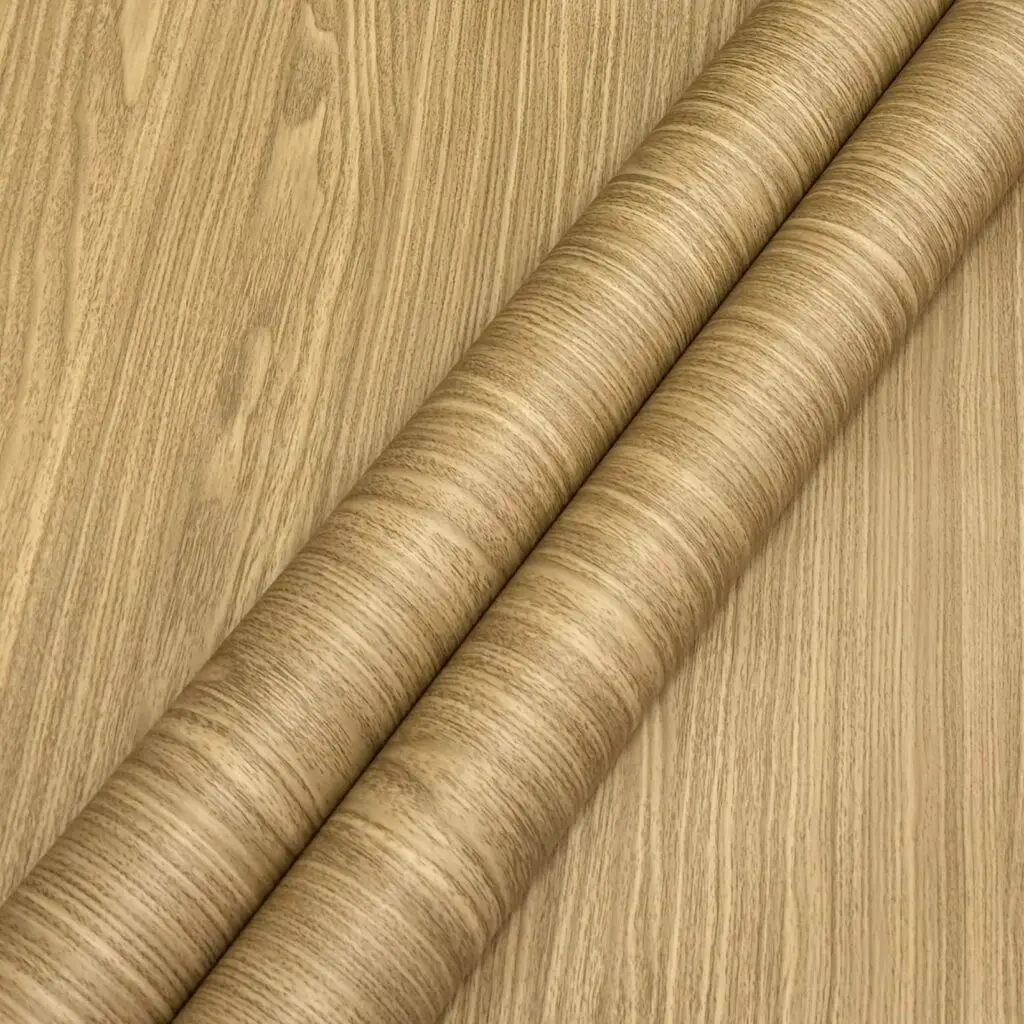
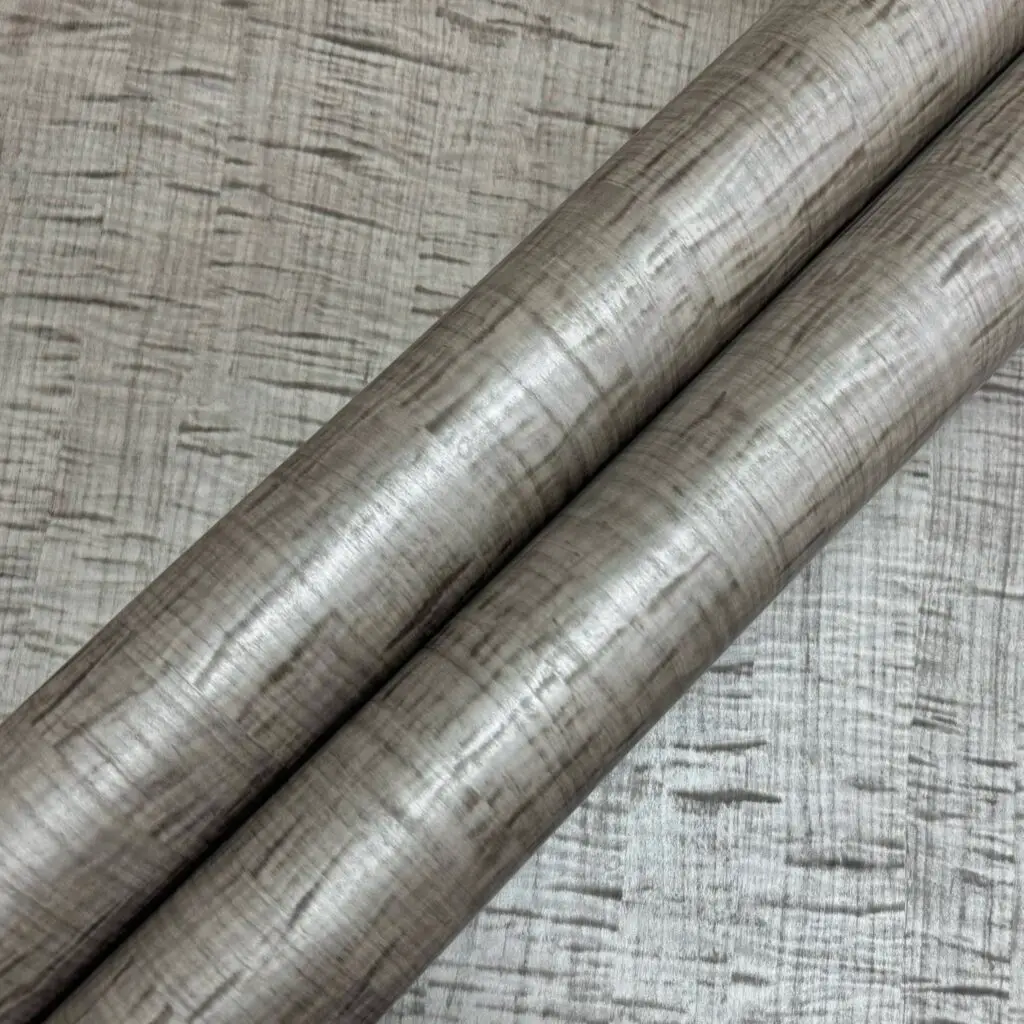
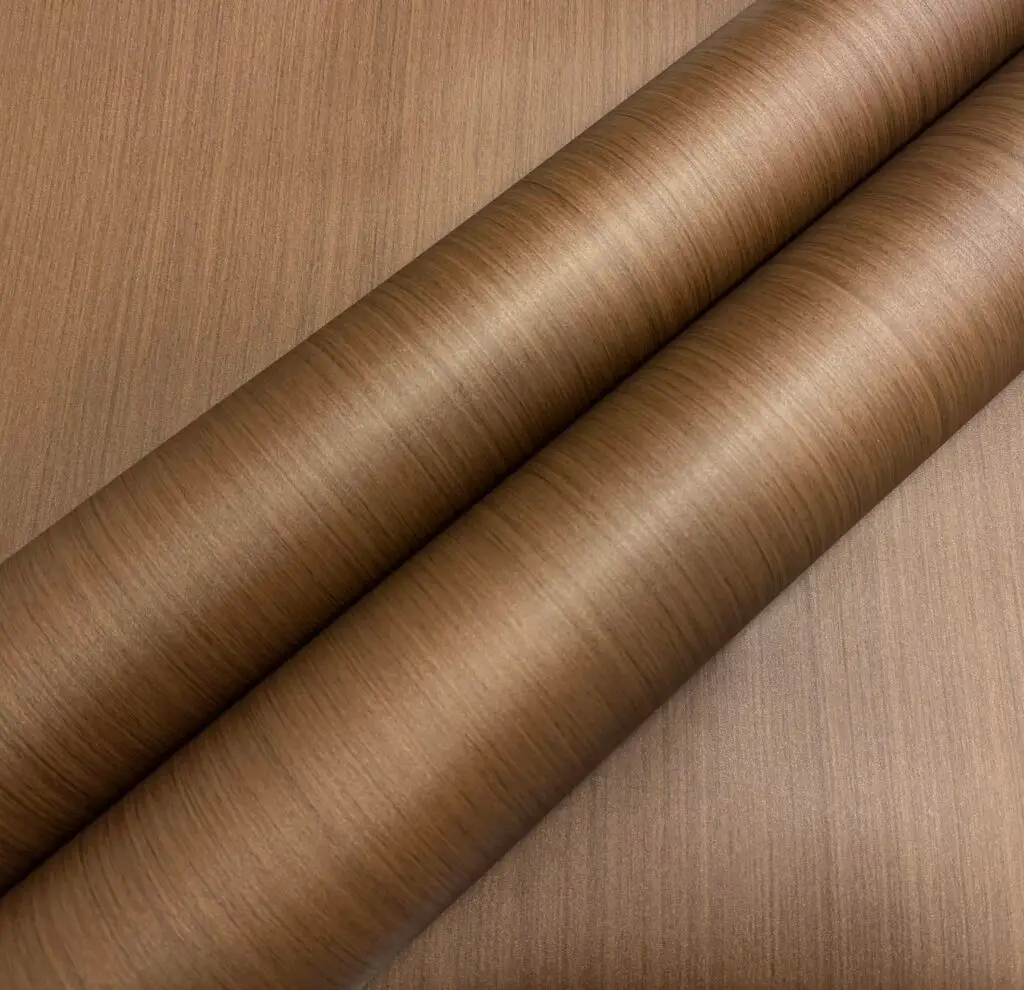
PVC supports a wide range of finishes, including wood grain, stone textures, matte, gloss, and soft-touch surfaces. This makes it highly adaptable for interior design.
PET and PETG offer high clarity and are often used when transparency is required. PP is generally limited in decorative applications due to its surface characteristics.
Chemical and Moisture Resistance
PP has the strongest resistance to chemicals, which is why it is widely used in packaging and industrial containers.
PVC and PET also offer good resistance to moisture and common chemicals, making them suitable for interior environments such as kitchens and bathrooms. PETG performs well in most conditions but may be less resistant to certain solvents.
Heat Resistance
PP has the highest heat resistance among the four materials, followed by PET. PVC and PETG have moderate heat resistance and are typically used in environments where extreme temperatures are not a primary concern.
Cost Considerations
Material cost is often a key factor in decision-making, but it should be evaluated alongside processing efficiency and long-term performance.
PVC and PP are generally the most cost-effective materials in terms of raw material price. PET and PETG are more expensive, with PETG typically being the highest.
However, total cost also includes:
- Processing complexity
- Production efficiency
- Waste rates
- Product lifespan
In large-scale decorative or furniture applications, PVC often provides the best overall cost-performance balance.
Typical Applications of Each Material
PVC Applications
PVC is widely used in:
- Decorative films
- Furniture surface laminates
- Wall panels and interior cladding
- Flooring surfaces
Its adaptability and processing ease make it a common choice in interior material solutions.
PP Applications
PP is commonly used in:
- Food and industrial packaging
- Automotive components
- Household containers
It is primarily selected for functional rather than decorative purposes.
PET Applications
PET is widely used in:
- Beverage bottles
- Food packaging
- Industrial films
Its strength and clarity make it ideal for packaging applications.
PETG Applications
PETG is used in:
- Medical packaging
- Display materials
- High-end panels and protective covers
It is often chosen where both clarity and impact resistance are required.
How to Choose the Right Material
Selecting between PVC vs PP vs PET vs PETG depends on the specific requirements of your project.
- For decorative surfaces and furniture applications, flexibility, surface finish, and cost efficiency are usually the main priorities.
- For packaging, factors such as safety, transparency, and chemical resistance are more important.
- For high-performance or premium applications, impact resistance and visual quality may justify higher material costs.
Understanding the trade-offs between these materials helps ensure better long-term performance and cost control.
Common Mistakes in Material Selection
Some of the most common issues in material selection include:
- Focusing only on raw material cost without considering processing or durability
- Choosing materials that are not compatible with the intended manufacturing process
- Over-specifying materials with higher performance than necessary
- Ignoring environmental factors such as humidity and temperature
Avoiding these mistakes can significantly improve product quality and reduce long-term costs.
Conclusion
PVC, PP, PET, and PETG each serve different roles across industries. Rather than competing directly, they are typically selected based on specific performance requirements.
In decorative and interior applications, PVC remains one of the most widely used materials due to its balance of flexibility, design versatility, and cost efficiency. PET and PETG are more suitable for applications requiring transparency and higher impact resistance, while PP is primarily used in functional and chemical-resistant applications.
Looking for the right material solution for your project? Contact Lonmay Film esther@lonmay.com.cn to discuss your specific requirements.