In any kitchen renovation, cabinets are one of the most important elements and often represent a significant portion of the overall budget. Whether in residential upgrades or commercial projects, how cabinets are handled can directly impact cost, project timeline, and final results.
A common and critical question is whether to reface existing cabinets or replace them entirely.
These two approaches differ substantially in terms of cost, construction complexity, design flexibility, and long-term performance. Understanding these differences is essential for making an informed decision.
This article provides a structured comparison of cabinet refacing vs replacement within the context of kitchen renovation, helping you choose the most suitable option for your project.
What Is Cabinet Refacing?
Definition
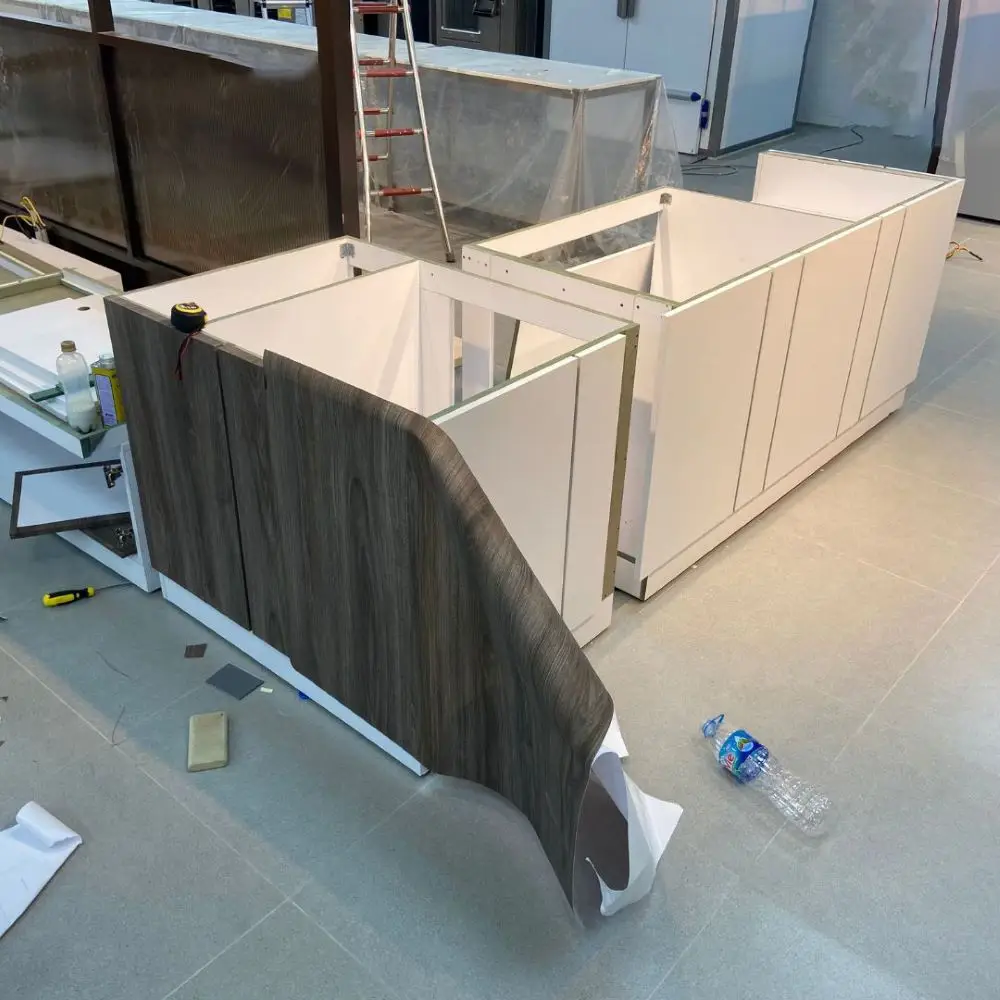
Cabinet refacing involves updating the exterior appearance of cabinets while keeping the existing cabinet boxes intact. This typically includes:
- Replacing cabinet doors and drawer fronts
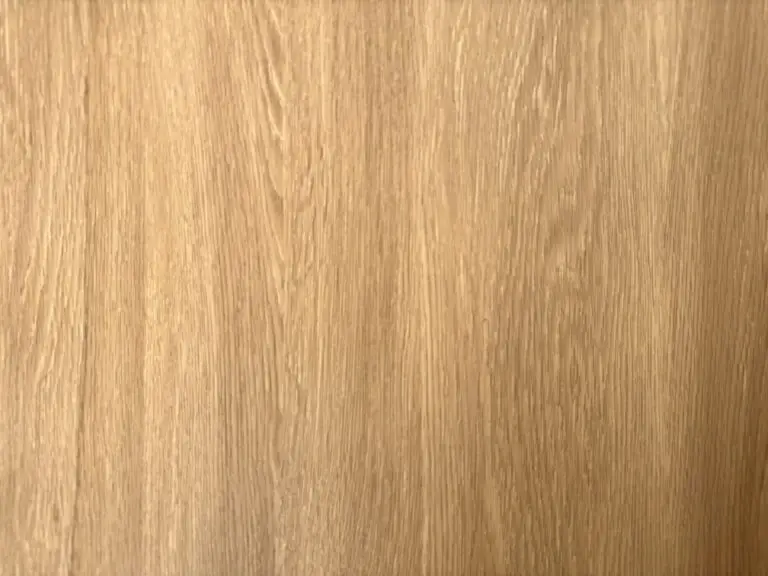
- Applying new surface materials such as PVC film, laminate, or veneer
- Updating hardware such as handles and knobs
In essence, refacing focuses on improving appearance rather than altering structure.
Common Refacing Methods
In kitchen renovation projects, common refacing methods include:
- Surface lamination using materials such as PVC decorative film
- High-pressure laminate (HPL) applications
- Wood veneer covering
- Painting or refinishing existing surfaces
Each method varies in cost, durability, and visual outcome. Film-based solutions are widely used in large-scale and standardized projects due to their consistency and efficiency.
When Refacing Is Suitable
Cabinet refacing is typically appropriate when:
- The cabinet structure is solid and undamaged
- There is no significant moisture damage or warping
- The kitchen layout does not need to change
- Internal storage functionality remains adequate
If these conditions are not met, refacing may not address underlying issues.
What Does Cabinet Replacement Mean?
Definition
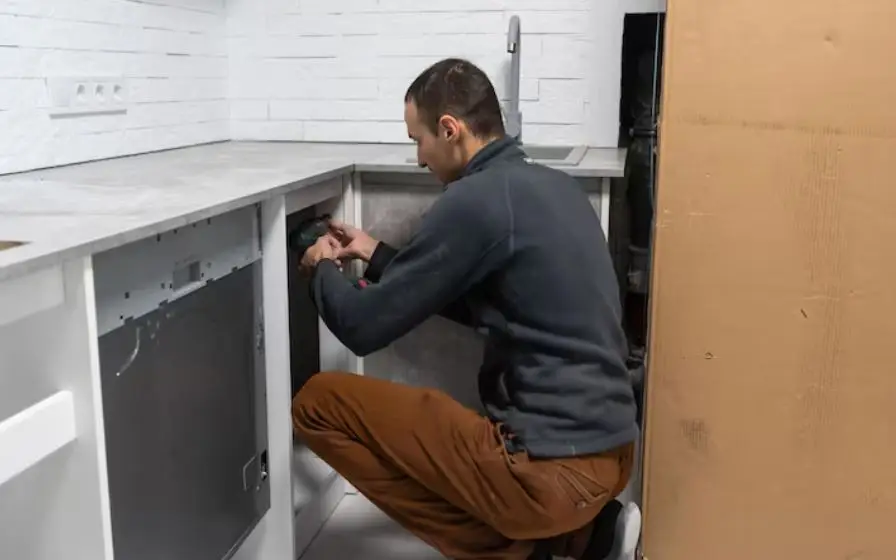
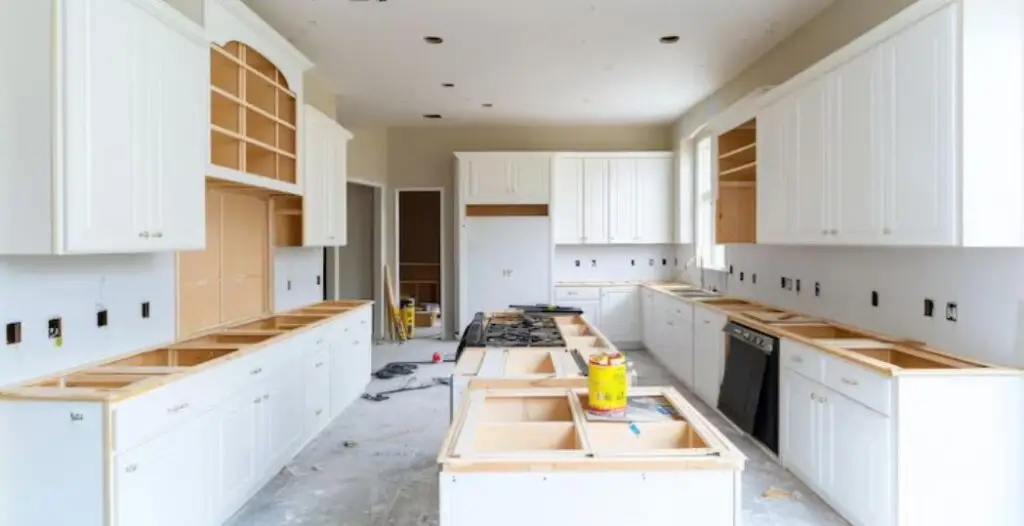
Cabinet replacement involves removing existing cabinets and installing an entirely new system. This generally includes:
- New cabinet boxes
- New doors and surface finishes
- Updated hardware such as hinges and drawer systems
In many cases, replacement may also involve plumbing or electrical adjustments, especially if the layout is modified.
Key Characteristics
Compared to refacing, cabinet replacement is a more comprehensive approach. It offers:
- Greater design flexibility
- The ability to reconfigure the kitchen layout
- Improved functionality and storage solutions
However, it also requires higher investment and longer construction time.
Cabinet Refacing vs Replacement: Key Differences
The main differences between the two options can be summarized as follows:
| Factor | Cabinet Refacing | Cabinet Replacement |
|---|---|---|
| Cost | Lower | Higher |
| Project Timeline | Shorter (often a few days) | Longer (several weeks) |
| Construction Impact | Minimal | Significant |
| Design Flexibility | Limited | High |
| Structural Changes | No | Yes |
| Material Waste | Lower | Higher |
Refacing focuses on upgrading existing structures, while replacement involves rebuilding from the ground up.
Cost Comparison: Looking Beyond Price
Cost of Cabinet Refacing
In most kitchen renovation projects, cabinet refacing typically costs around 30% to 50% of a full replacement. The main cost components include:
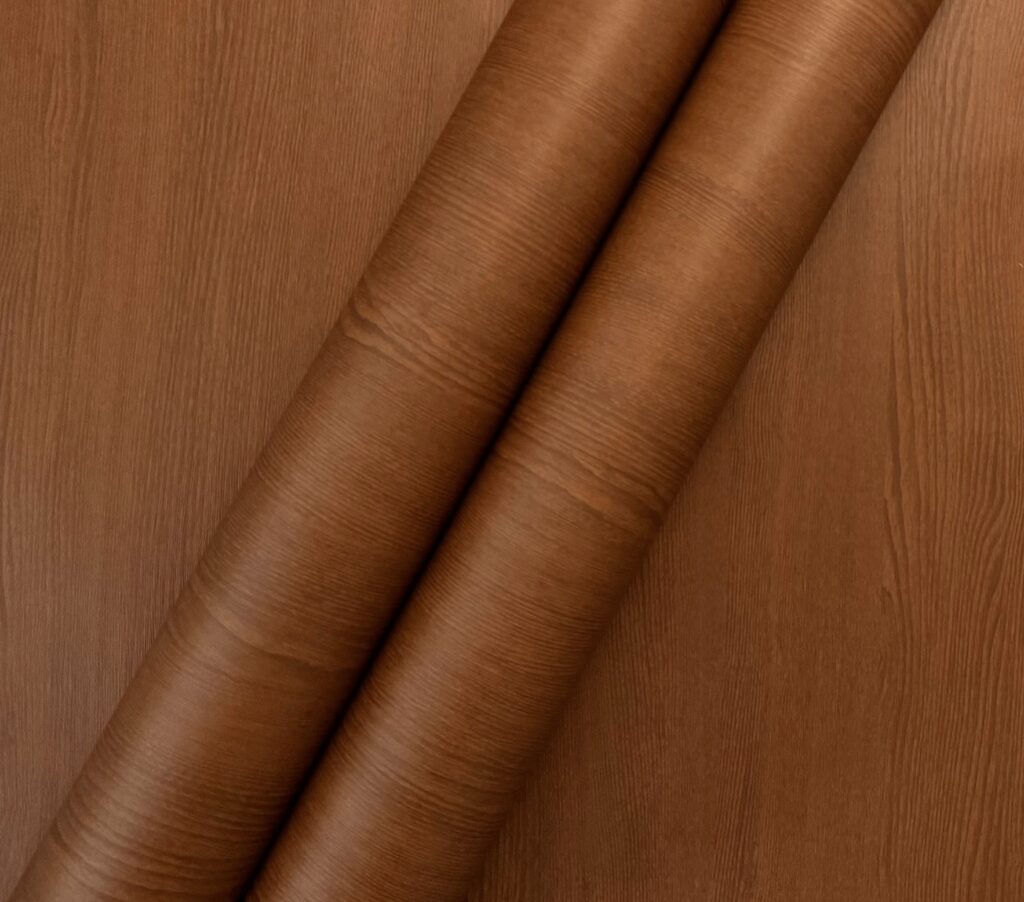
- Surface materials such as PVC film or laminate
- New doors and drawer fronts
- Labor for installation
Cost of Cabinet Replacement
Replacement costs are more complex and may include:
- New cabinet materials
- Custom design and fabrication
- Removal and disposal of old cabinets
- Installation and construction work
Additional costs may arise from:
- Plumbing or electrical modifications
- Wall or floor repairs
- Extended project timelines
Hidden Cost Factors
Several indirect costs are often overlooked:
- Temporary loss of kitchen functionality
- Project delays
- Material waste and inefficiencies
For this reason, total project cost should be evaluated holistically rather than based solely on material pricing.
Pros and Cons of Cabinet Refacing
Advantages
- More cost-effective
- Faster project completion
- Less disruption during installation
- Reduced material waste
In many cases, refacing can achieve a near-new appearance without the need for full replacement.
Limitations
- Does not allow layout changes
- Depends on the condition of existing cabinets
- Limited improvement in internal functionality
Refacing is best suited for cabinets that are structurally sound but visually outdated.
Pros and Cons of Cabinet Replacement
Advantages
- Full design flexibility
- Improved storage and functionality
- Suitable for damaged or outdated cabinets
Limitations
- Higher overall cost
- Longer construction period
- Greater disruption during renovation
For projects with limited budgets or tight timelines, replacement may not be the most practical option.
How to Choose the Right Option
Choosing between refacing and replacement in a kitchen renovation depends on several key factors:
When to Choose Cabinet Refacing
- Cabinets are structurally sound
- Budget is limited
- The goal is primarily aesthetic improvement
- A shorter project timeline is preferred
When to Choose Cabinet Replacement
- Cabinets are damaged or deteriorated
- A new layout is required
- Functional upgrades are a priority
- Budget allows for a full renovation
Common Materials for Cabinet Refacing
Material selection plays a critical role in both appearance and durability.
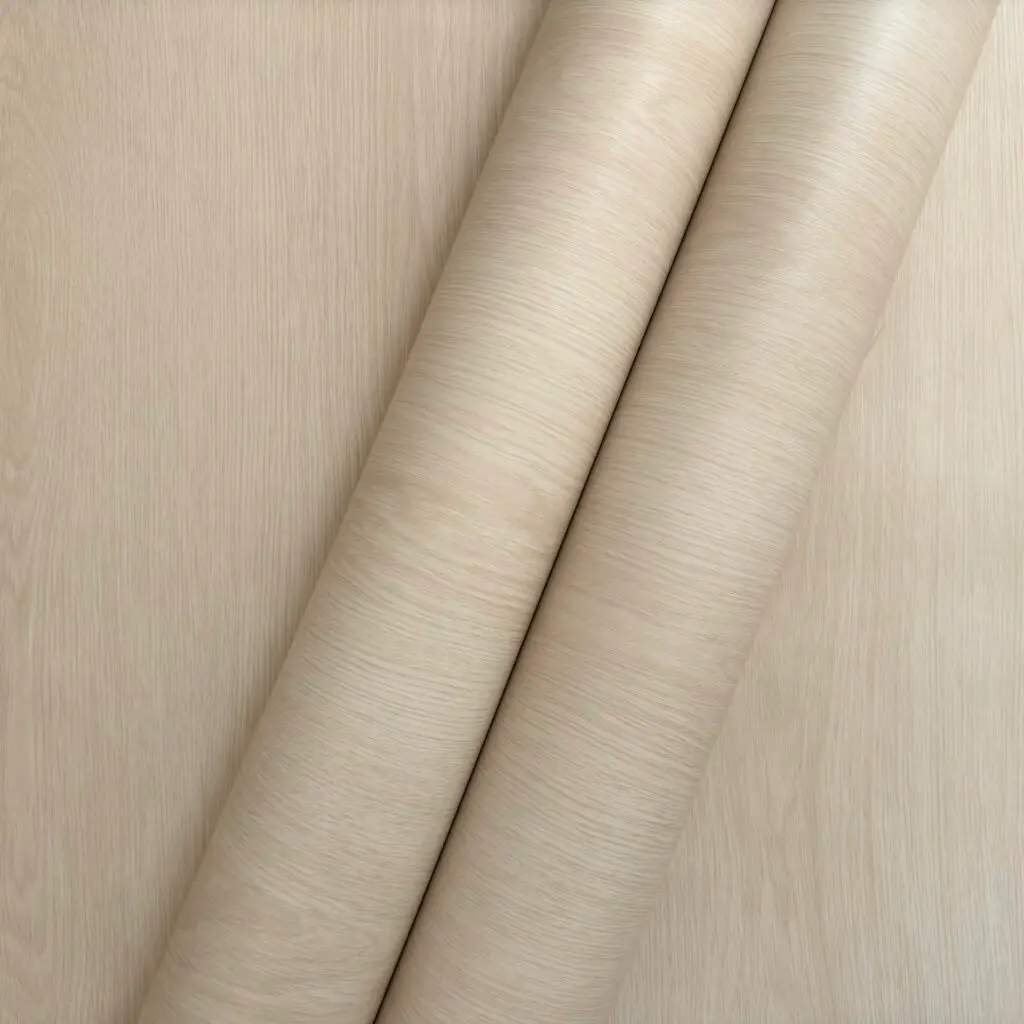
PVC Decorative Film
- Flexible and suitable for complex surfaces
- Available in a wide range of finishes and textures
- Consistent quality in large-scale applications
PVC film is widely used in furniture surface applications due to its balance of performance and cost.
Laminate
- Durable and wear-resistant
- Structurally stable
- More limited in design flexibility compared to film
Veneer
- Offers a natural wood appearance
- Higher material cost
- Requires more controlled environmental conditions
In practical supply chains, consistency and quality control are essential. Working with experienced material manufacturers can help ensure stable results across projects.
Service Life Comparison
Under normal conditions:
- Cabinet refacing typically lasts 5 to 10 years or more, depending on materials and workmanship
- Cabinet replacement can last 15 to 20 years or longer
Environmental factors such as humidity, usage frequency, and maintenance will influence actual lifespan.
Common Mistakes in Decision-Making
Common issues in kitchen renovation projects include:
- Focusing only on upfront cost
- Failing to assess cabinet structure properly
- Selecting unsuitable surface materials
- Underestimating the impact of construction on daily use
Avoiding these mistakes can significantly improve project outcomes.
Conclusion
In a kitchen renovation, cabinet refacing and cabinet replacement serve different purposes rather than competing directly.
For kitchens with structurally sound cabinets, refacing offers a practical balance between cost, efficiency, and visual improvement. For projects requiring layout changes or structural upgrades, replacement is the more appropriate choice.
By evaluating budget, functional needs, and existing conditions, it is possible to select the most effective solution for each specific project. Planning a kitchen renovation? Contact Lonmay Film esther@lonmay.com.cn to find the right material solution.
FAQ
Yes, especially when the cabinet structure is still in good condition and only the appearance needs improvement.
It typically costs about 30% to 50% of full replacement, depending on materials and project scope.
No. Refacing does not involve structural or layout changes.
Common options include PVC film, laminate, and veneer, depending on budget and design requirements.
Usually 5 to 10 years or more, depending on material quality and usage conditions.