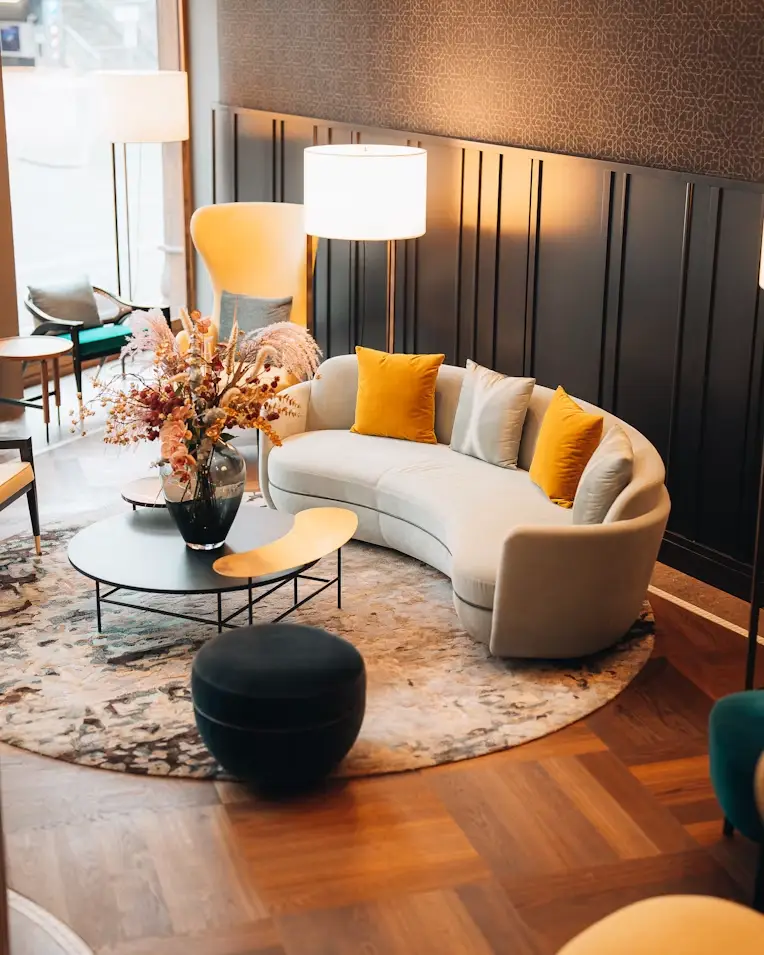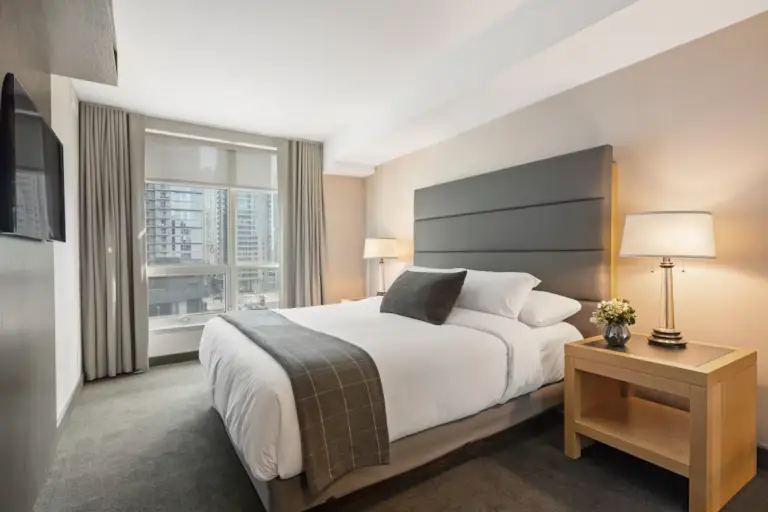
A hotel’s interior plays a major role in shaping guest impressions. Stylish, clean, and well-maintained spaces can lead to higher guest satisfaction, better online reviews, and increased bookings. On the other hand, outdated furniture and worn finishes can quickly make a property feel less appealing, even if the service is excellent.
So, how often should hotels renovate their interiors? The answer depends on factors such as the hotel’s category, guest traffic, brand standards, and maintenance practices. This guide explains the typical renovation cycle for hotels and how modern renovation materials can help reduce costs and downtime.
Typical Hotel Interior Renovation Timeline
Although every property is different, the following schedule is commonly used throughout the hospitality industry.
Every 1–3 Years: Minor Refresh
Small updates keep interiors looking clean and well maintained without requiring major construction.
Typical improvements include:
- Repainting selected areas
- Replacing soft furnishings and décor
- Updating lighting fixtures
- Repairing damaged furniture
- Refreshing signage
- Deep cleaning carpets and upholstery
These updates are relatively inexpensive and help preserve a positive guest experience.
Every 5–7 Years: Partial Renovation
After several years of continuous use, guest rooms and public spaces often require more significant improvements.
Common renovation work includes:
- Updating guest room furniture
- Renovating reception areas
- Refreshing restaurant interiors
- Replacing wall finishes
- Upgrading doors and cabinets
- Modernizing meeting rooms
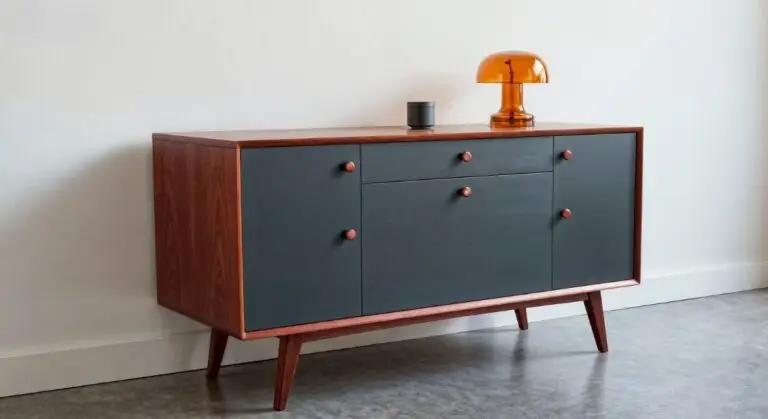
Instead of replacing all furniture, many hotels now renovate existing surfaces using PVC decorative film, saving both time and money.
Every 10–15 Years: Major Renovation
Most hotels plan a comprehensive renovation every decade or so.
A major renovation may include:
- Complete guest room redesign
- New interior design concept
- Bathroom remodeling
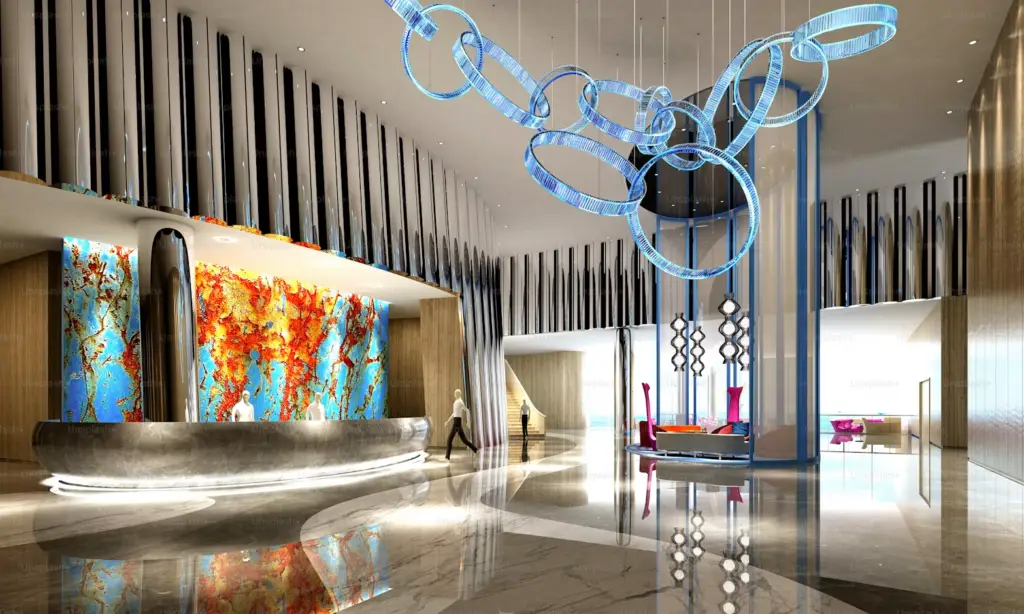
- Lobby transformation
- Mechanical and electrical upgrades
- Restaurant and public area renovation
These projects help hotels remain competitive and meet changing guest expectations.
Factors That Affect Renovation Frequency
There is no universal renovation schedule. Several factors influence how often a hotel should update its interiors.
Hotel Category
Luxury hotels are expected to maintain premium interiors and often renovate more frequently than economy hotels to meet guest expectations.
Occupancy Rate
Hotels with consistently high occupancy experience greater wear and tear, requiring more frequent updates.
Brand Standards
International hotel brands often require periodic renovations to maintain a consistent appearance across their properties.
Interior Materials
The durability of materials significantly affects renovation cycles. High-quality finishes that resist scratches, stains, and moisture can extend the life of hotel interiors.
Signs Your Hotel Needs Renovation
Even if your property hasn’t reached its planned renovation schedule, certain warning signs indicate it’s time for an upgrade.
These include:
- Scratched or damaged furniture
- Faded wall finishes
- Outdated interior design
- Worn reception counters
- Damaged doors and cabinets
- Declining guest satisfaction or online reviews
- Increasing maintenance costs
Addressing these issues early can prevent more expensive repairs in the future.
Reduce Renovation Costs with PVC Decorative Film
Traditional hotel renovations often involve replacing furniture, doors, cabinets, and wall panels. This process is expensive, time-consuming, and creates noise and construction waste.
PVC decorative film offers a faster and more economical alternative.
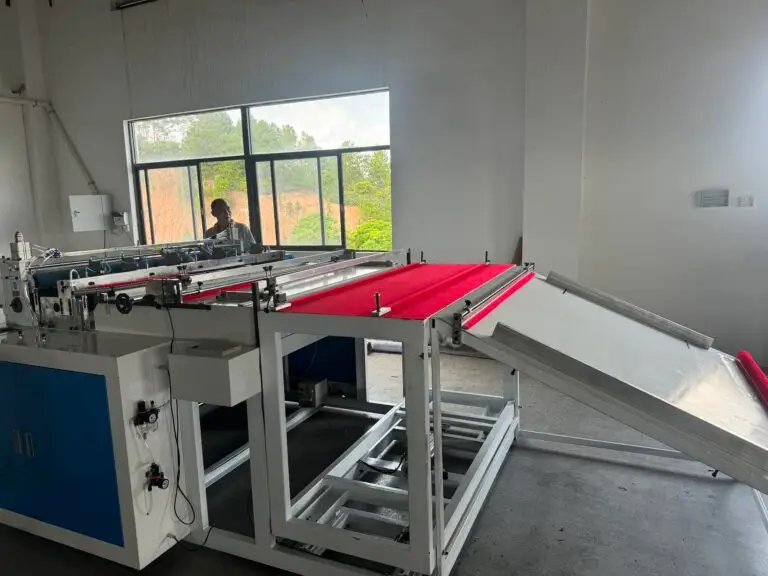
Instead of removing existing surfaces, decorative film is applied directly over them, instantly creating a new appearance with minimal disruption.
Benefits include:
- Faster installation
- Lower renovation costs
- Minimal dust and noise
- Reduced material waste
- Wide range of colors and textures
- Easy maintenance
- Durable and scratch-resistant surfaces
This solution is particularly suitable for hotels that want to remain operational during renovation.
LONMAY Hotel Renovation Solutions
LONMAY specializes in high-quality PVC decorative film for commercial renovation projects. Its products are widely used in hotels to refresh:
- Guest room furniture
- Wooden doors
- Reception desks
- Elevator surrounds
- Wall panels
- Decorative columns
- Cabinets
- Public area furnishings
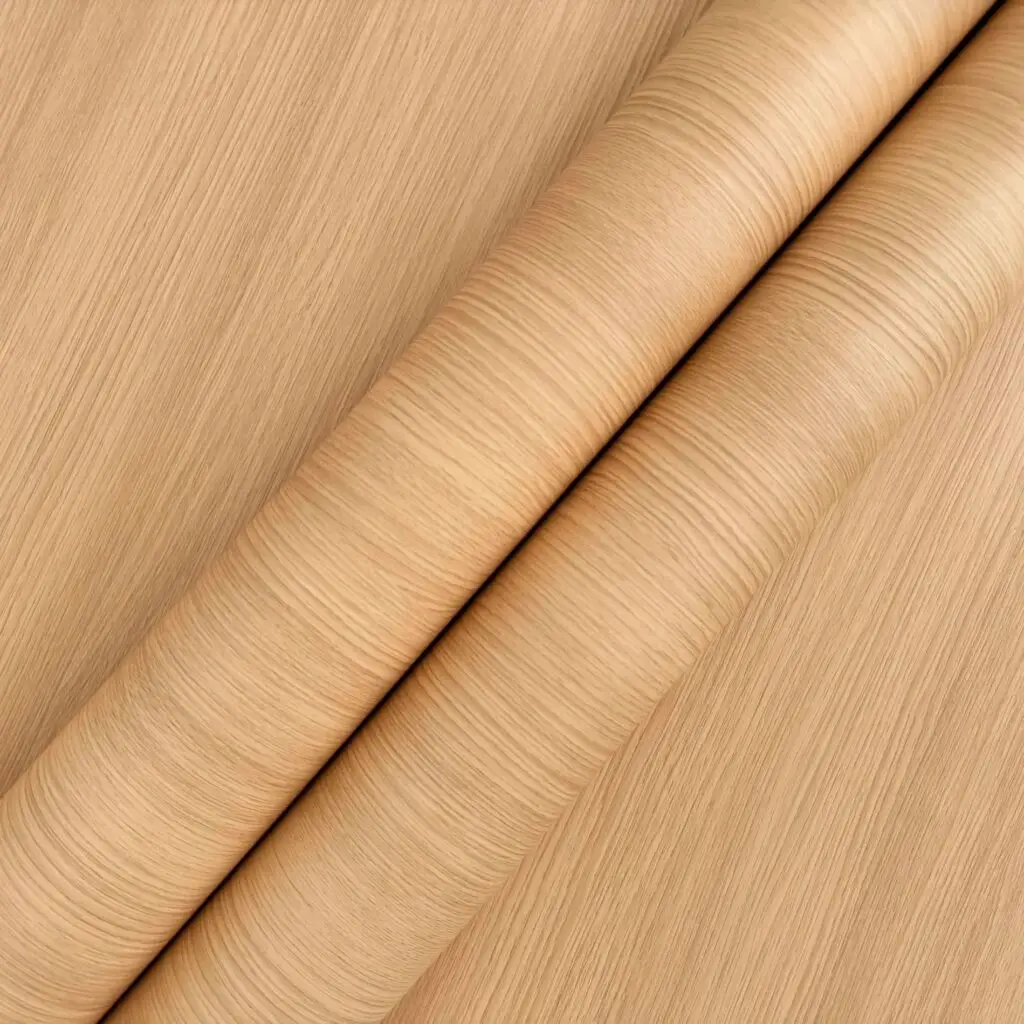
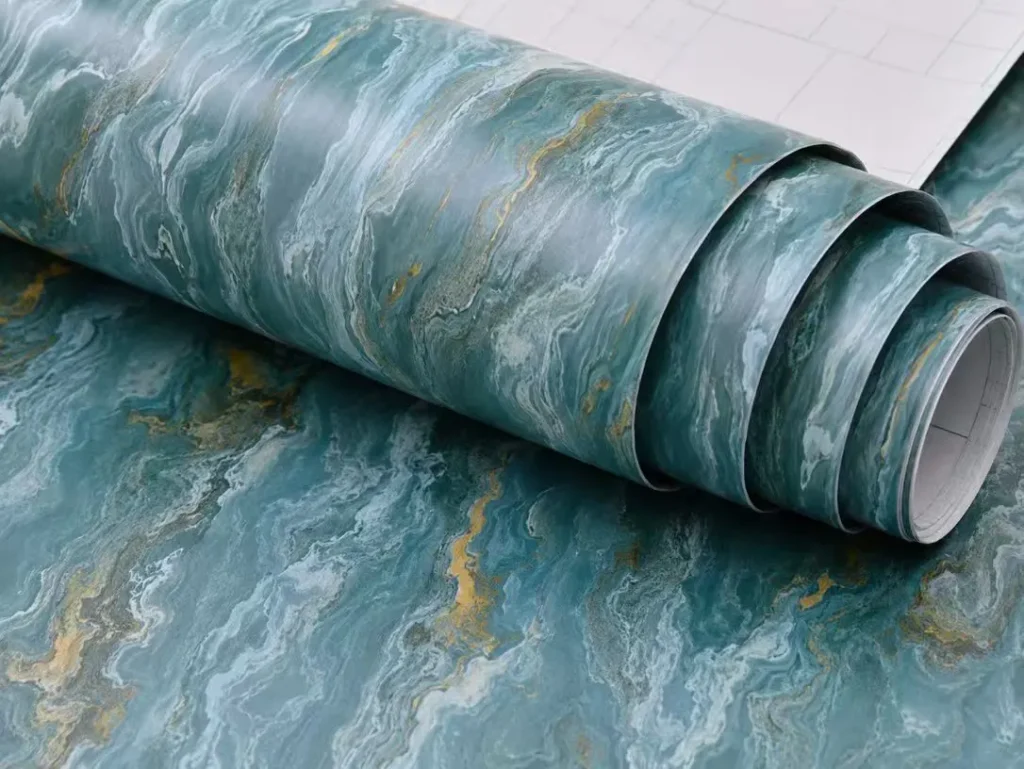
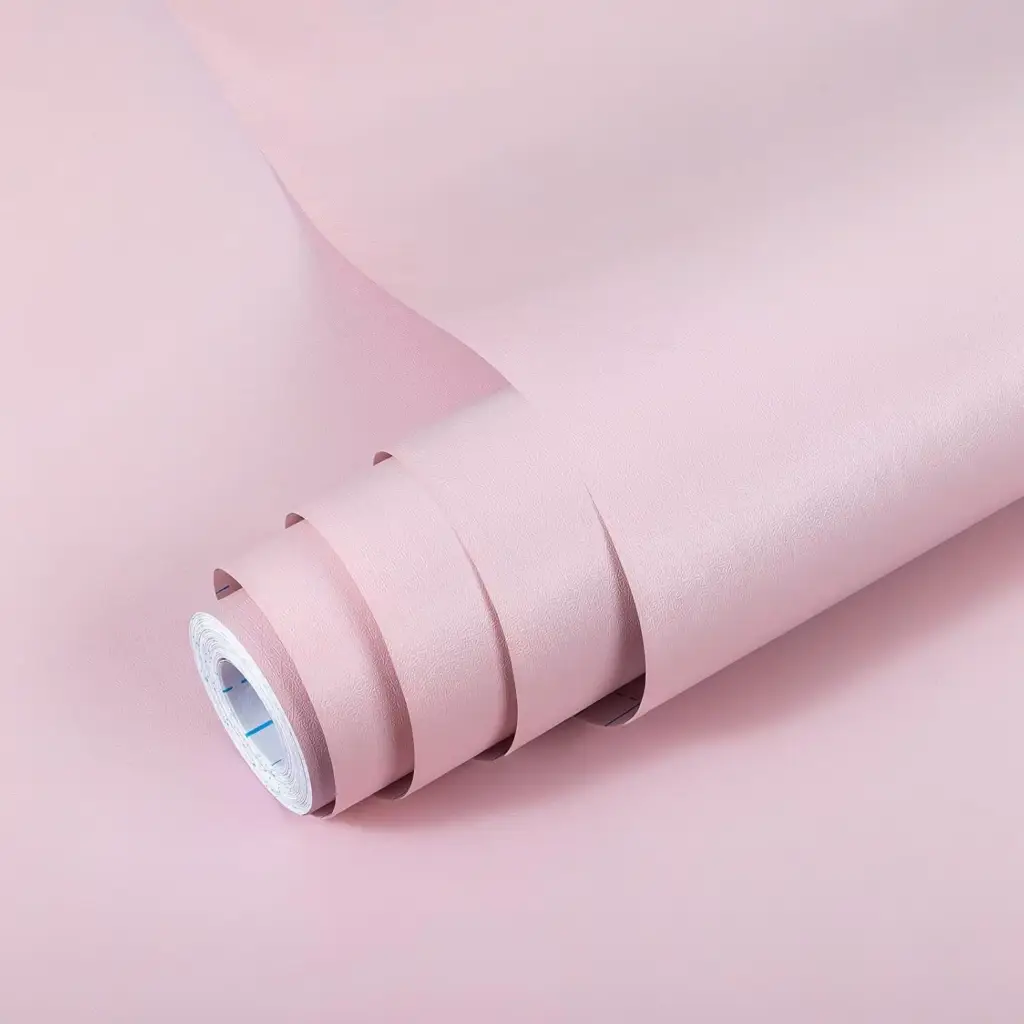
With thousands of available designs—including wood grain, marble, brushed metal, fabric textures, and solid colors—LONMAY helps hotels create modern interiors without replacing existing furniture and fixtures.
Proven Hotel Renovation Projects
LONMAY has completed numerous hotel renovation projects around the world.
Examples include:
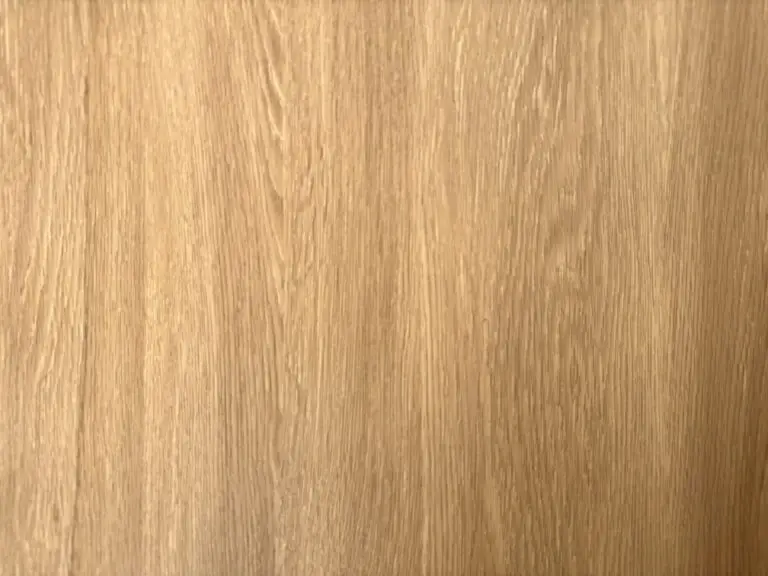
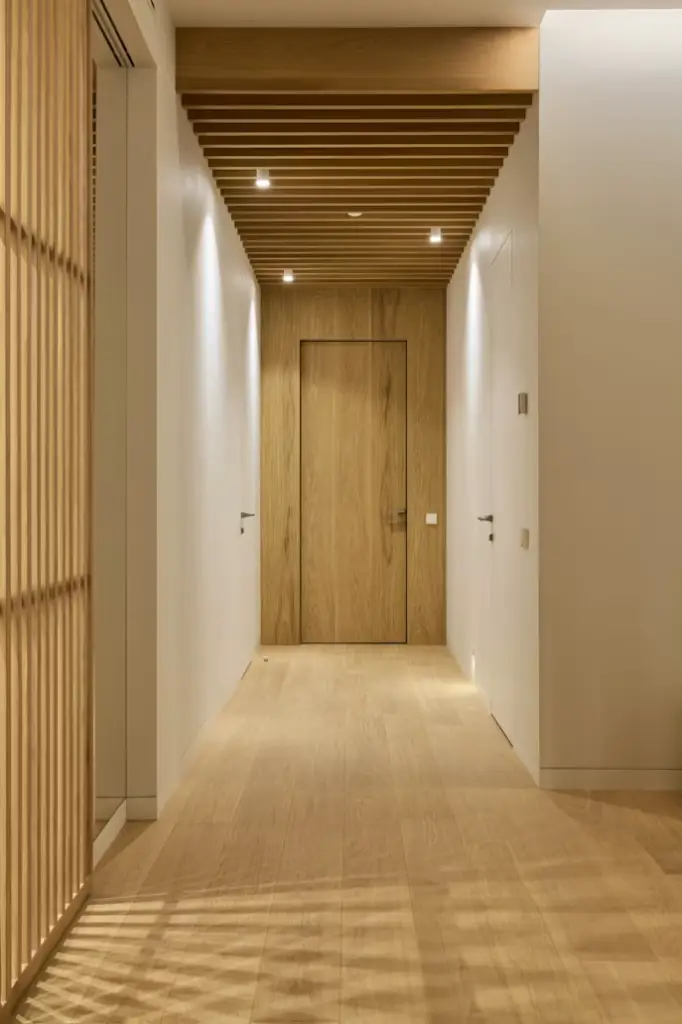
- Guest Room Renovation: Wood-grain decorative film transformed aging furniture into warm, contemporary interiors.
- Five-Star Hotel Lobby Upgrade: Brushed metal self-adhesive film refreshed reception areas, feature walls, and decorative columns with minimal disruption.
- Boutique Hotel Renovation: Multiple decorative film finishes were applied throughout guest rooms and public spaces to create a cohesive, high-end design while reducing renovation time and costs.
These projects demonstrate how surface renovation solutions can achieve impressive visual results without extensive demolition.
Conclusion
Most hotels benefit from minor interior updates every few years, partial renovations every five to seven years, and major renovations every ten to fifteen years. However, the ideal schedule depends on your property’s condition, occupancy, and brand positioning.
Choosing innovative renovation materials can significantly reduce both costs and downtime. Instead of replacing furniture and fixtures, LONMAY PVC decorative film allows hotels to modernize existing surfaces quickly, sustainably, and efficiently.
Whether you’re refreshing a boutique hotel, upgrading a luxury property, or planning a large-scale renovation, LONMAY provides reliable decorative film solutions that combine beautiful finishes with practical performance.
For more information about LONMAY hotel renovation products or to request samples, please contact:
Email: esther@lonmay.com.cn