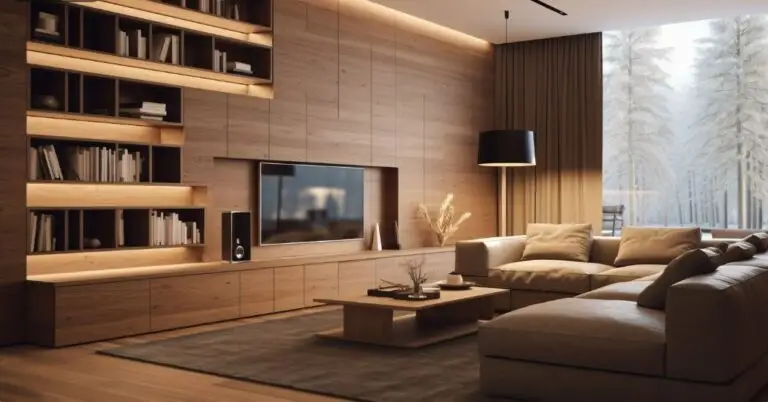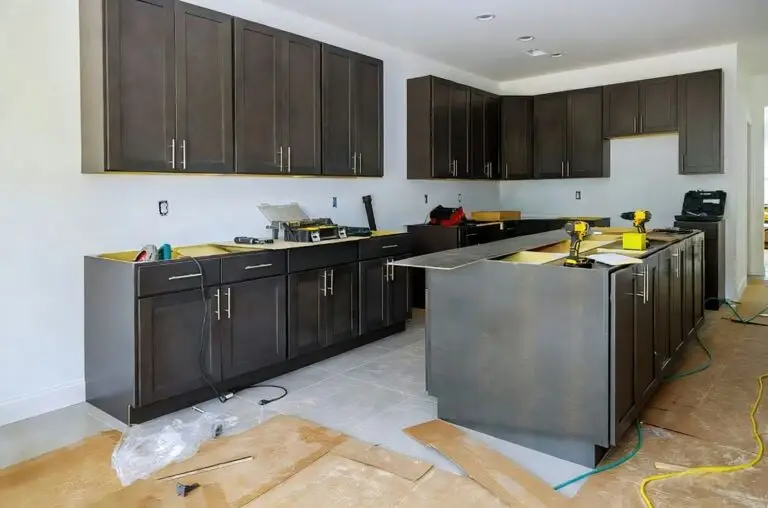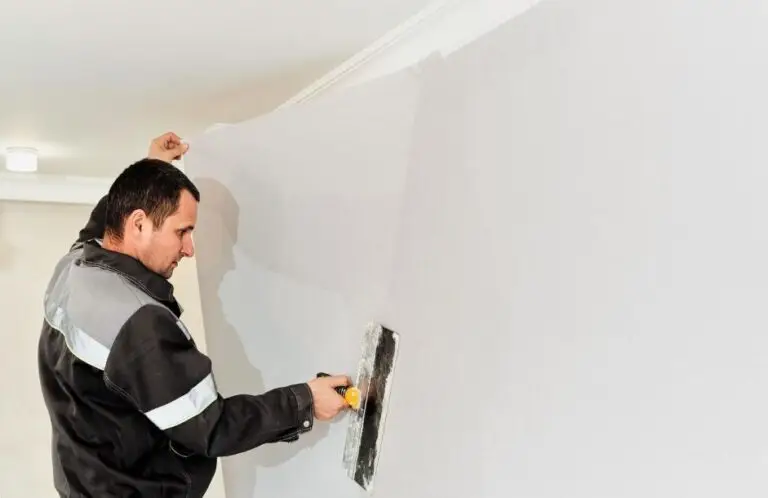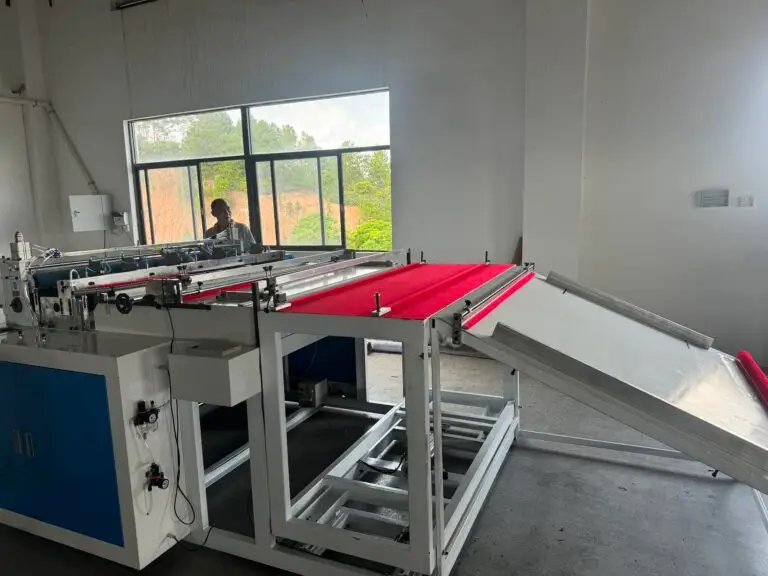
Furniture renovation is the process of updating old furniture by improving its surface, appearance, or minor damage instead of replacing it. It is a practical, budget-friendly way to refresh your home using simple methods like cleaning, painting, or applying decorative films. This approach helps extend furniture life while creating a more modern and personalized look.
What Furniture Renovation Really Means
Furniture renovation focuses on updating the visible surface of furniture rather than rebuilding it.
In everyday life, this could mean:
- Covering scratches on a table
- Updating an old cabinet with a new finish
- Matching furniture with a new interior style
It is widely used in:
- Home improvement projects
- Interior decoration
- Furniture surface upgrades
Instead of discarding usable furniture, renovation gives it a second life with less cost and effort.
How Furniture Renovation Works
Most renovation methods focus on improving or covering the furniture surface.
Common approaches:
- Cleaning and repairing small imperfections
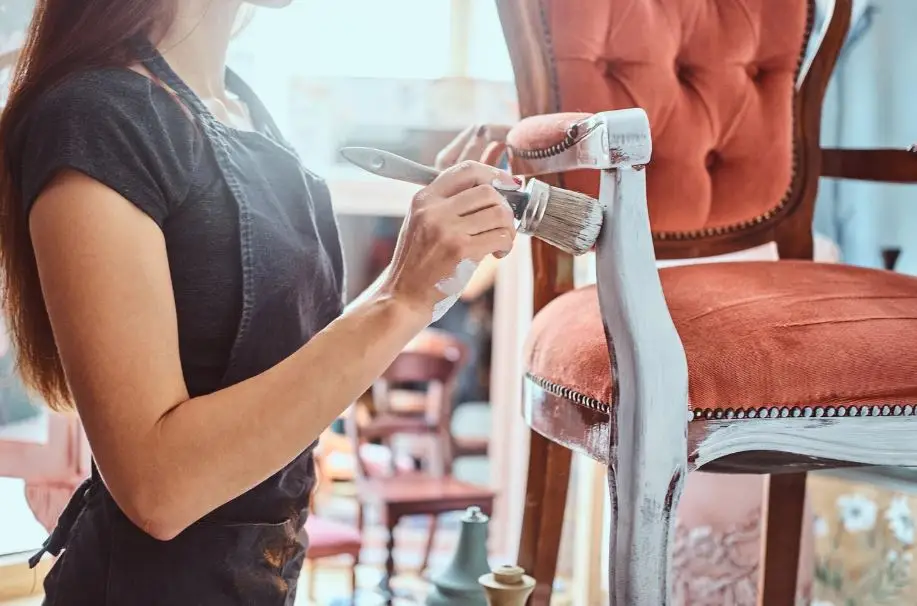
- Applying paint for a new color
- Using decorative films to cover surfaces
- Replacing handles or small components
Example with decorative film:
Decorative films are thin layers that can be applied directly onto surfaces like wood, MDF, or laminate.
They work by:
- Sticking to the surface (often peel-and-stick)
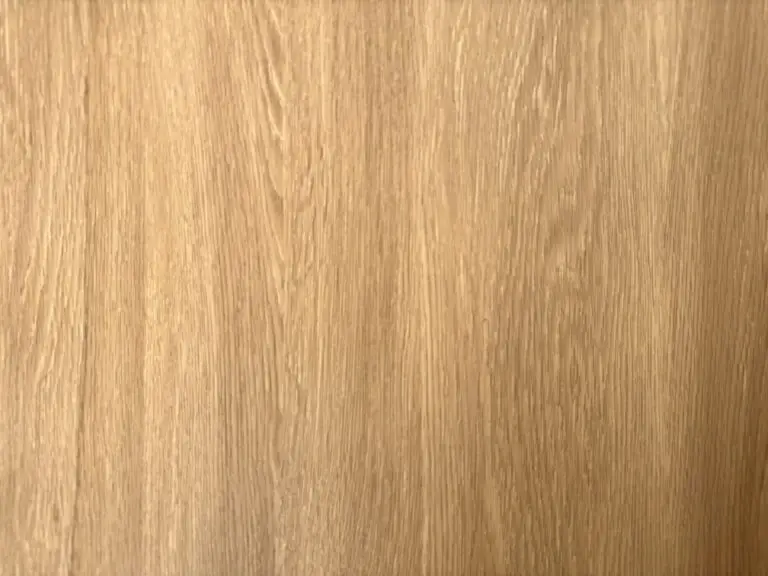
- Creating a new visible finish (like wood, marble, or solid color)
- Protecting the original surface underneath
These materials are commonly used in furniture and interior projects because they are:
- Easy to apply for beginners
- Suitable for large and small surfaces
- Available in many styles, which helps match different home designs
- Safe for indoor environments when made with compliant materials
This makes them especially useful for people who want a quick visual upgrade without complex tools.
Pros and Cons of Furniture Renovation
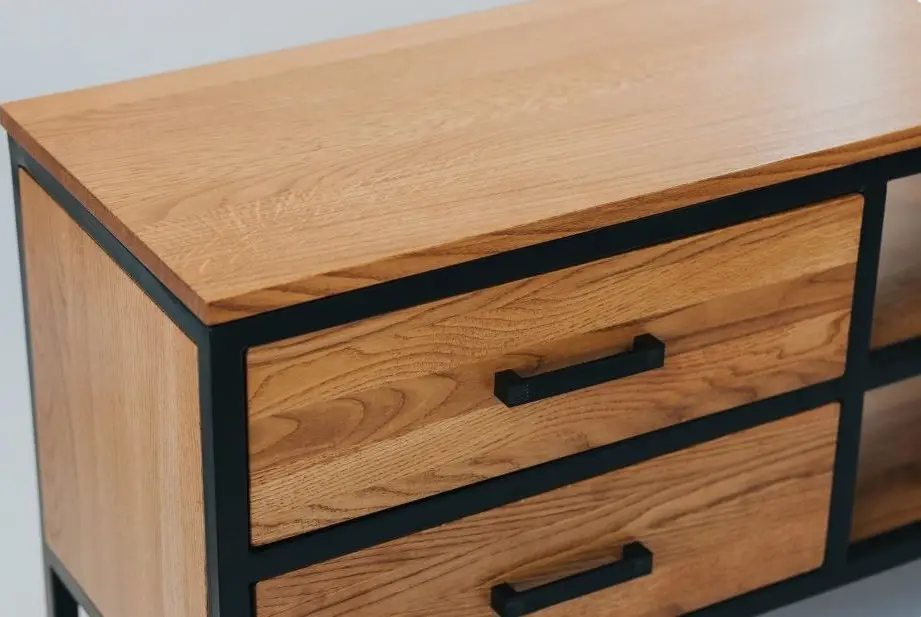
Pros
- Cost-effective compared to buying new furniture
- Easy to start, even for beginners
- Fast results, often within a short time
- Flexible design options for different styles
- Can improve both appearance and surface protection
Cons
- Not suitable for severely damaged furniture
- Some methods require careful surface preparation
- Durability depends on the material and application quality
- May need replacement after several years of use
Best Use Cases for Furniture Renovation
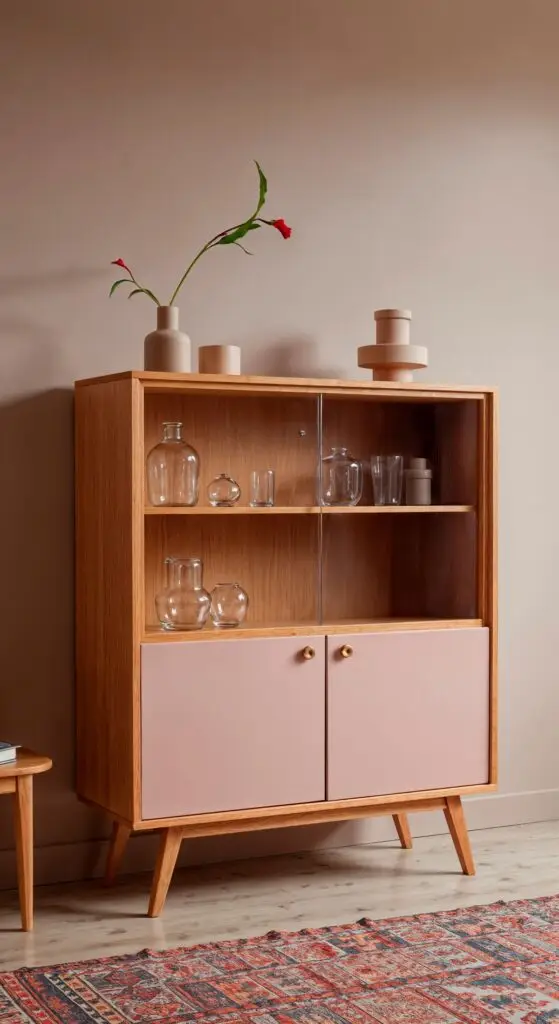
Furniture renovation works best when the structure is still good, but the surface looks outdated or worn.
Common scenarios:
- Kitchen cabinets that look old or scratched
- Bedroom wardrobes that need a modern finish
- Living room tables with surface wear
- Rental homes where permanent changes are not allowed
- DIY projects for beginners
In many homes, renovation is a practical way to refresh furniture without disrupting daily life.
PVC Film vs Traditional Painting
| Aspect | PVC Film | Painting |
|---|---|---|
| Ease of use | Simple and beginner-friendly | Requires tools and skill |
| Cleanliness | Clean application, no drying mess | Can be messy |
| Time required | Fast application | Needs drying time |
| Surface finish | Smooth and consistent | Depends on technique |
| Flexibility | Often removable | Permanent |
When to choose PVC film:
- You want a quick, clean upgrade
- You prefer a smooth, even finish
- You may want to change the design later
Decorative films are commonly used in home interiors because they provide multiple design options, including wood grain, marble, and modern textures, helping users achieve different looks without changing the furniture itself.
Practical Tips for Better Results
- Clean the surface thoroughly before starting
- Ensure the surface is dry and smooth
- Apply the material slowly to avoid air bubbles
- Use simple tools like a scraper or cloth for smoothing
- Start with smaller furniture pieces if you are a beginner
Good preparation often makes the biggest difference in the final result.
FAQ: Furniture Renovation
Using peel-and-stick materials like decorative films is often the easiest method because they do not require paint, drying time, or special tools.
Yes. Light scratches and surface stains can often be covered or hidden using paint or surface films.
Yes, especially when using materials designed for interior applications. Some options are made with low-emission materials suitable for homes and families.
It depends on the material and usage, but many surface solutions are designed for long-term everyday use in homes and commercial spaces.
Many modern surface films are designed to be removable, making them suitable for renters or temporary design changes.
Common surfaces include wood, MDF, laminate, and similar smooth surfaces found in furniture like cabinets, tables, and wardrobes.
Furniture renovation is a practical way to improve your living space without replacing everything. With simple materials and a clear process, even beginners can achieve noticeable improvements while saving time and cost.
For more information about PVC film, customization options, or samples, please contact us at esther@lonmay.com.cn.