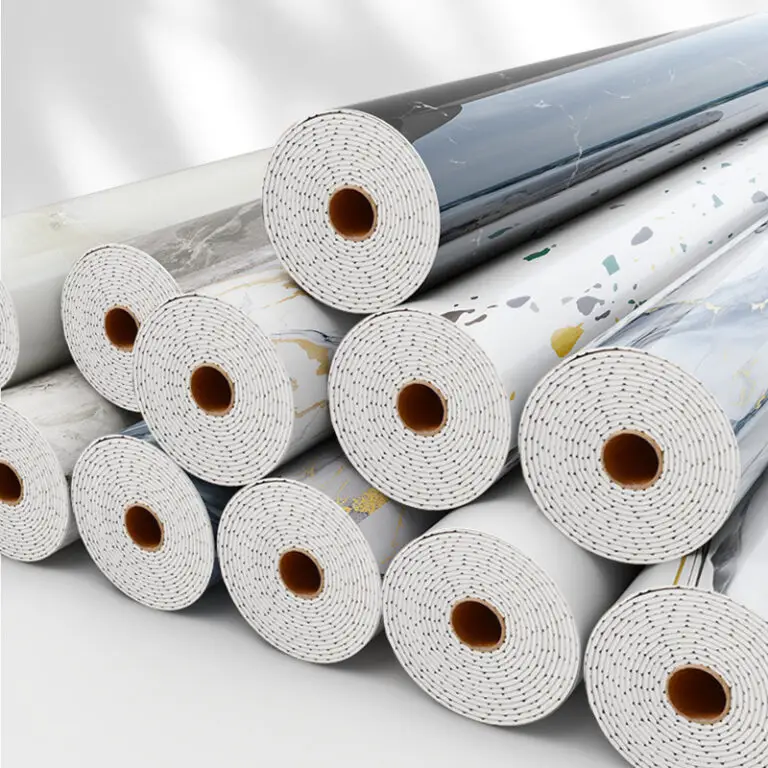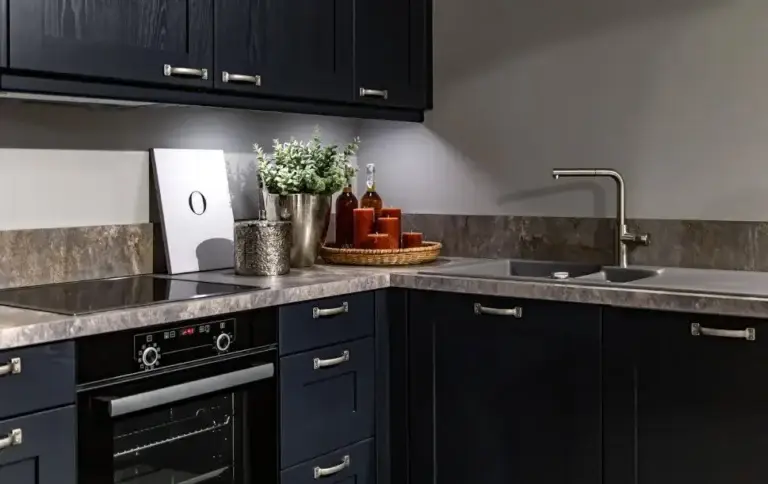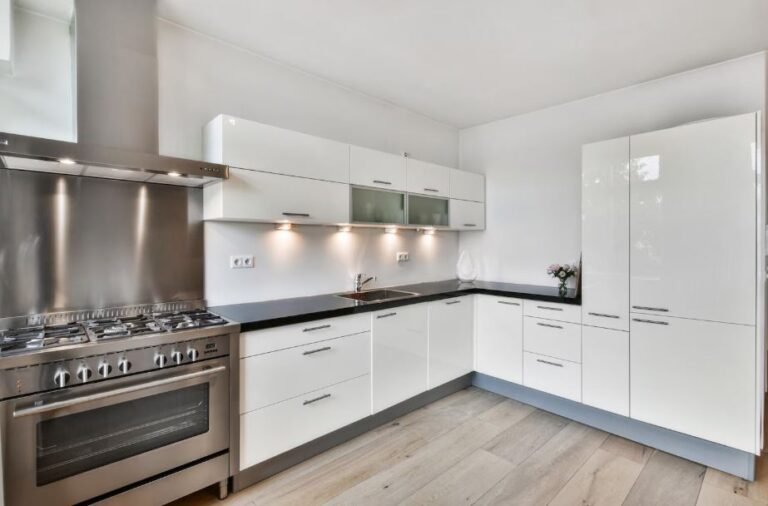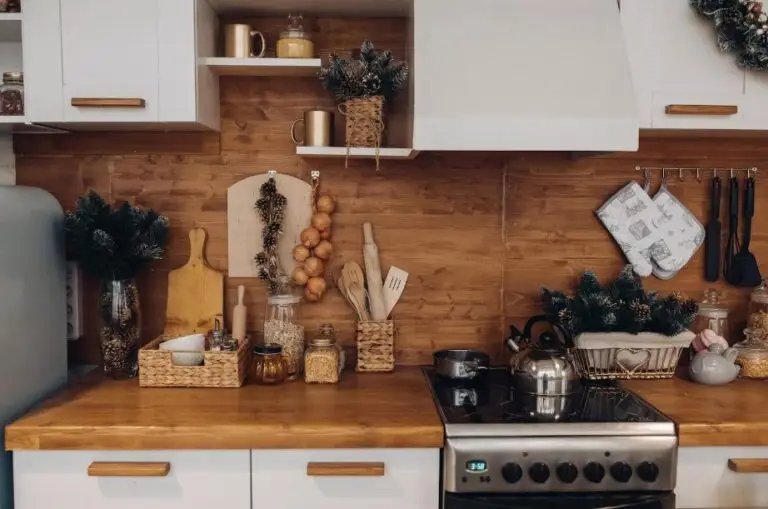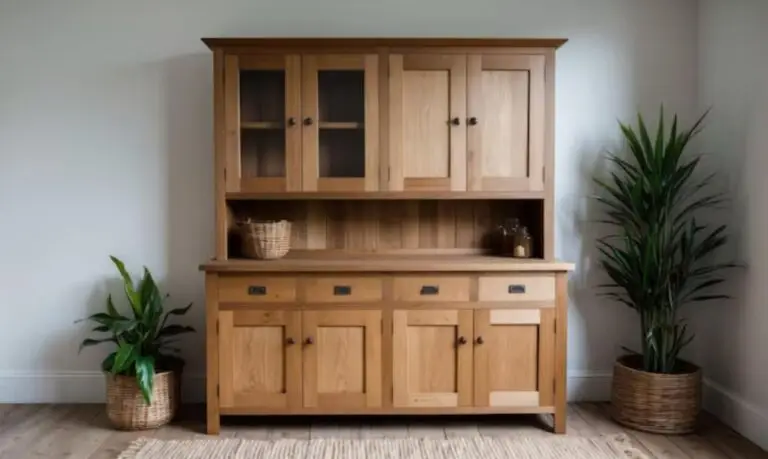
Self adhesive vinyl film is a peel-and-stick material used to upgrade surfaces like walls, furniture, and doors. In hotels, it provides a quick and cost-effective way to refresh interiors, cover wear and tear, and maintain a modern look without major renovation, making it ideal for spaces that require frequent updates and minimal downtime.
Why Self Adhesive Vinyl Film Matters for Hotels
Hotels operate in a high-use environment where surfaces wear out quickly. However, frequent full renovations are costly and can disrupt business.
Common challenges hotels face:
- Scratches on furniture from daily use
- Stained or outdated wall finishes
- Inconsistent design across rooms
- Limited time between guest check-outs and check-ins
Self adhesive vinyl film helps address these issues by allowing fast, surface-level upgrades that improve appearance without changing the structure.
For example:
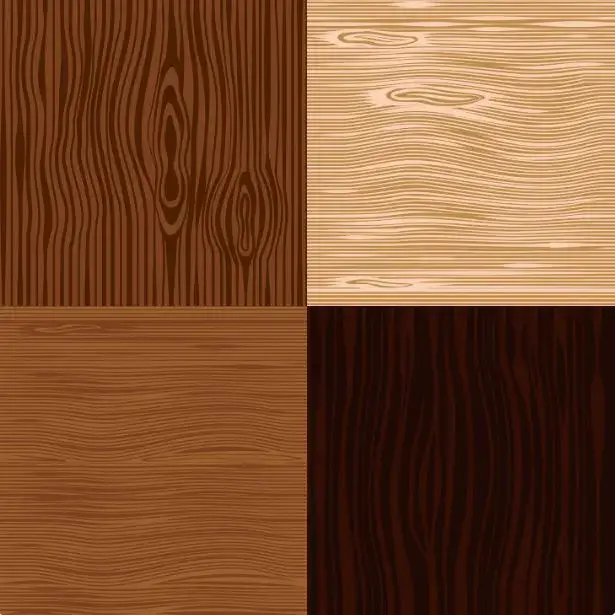
Instead of replacing a scratched wooden desk, a hotel can apply a wood-grain film to restore its look within hours.
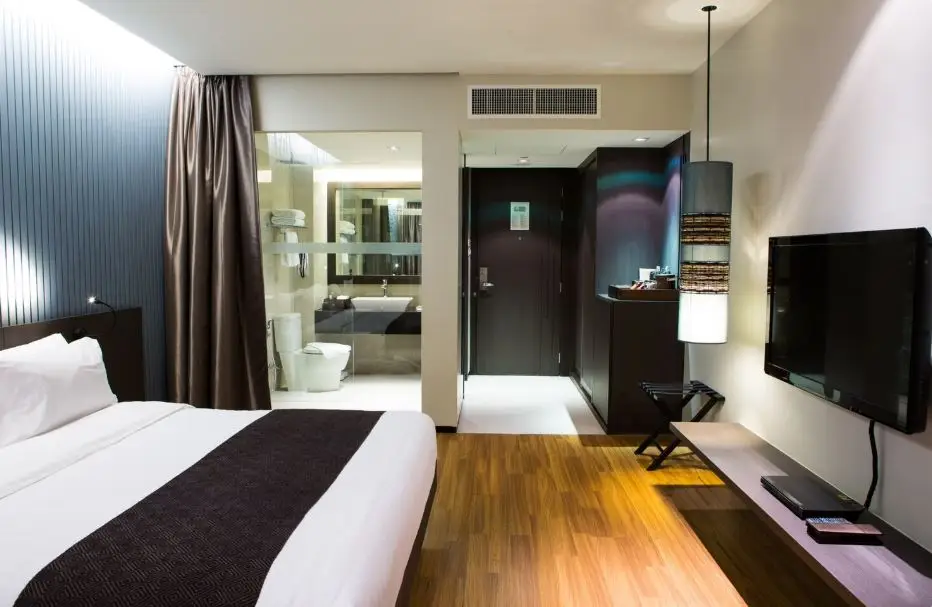
How Self Adhesive Vinyl Film Works
Self adhesive vinyl film is designed to bond directly to smooth surfaces and create a new outer layer.
Step-by-step overview:
- Surface Preparation
- Clean dust, grease, or residue
- Ensure the surface is smooth and dry
- Positioning the Film
- Measure and cut to size
- Align carefully before sticking
- Application
- Peel off the backing layer
- Apply gradually while smoothing out air bubbles
- Finishing Touches
- Trim edges neatly
- Press firmly for better adhesion
What makes it effective:
- It covers imperfections like scratches or discoloration
- It changes the visual style instantly
- It adds a protective layer against further wear
In many renovation projects, these films are used because they combine ease of use with consistent results, even for large surface areas.
Best Use Cases in Hotels
Self adhesive vinyl film is especially useful in areas where appearance matters and wear is frequent.
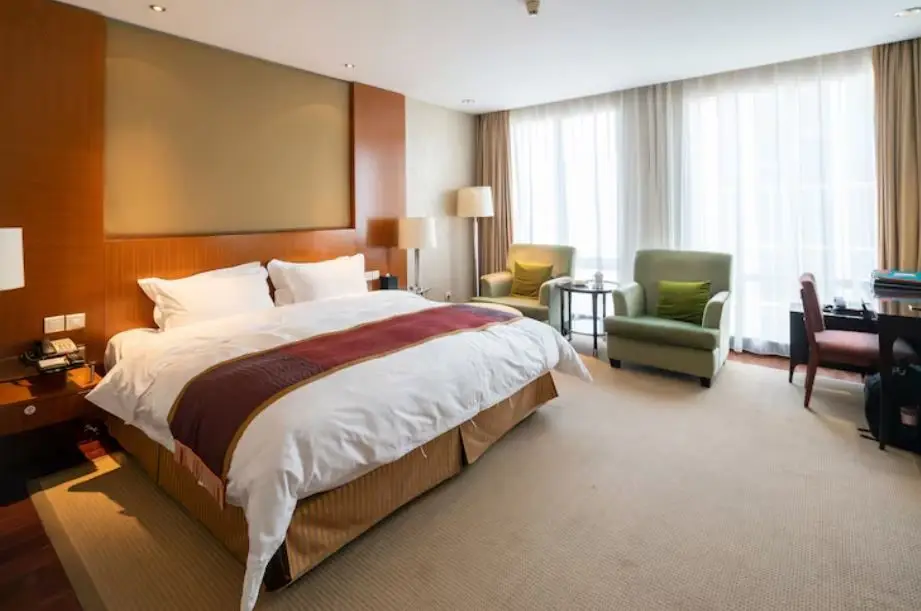
Guest Rooms
- Wardrobes, desks, and bedside tables
- TV panels or decorative wall sections
Example:
A dated laminate wardrobe can be transformed into a modern wood-look finish without replacing it.
Public Areas
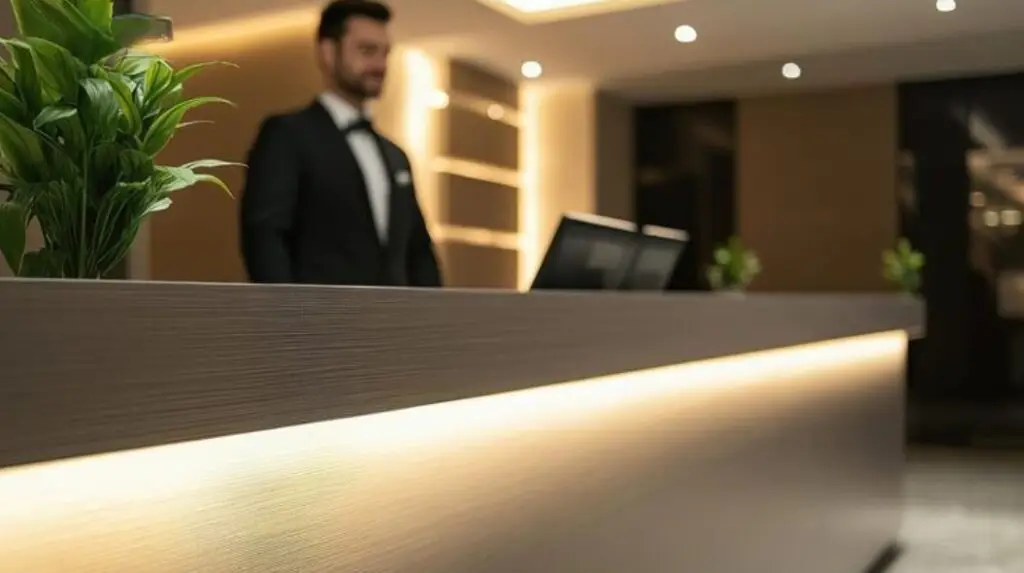
- Reception desks and counters
- Elevator interiors
- Hallway wall sections
These areas benefit from materials that are:
- Easy to clean
- Resistant to daily contact
- Visually consistent with brand style
Doors and High-Touch Surfaces
- Room doors with scratches
- Cabinet doors in service areas
Instead of repainting repeatedly, films can provide a longer-lasting surface finish.
Dining & Commercial Spaces
- Bar counters
- Decorative wall panels
- Partition surfaces
Some materials used in these environments are designed with enhanced safety features, such as resistance to heat or easier cleaning, which is helpful in hospitality settings.
Pros and Cons for Hotel Use
Advantages
- Fast installation
Rooms can often be updated within a short time - Cost-efficient
Reduces the need for replacing furniture or panels - Design flexibility
Wide range of finishes like wood grain, marble, or modern textures - Low maintenance
Surfaces are easy to wipe and keep clean - Consistent results
Provides a uniform appearance across multiple rooms
Limitations
- Not suitable for heavily damaged or uneven surfaces
- Requires careful installation for a smooth finish
- Edges may wear over time in high-contact areas
- Needs periodic replacement depending on usage
Self Adhesive Vinyl Film vs Wallpaper in Hotels
| Aspect | Vinyl Film | Wallpaper |
|---|---|---|
| Durability | High, suitable for frequent contact | Moderate |
| Cleaning | Easy to wipe | Can be harder to clean |
| Installation | Quick and simple | May require glue and more time |
| Surface protection | Yes | Limited |
| Best use | Furniture, doors, high-touch areas | Decorative wall sections |
Practical insight:
- Use vinyl film for areas that need durability and easy maintenance
- Use wallpaper for decorative, low-contact spaces like feature walls
Practical Tips for Hotel Renovation Projects
- Focus on high-visibility areas first (reception, guest rooms)
- Choose designs that match the hotel’s branding for consistency
- Test the material on a small section before full application
- Use neutral or timeless finishes for longer usability
- Plan installation during low occupancy periods
Many decorative films used today offer a wide variety of design options, making it easier to align with different interior styles. Some are also developed for safe indoor use, which is important in environments where guests stay for extended periods.
FAQ: Self Adhesive Vinyl Film for Hotels
Yes. Many films are designed for frequent use and can handle daily contact when properly applied.
Yes. Compared to traditional renovation, installation is much faster, which helps reduce room downtime.
Most modern decorative films are made for interior use and are suitable for spaces where people stay and interact daily.
Yes. It can be applied to surfaces like wood, laminate, and metal commonly found in hotel furniture.
Regular cleaning with a soft cloth is usually enough to keep the surface in good condition.
Yes. Many films can be removed and replaced, allowing hotels to refresh their interiors without major renovation.
Self adhesive vinyl film offers hotels a practical way to maintain a clean, modern, and consistent interior. By focusing on surface upgrades rather than full replacement, it helps balance cost, efficiency, and guest experience.
Looking to refresh your hotel interiors quickly and efficiently? Contact esther@lonmay.com.cn for practical advice and surface upgrade ideas tailored to your project.