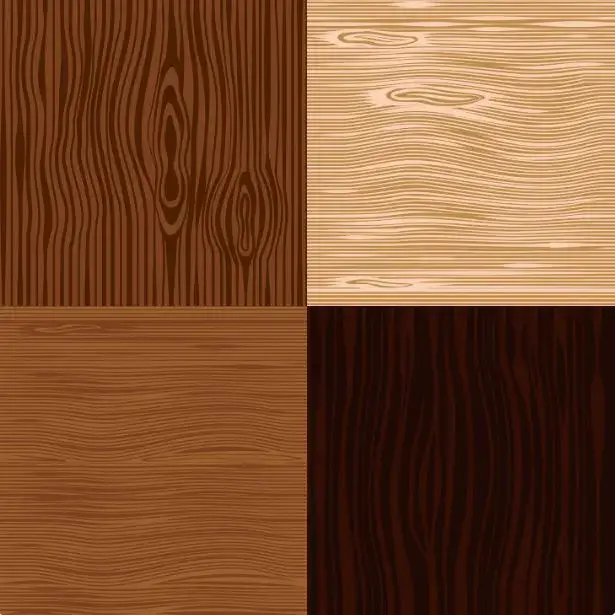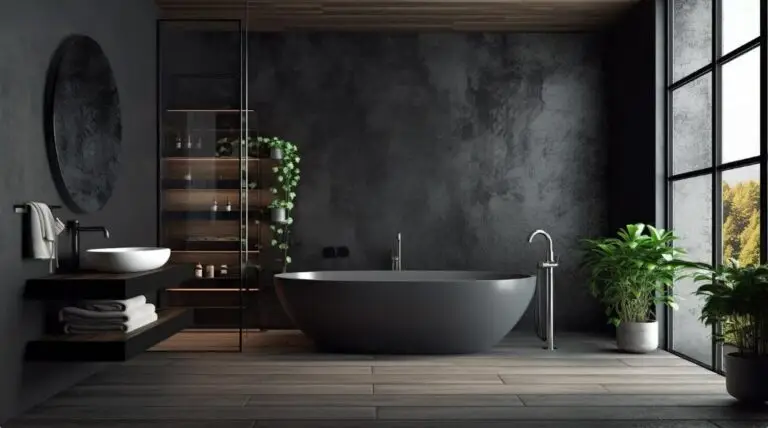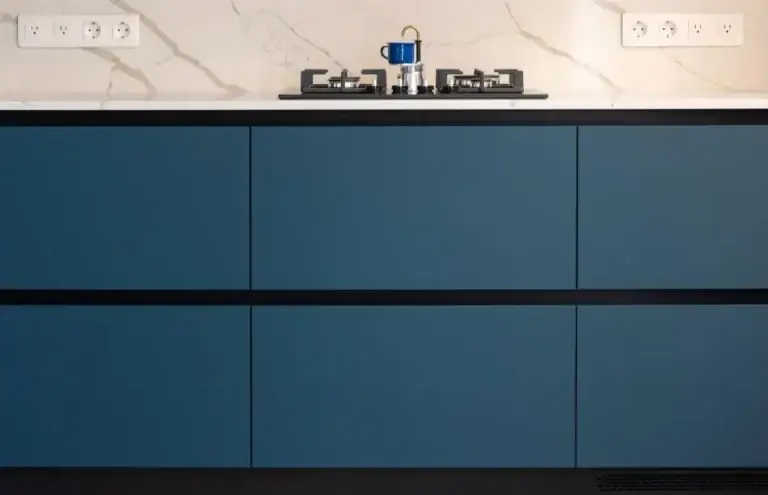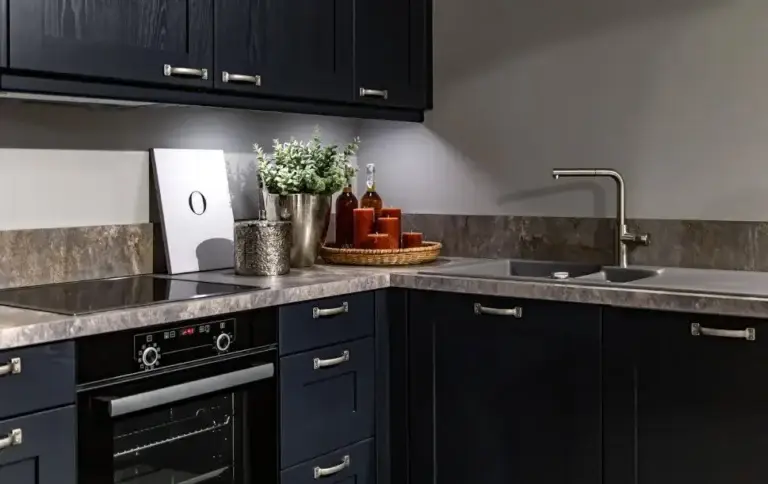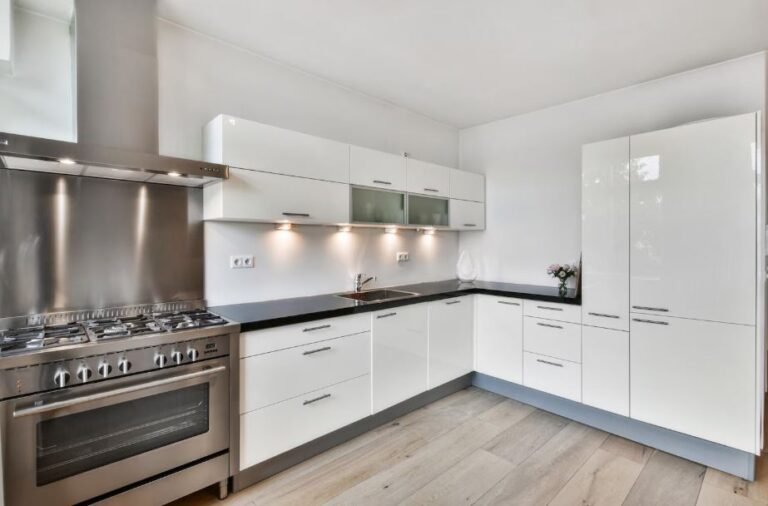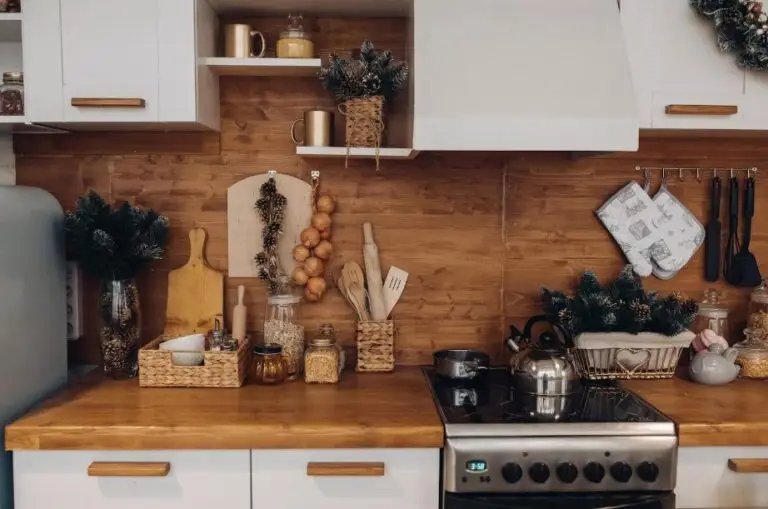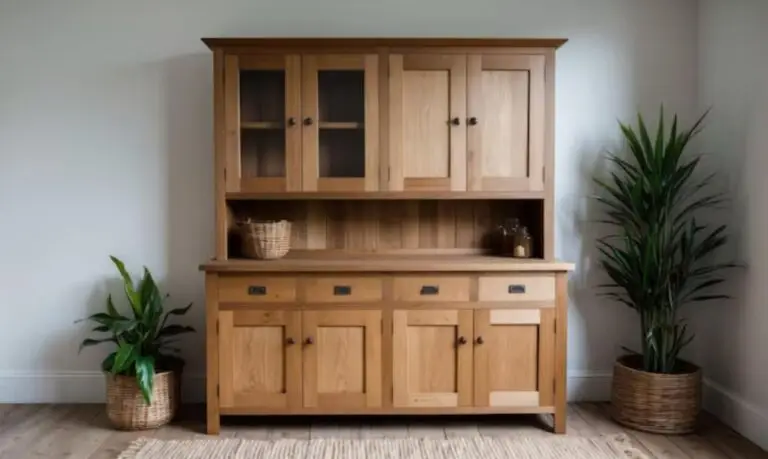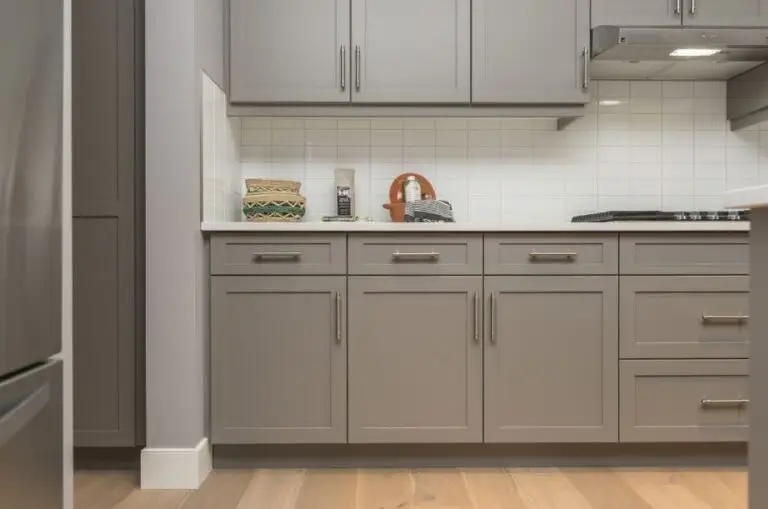
The popularity of PVC decorative films comes from their ability to replicate natural materials such as wood, marble, stone, and metal while offering greater flexibility, lower costs, and easier processing than traditional materials.
However, not all PVC decorative films are the same. Different film types are designed for different applications, manufacturing processes, and performance requirements. Understanding these differences is essential for furniture manufacturers, interior designers, contractors, and distributors looking to select the most suitable decorative solution.
In this guide, we will explore the main types of PVC decorative films, how they are categorized, and which applications they are best suited for.
What Is PVC Decorative Film?
PVC decorative film is a flexible surface finishing material made from polyvinyl chloride (PVC). It is designed to be applied to substrates such as MDF, plywood, particleboard, metal, glass, and other surfaces to improve appearance and provide additional protection.
Modern PVC decorative films typically consist of multiple layers, including:
- Decorative printed layer
- Surface protection layer
- Base PVC layer
- Adhesive or laminating layer (depending on application)
These films can reproduce a wide range of visual effects, including:
- Natural wood grain
- Marble and stone textures
- Solid colors
- Metallic finishes
- Embossed surface patterns
Because of their versatility, PVC decorative films are widely used across residential, commercial, hospitality, and public infrastructure projects.
Types of PVC Decorative Films by Application
One of the most practical ways to classify PVC decorative films is by their intended application.
Different environments place different demands on decorative surfaces, making certain film types more suitable than others.
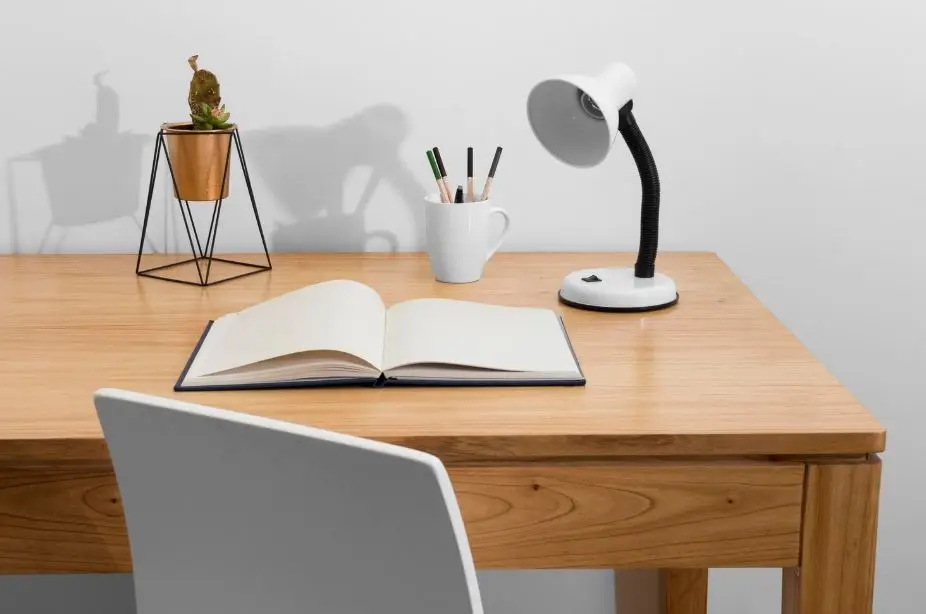
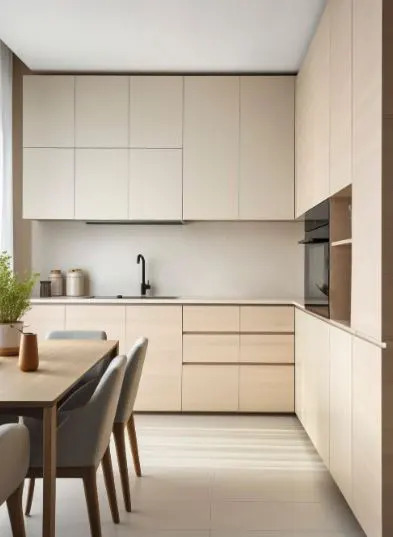
Furniture PVC Decorative Films
Furniture PVC films are specifically developed for furniture manufacturing and surface finishing.
Common applications include:
- Kitchen cabinets
- Wardrobes
- Office furniture
- Tables and desks
- Shelving systems
- Furniture panels
These films are designed to provide an attractive appearance while resisting everyday wear and tear.
Key characteristics include:
- Good abrasion resistance
- Consistent decorative appearance
- Easy maintenance
- Wide design selection
Furniture films are among the most commonly used decorative films in both residential and commercial interiors.
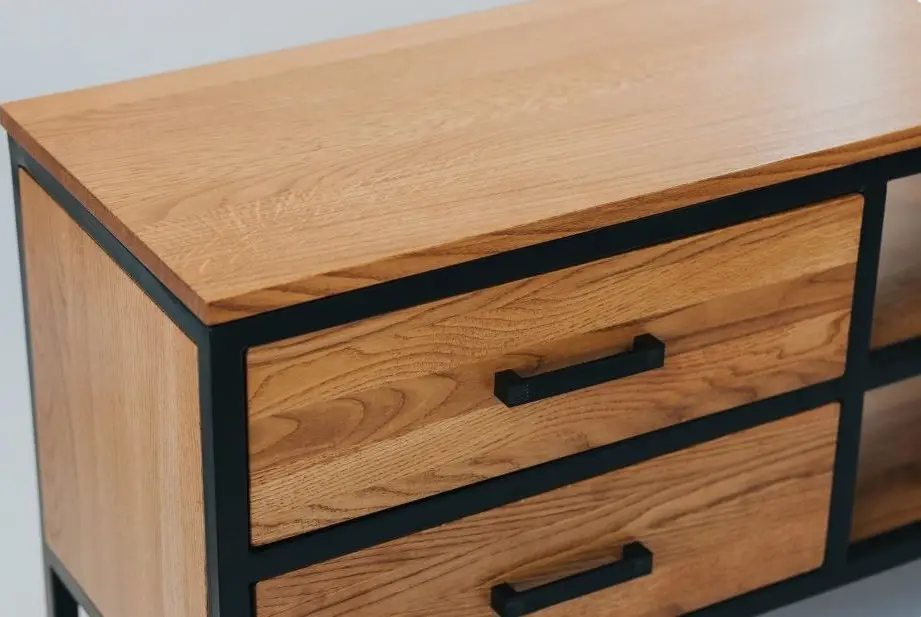
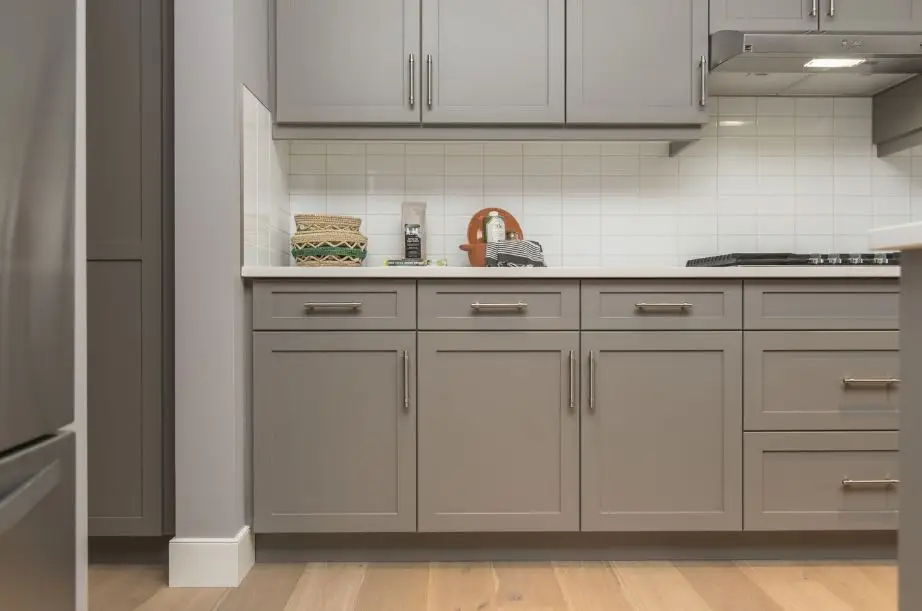
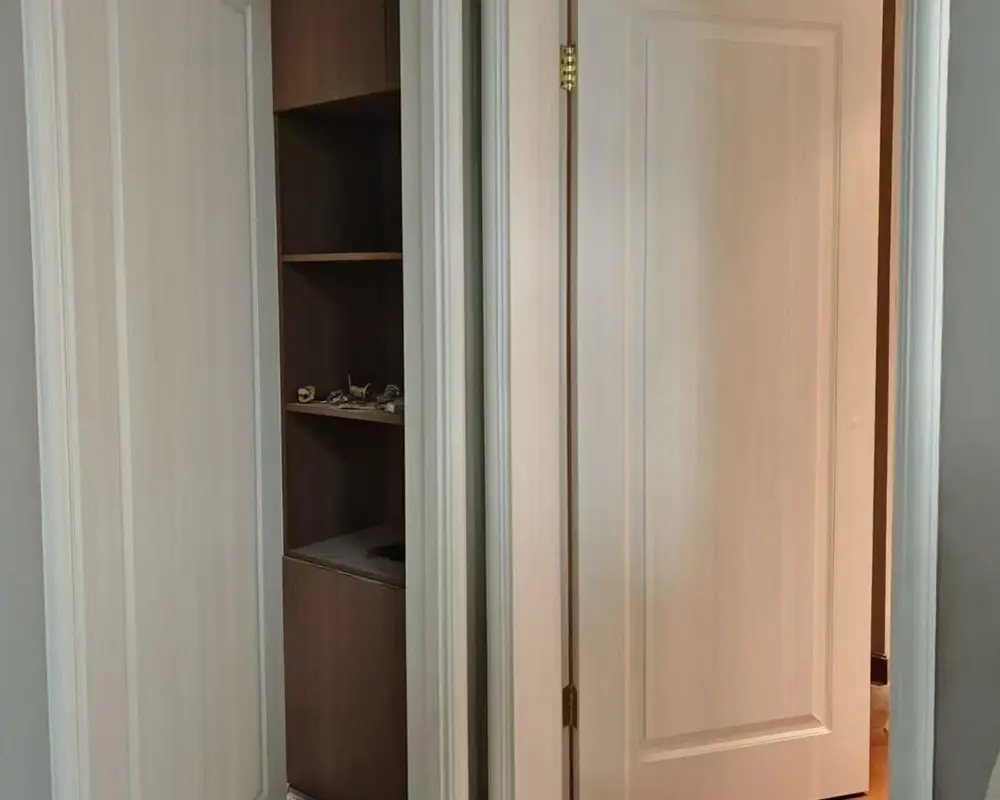
Door and Cabinet PVC Films
Cabinet and door surfaces experience frequent contact, making durability an important consideration.
PVC films used for cabinet doors and interior doors typically offer:
- Enhanced scratch resistance
- Improved stain resistance
- Easy cleaning properties
- Long-term decorative stability
Applications include:
- Kitchen cabinet doors
- Wardrobe doors
- Interior room doors
- Bathroom cabinets
- Storage units
Many modern cabinet manufacturers use PVC films to achieve premium wood grain or painted-door appearances while maintaining manufacturing efficiency.
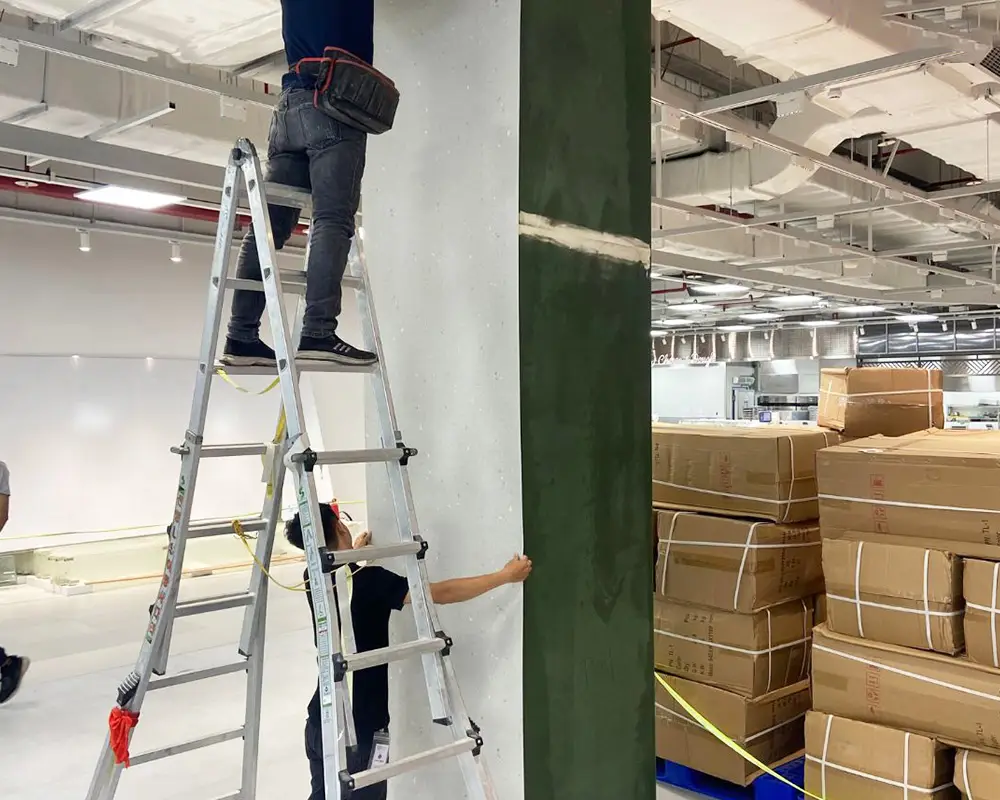
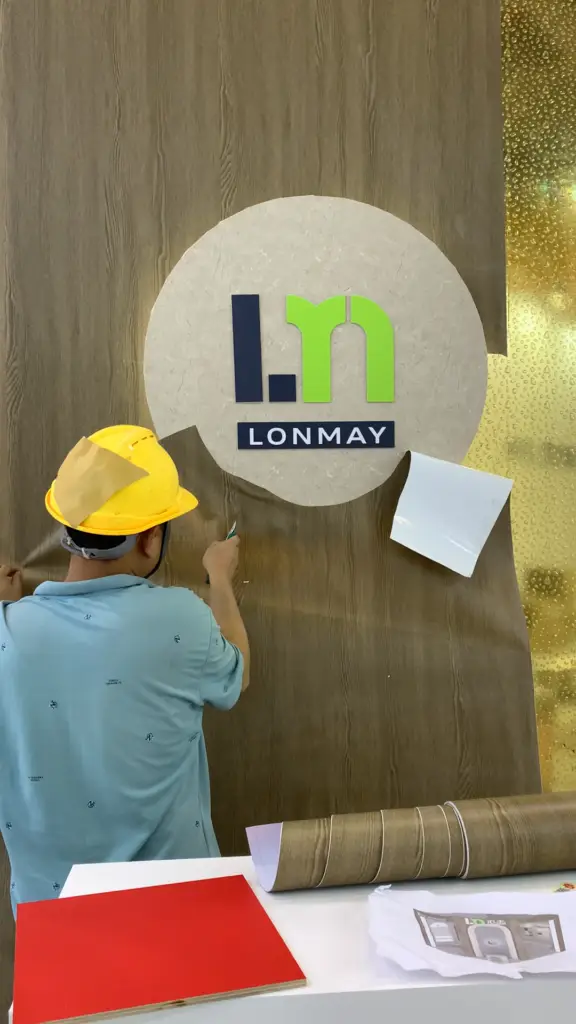
Wall Decorative Films
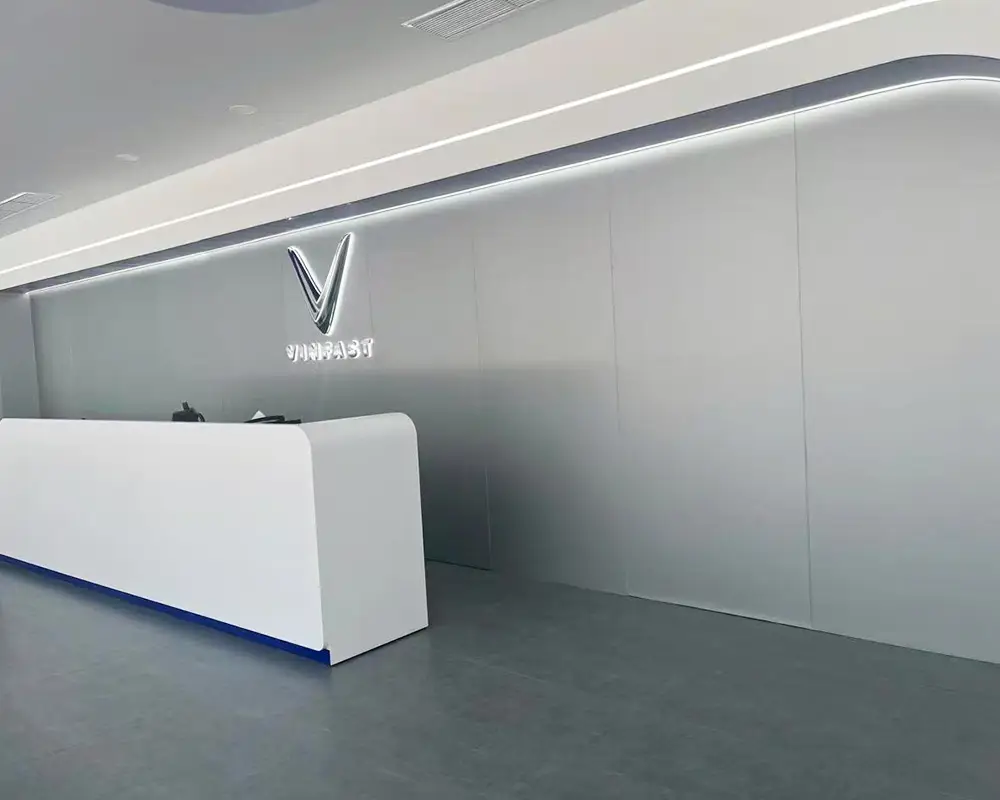
Wall decorative films have become increasingly popular in renovation and commercial interior projects.
Instead of replacing wall materials or using traditional decorative finishes, designers can apply decorative film directly to suitable surfaces.
Common applications include:
- Feature walls
- Hotel interiors
- Office spaces
- Retail environments
- Commercial buildings
- Residential accent walls
Benefits include:
- Faster renovation
- Reduced construction waste
- Lower project costs
- Greater design flexibility
Wall decorative films are often chosen for projects requiring quick upgrades without extensive remodeling.
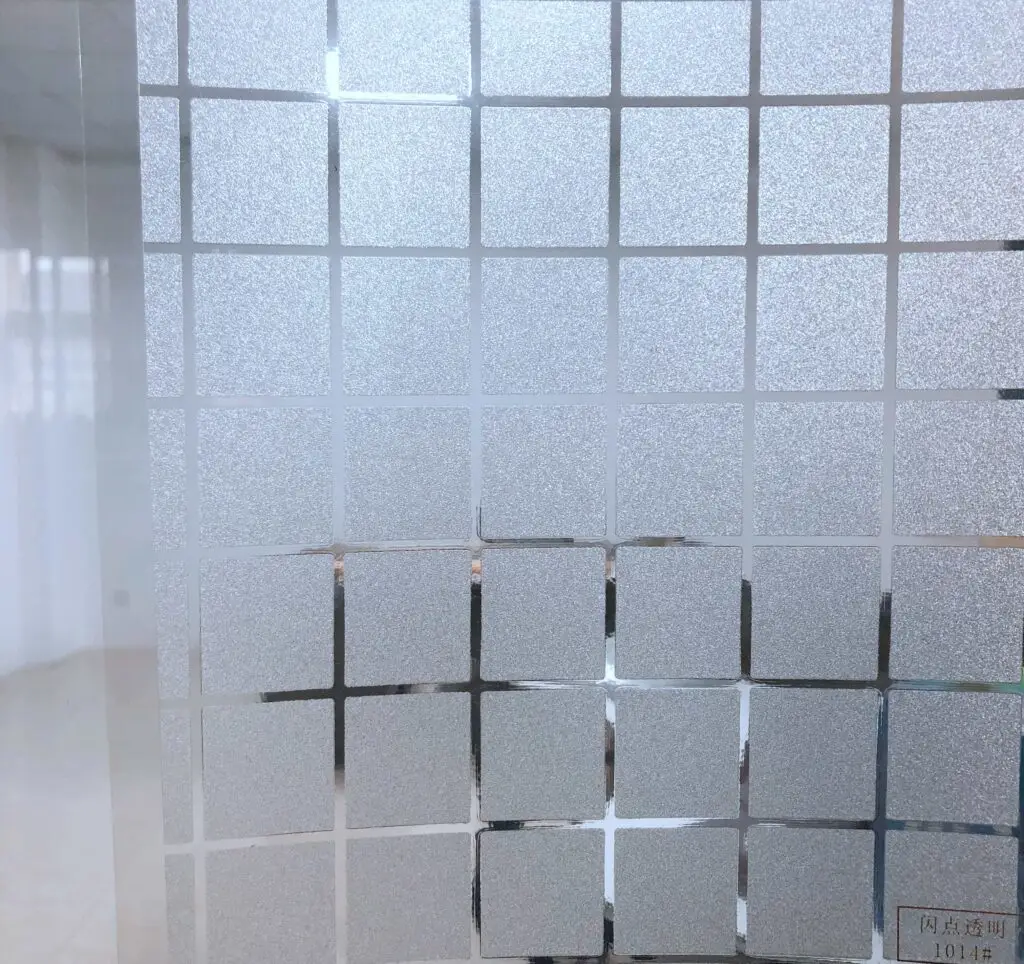
Window and Glass Decorative Films
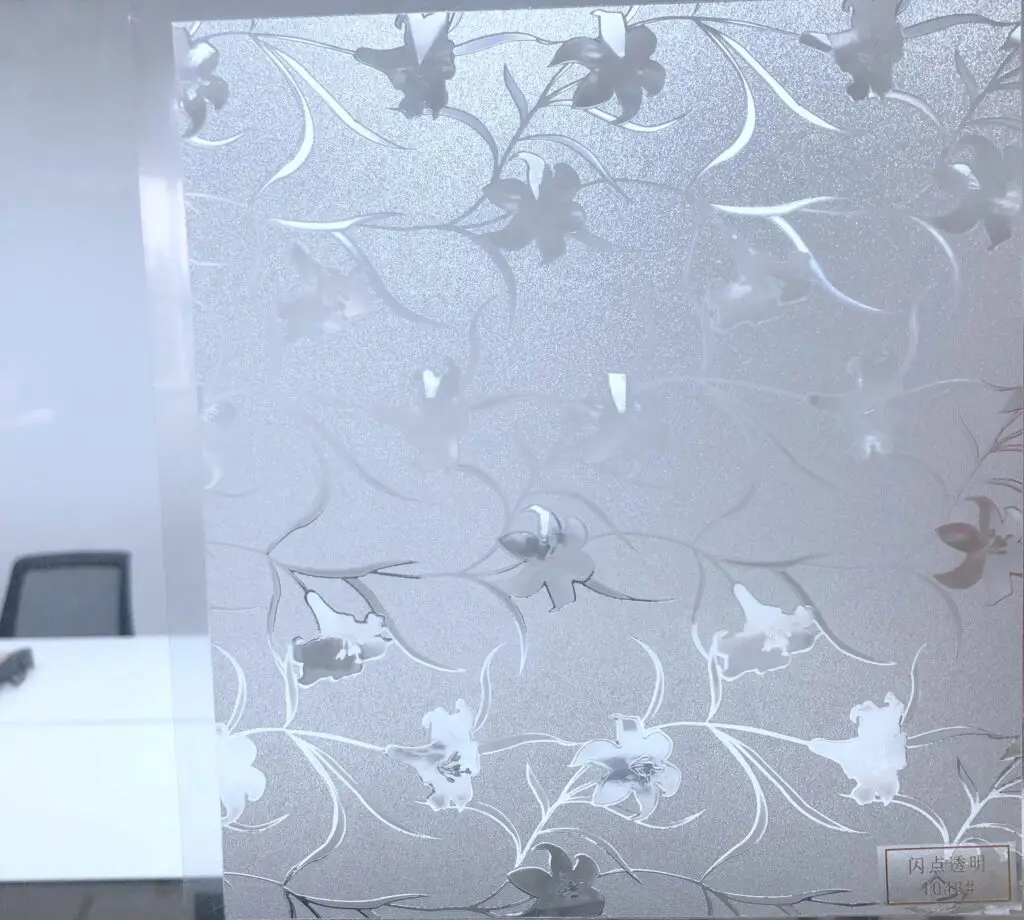
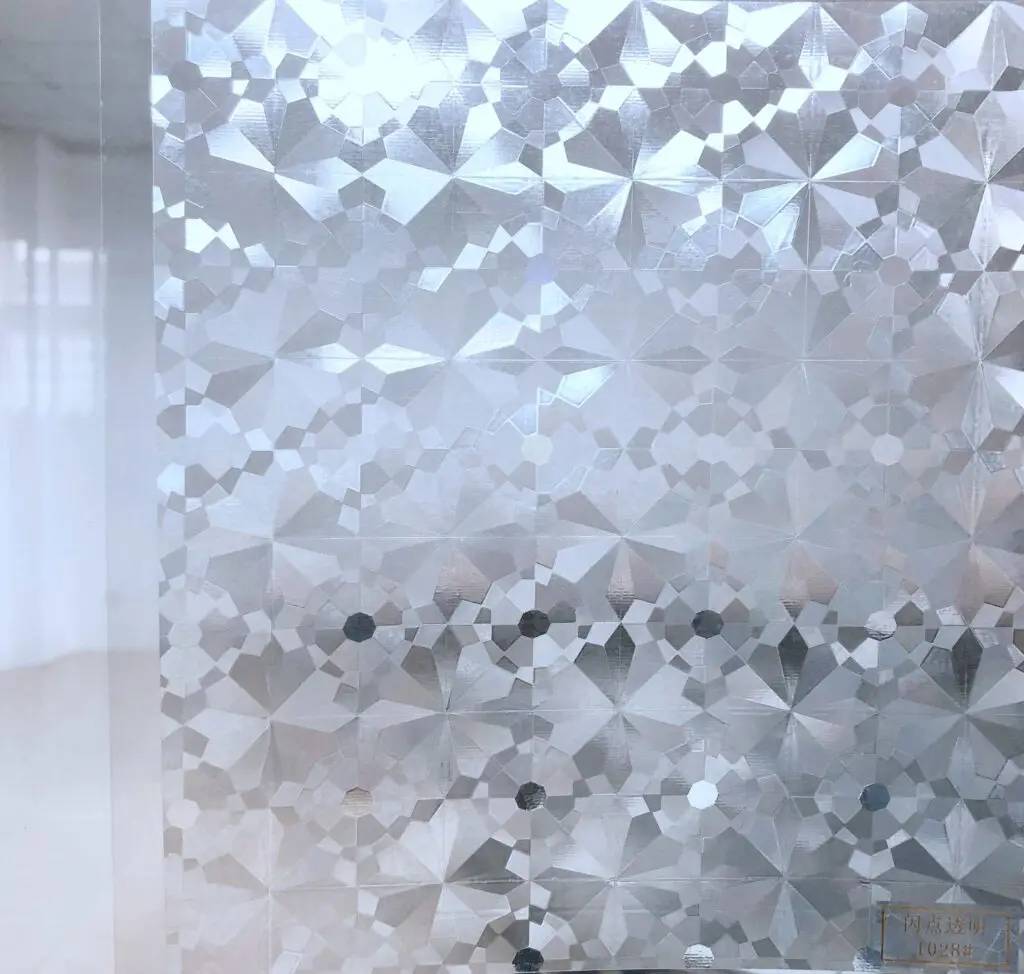
PVC decorative films can also be applied to glass surfaces for both decorative and functional purposes.
Applications include:
- Office glass partitions
- Meeting rooms
- Retail storefronts
- Residential windows
- Hotel glass surfaces
These films can provide:
- Decorative effects
- Enhanced privacy
- Visual branding opportunities
- Improved interior aesthetics
Glass decorative films are commonly used in modern office and commercial design projects where both appearance and functionality are important.
Types of PVC Decorative Films by Surface Finish
Another common classification method focuses on the decorative appearance of the film itself.
This is often the first category buyers consider because the finish directly influences the final visual effect.
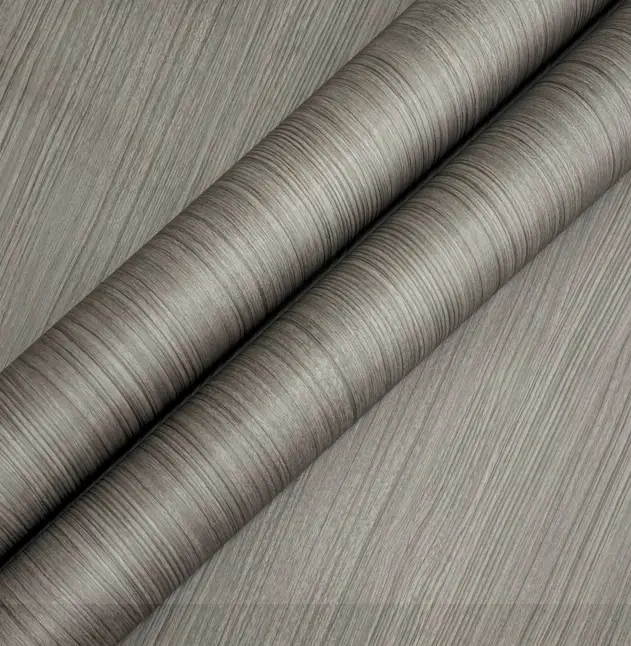
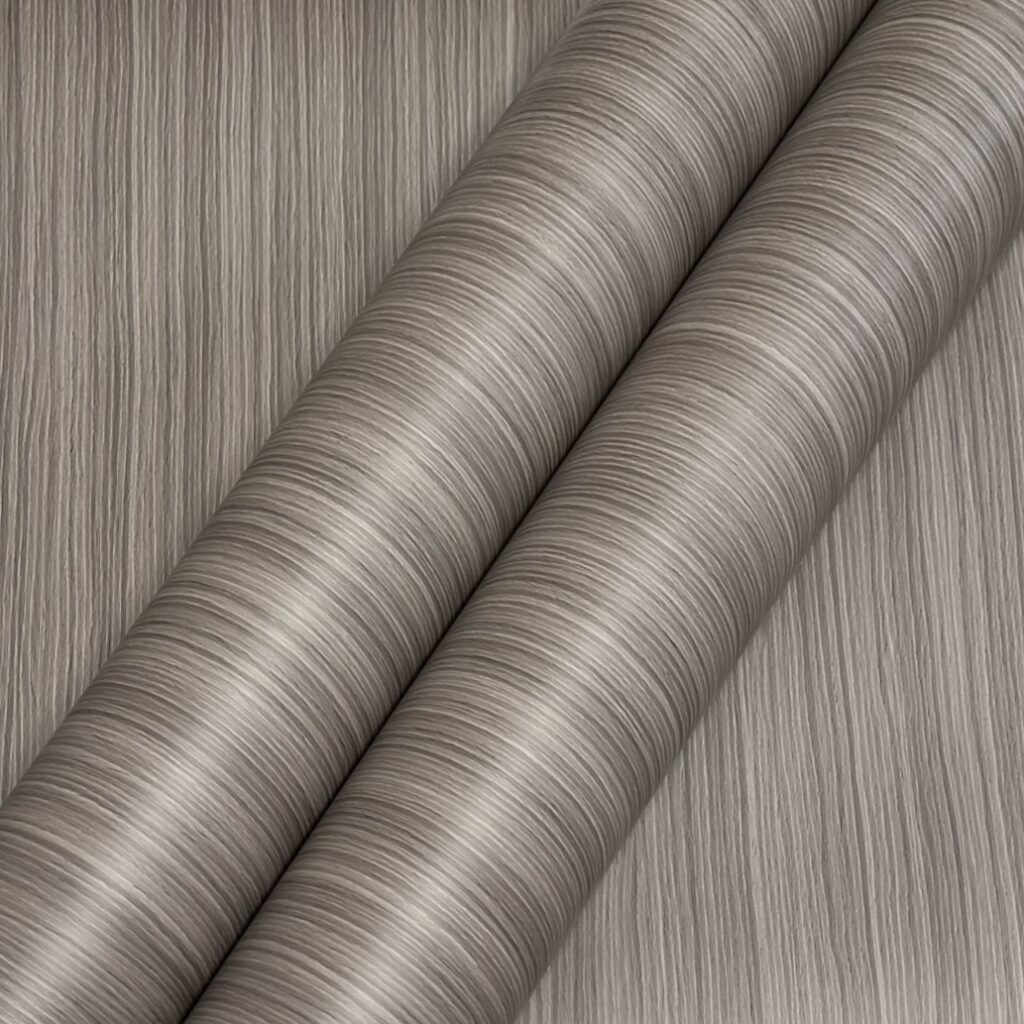
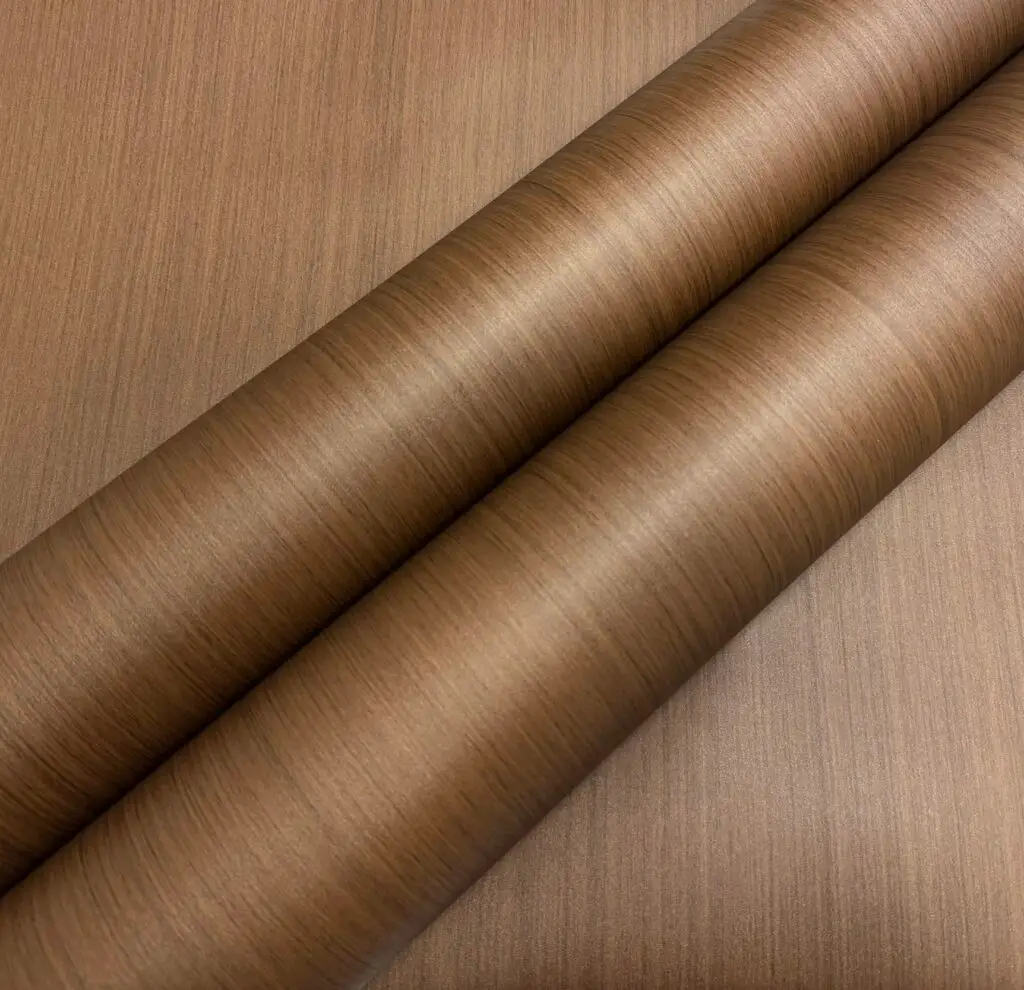
Wood Grain PVC Films
Wood grain PVC films are among the most popular decorative film categories worldwide.
They are designed to replicate the appearance and texture of natural wood while offering greater consistency and lower maintenance requirements.
Popular wood grain designs include:
- Oak
- Walnut
- Ash
- Maple
- Teak
- Cherry
Wood grain films are widely used in:
- Kitchen cabinets
- Wardrobes
- Office furniture
- Wall panels
- Interior doors
The latest production technologies allow manufacturers to create highly realistic wood textures that closely resemble natural timber.
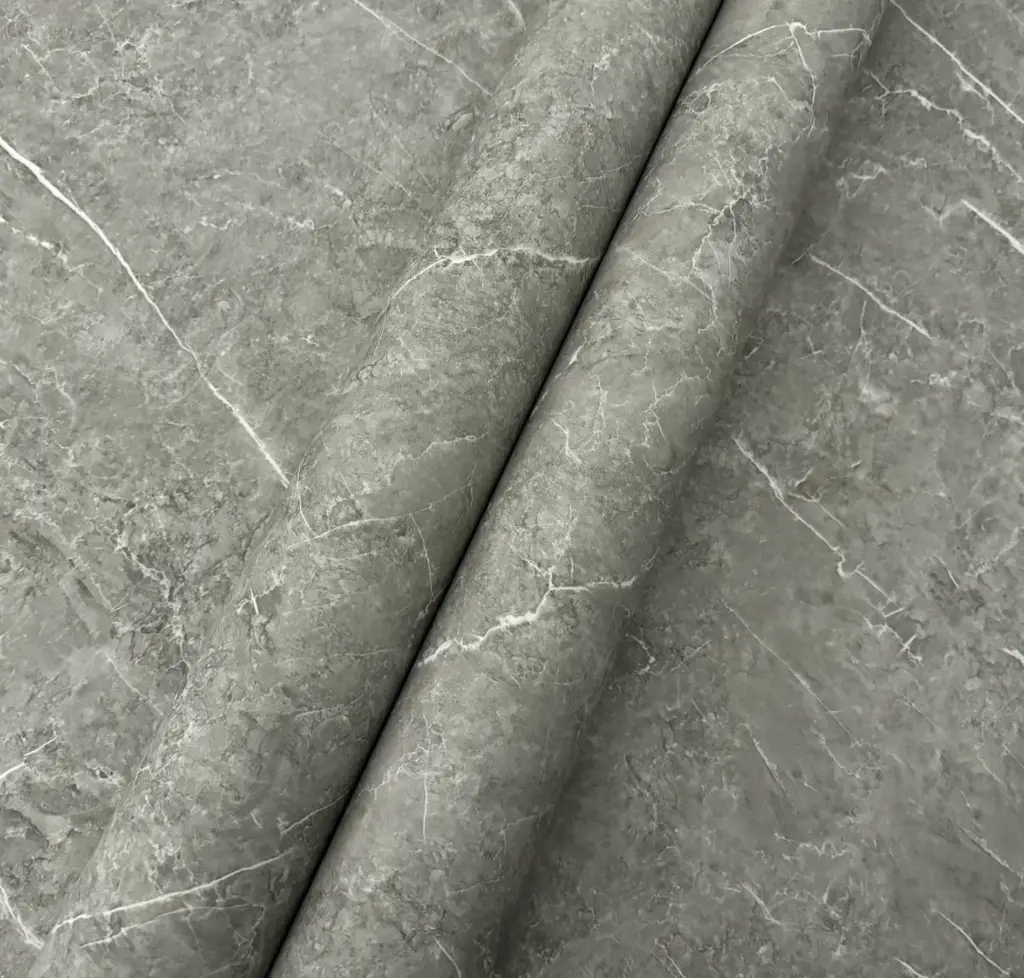
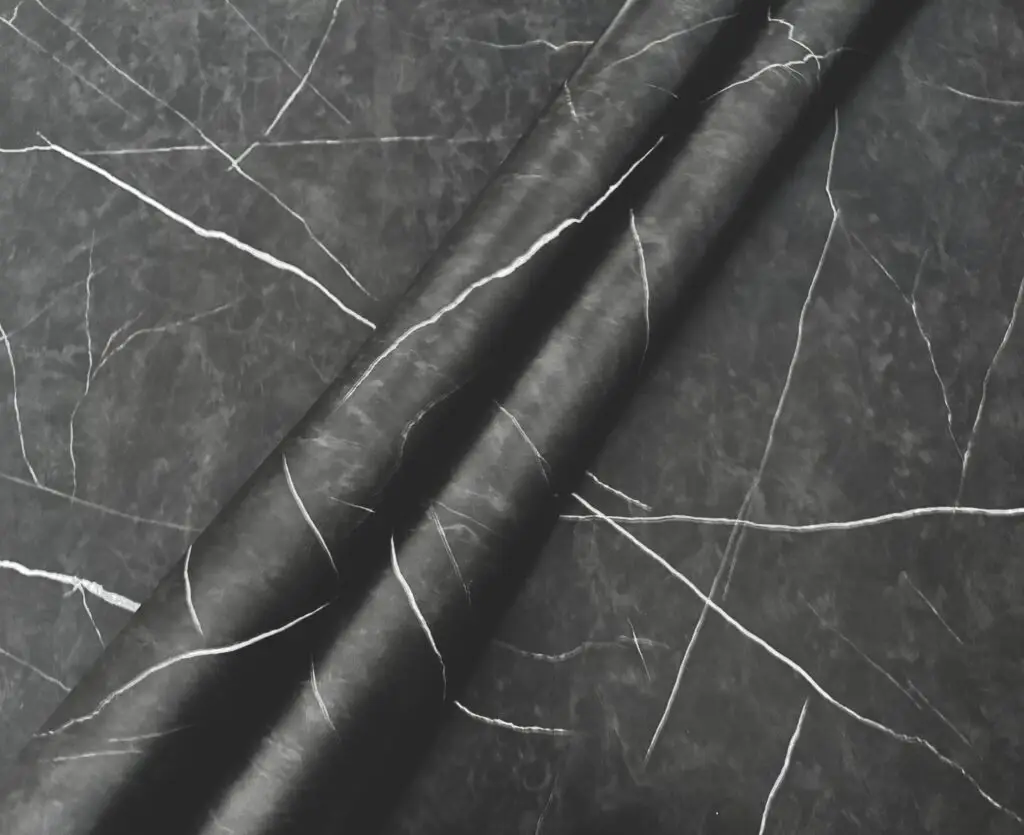
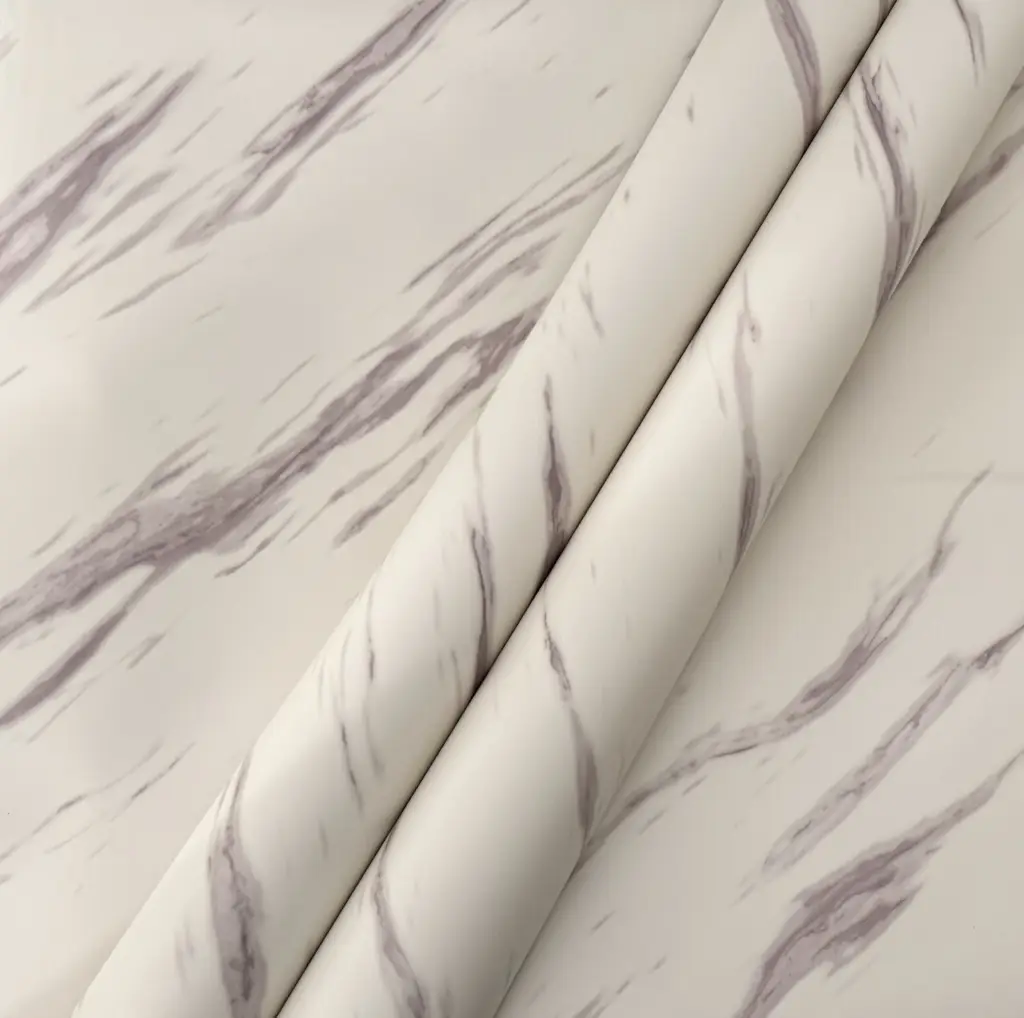
Marble PVC Films
Marble decorative films replicate the luxurious appearance of natural stone while eliminating many of the limitations associated with marble surfaces.
Common uses include:
- Furniture surfaces
- Countertops
- Wall decoration
- Commercial interiors
- Hotel projects
Advantages include:
- Lower cost than natural stone
- Consistent patterns
- Easier processing
- Reduced weight
Marble-effect decorative films remain a popular choice for modern and contemporary interior designs.
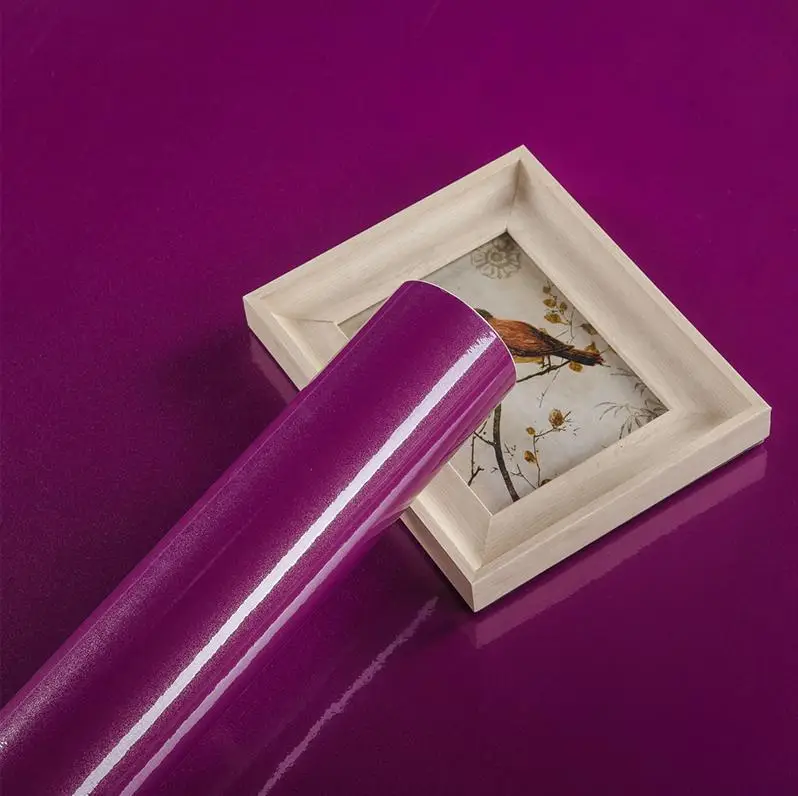
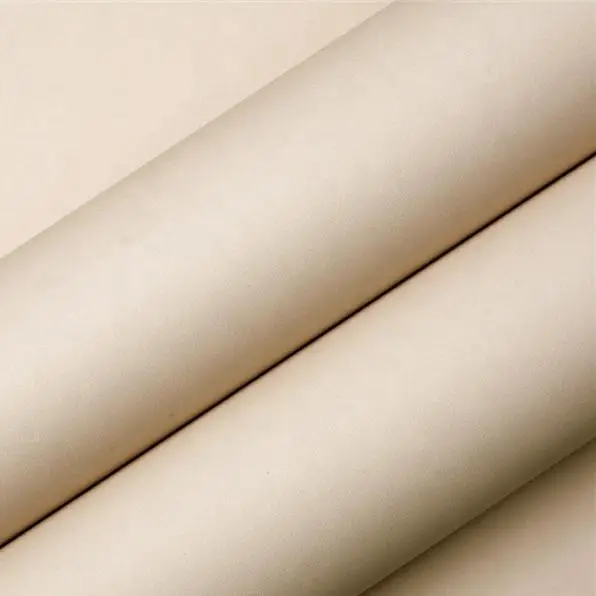
Solid Color PVC Films
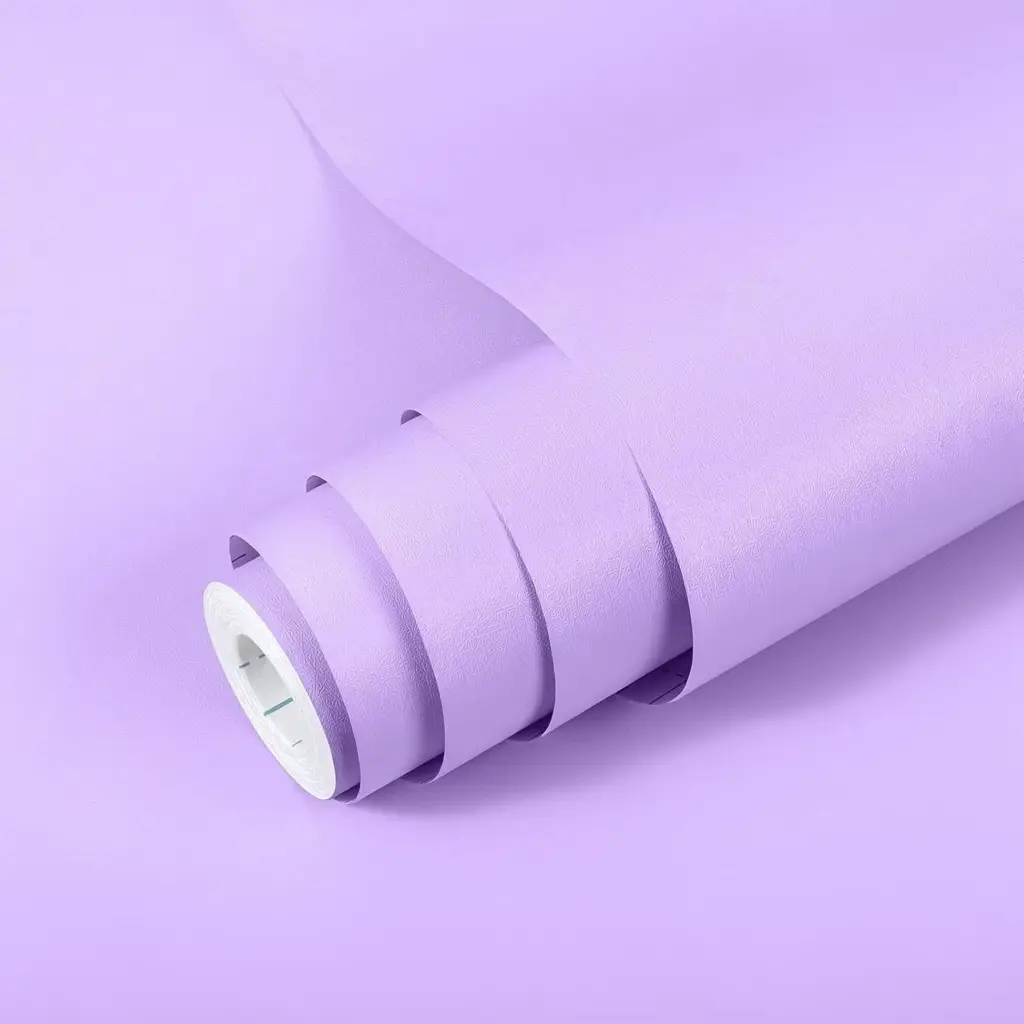
Solid color films offer clean and consistent visual effects that suit minimalist and modern design styles.
Popular color options include:
- White
- Black
- Gray
- Beige
- Navy blue
- Green
These films are frequently used in:
- Modern furniture
- Commercial interiors
- Office environments
- Contemporary kitchens
Because they provide a simple and uniform appearance, solid color films are often selected for projects emphasizing clean architectural lines.
Metallic PVC Films
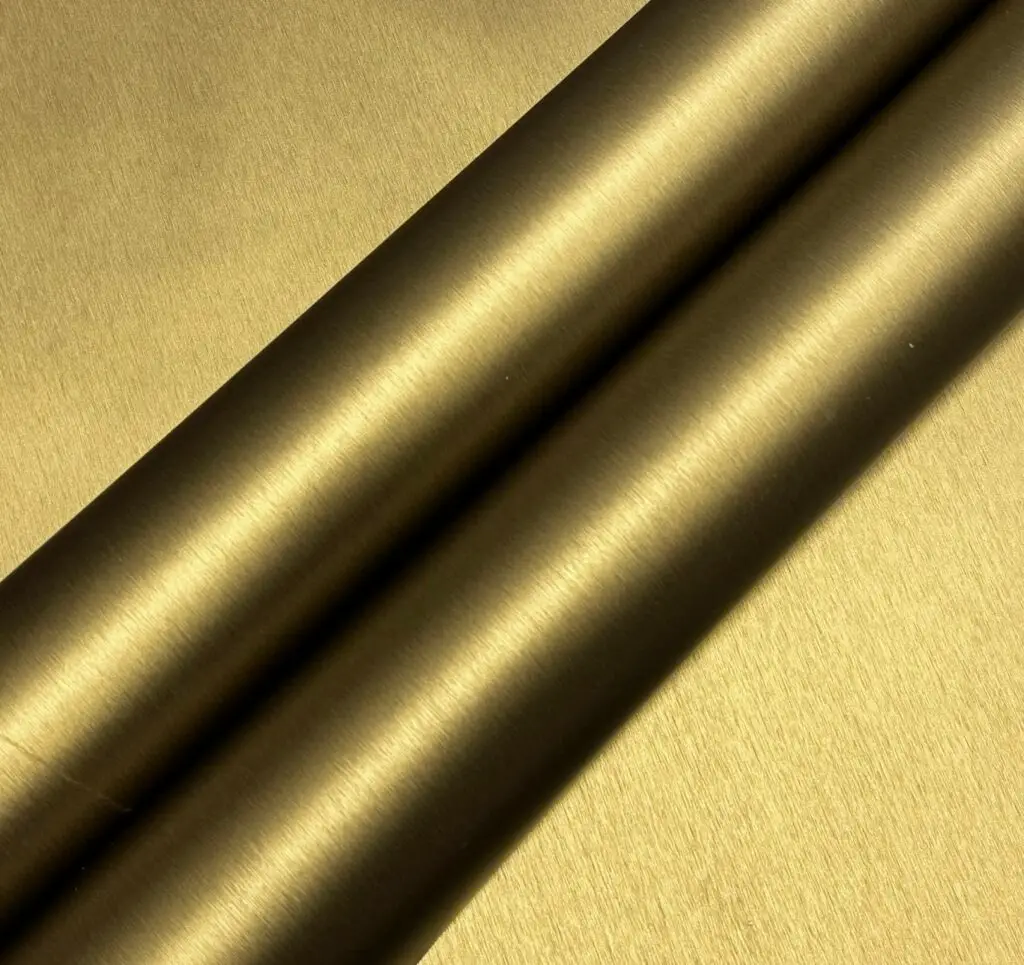
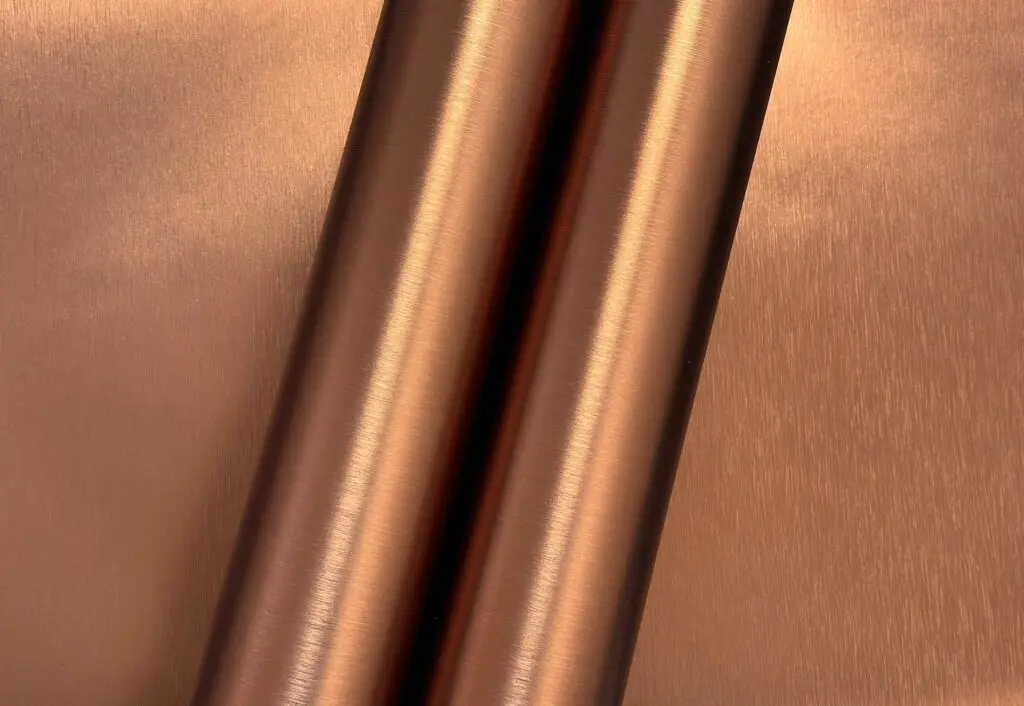
Metallic PVC films are designed to replicate the appearance of brushed metal, stainless steel, aluminum, copper, or other metallic surfaces.
These films are commonly used in projects that require a contemporary, industrial, or luxury aesthetic.
Typical applications include:
- Retail environments
- Commercial interiors
- Elevator interiors
- Display fixtures
- Hospitality projects
- Decorative furniture accents
Key advantages include:
- Modern visual appeal
- Consistent metallic appearance
- Lower cost compared to real metal surfaces
- Easier fabrication and installation
Metallic finishes are often selected by designers seeking to create premium-looking spaces without the expense and weight of actual metal materials.
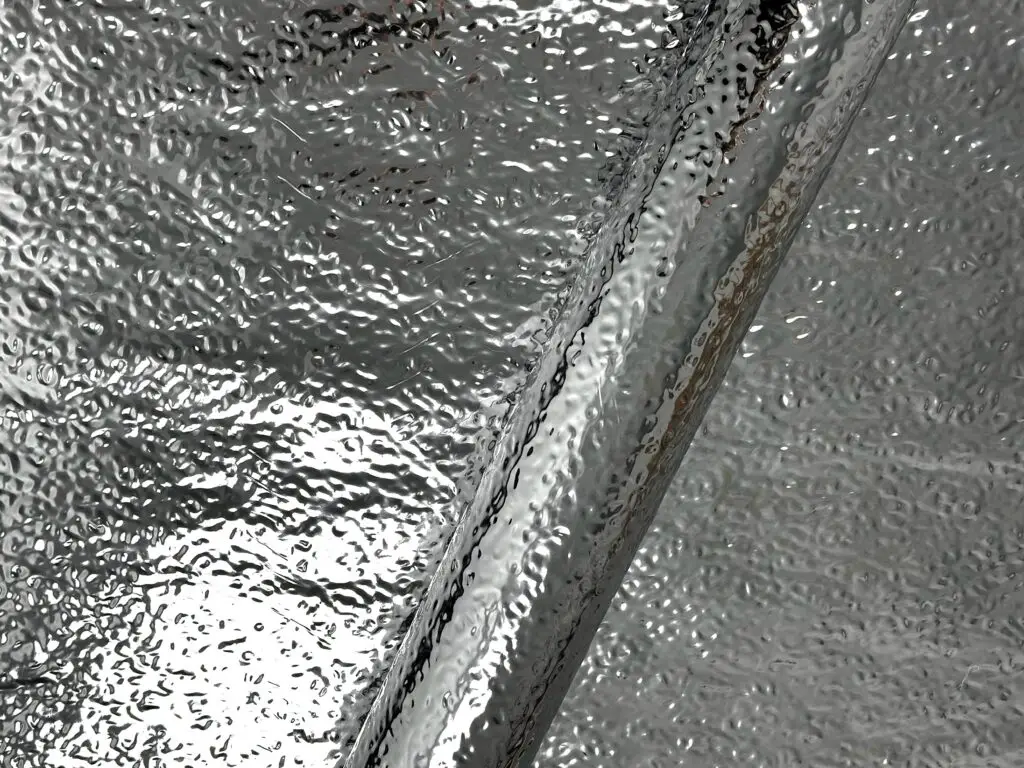
Embossed and Textured PVC Films
Embossed PVC films combine visual patterns with physical surface textures to create a more realistic and tactile experience.
Unlike smooth films, these products feature textured surfaces that can simulate:
- Natural wood grain
- Leather
- Stone
- Fabric
- Brushed materials
Applications include:
- Premium furniture
- Luxury interiors
- Hotel projects
- Retail displays
- Decorative wall systems
Benefits include:
- Enhanced realism
- Improved visual depth
- Premium appearance
- Better sensory experience
As consumer demand for authentic-looking surfaces continues to grow, textured decorative films have become increasingly popular across furniture and interior decoration industries.
Types of PVC Decorative Films by Processing Method
Beyond appearance and application, PVC decorative films can also be categorized according to how they are processed and installed.
This classification is particularly important for manufacturers and fabricators because different production methods require different film characteristics.
Laminating PVC Films
Laminating PVC films are designed for flat surface applications and are commonly used in furniture manufacturing.
These films are bonded to substrates using laminating equipment and adhesives.
Typical applications include:
- Furniture panels
- Cabinet sides
- Shelving
- Interior decorative boards
Advantages include:
- Efficient production
- Consistent surface quality
- Suitable for large-volume manufacturing
Laminating films are widely used in furniture factories due to their compatibility with automated production lines.
Vacuum Press PVC Films
Vacuum press PVC films are specifically developed for three-dimensional applications.
During the vacuum pressing process, heat and pressure allow the film to conform to complex shapes and profiles.
Common applications include:
- Kitchen cabinet doors
- Wardrobe doors
- Decorative moldings
- Routed MDF panels
- Profile-wrapped components
Advantages include:
- Excellent flexibility
- Ability to wrap curved surfaces
- Seamless appearance
- High production efficiency
Vacuum press films play a major role in modern cabinet and furniture manufacturing because they enable manufacturers to create attractive shaped components without additional finishing processes.
Self-Adhesive PVC Films
Self-adhesive PVC films feature a pressure-sensitive adhesive backing, making installation simpler and faster.
These films are commonly used for:
- Interior renovation
- DIY projects
- Furniture upgrades
- Wall decoration
- Door resurfacing
Benefits include:
- Easy installation
- No special equipment required
- Suitable for renovation projects
- Reduced labor costs
As demand for quick and affordable interior upgrades continues to grow, self-adhesive decorative films have become an important category within the decorative film market.
How to Choose the Right Type of PVC Decorative Film
Selecting the right decorative film requires evaluating several factors beyond appearance alone.
The best choice depends on the intended application, processing method, durability requirements, and design goals.
Choose Based on Application
Different environments require different performance characteristics.
For example:
- Furniture surfaces may prioritize scratch resistance.
- Wall applications may focus on design flexibility.
- Glass surfaces may require decorative and privacy functions.
Understanding the final application is the first step in selecting the correct film type.
Choose Based on Surface Design
Design requirements often influence material selection.
Projects may require:
- Wood grain effects for natural aesthetics
- Marble finishes for luxury interiors
- Solid colors for modern environments
- Metallic finishes for commercial spaces
Choosing the appropriate surface finish helps ensure consistency with the overall design concept.
Choose Based on Processing Method
Manufacturing methods should always be considered during material selection.
Examples include:
- Laminating films for flat panels
- Vacuum press films for shaped components
- Self-adhesive films for renovation projects
Using the wrong film type can lead to processing difficulties and reduced product performance.
Choose Based on Durability Requirements
Residential and commercial environments often have different durability expectations.
Commercial projects may require:
- Higher wear resistance
- Enhanced stain resistance
- Improved dimensional stability
Projects in hotels, offices, transportation systems, and public facilities often prioritize long-term performance over initial cost.
Which Type of PVC Decorative Film Is Most Popular Today?
Market demand varies by industry, but several decorative film categories consistently remain among the most widely used.
Furniture Industry
Wood grain PVC films continue to dominate furniture manufacturing because they provide the appearance of natural wood while offering greater consistency and affordability.
Common applications include:
- Cabinets
- Wardrobes
- Office furniture
- Interior panels
Interior Decoration Industry
Marble and solid color decorative films have gained significant popularity in interior design projects.
These films are frequently used for:
- Decorative walls
- Countertops
- Commercial interiors
- Hospitality projects
Their versatility allows designers to create premium-looking environments without relying on expensive natural materials.
Renovation and DIY Market
Self-adhesive decorative films have experienced strong growth due to increasing interest in cost-effective renovation solutions.
They are commonly used for:
- Cabinet upgrades
- Furniture restoration
- Wall decoration
- Door resurfacing
The ability to transform surfaces without major construction makes them particularly attractive to homeowners and property managers.
Commercial and Architectural Projects
Textured and architectural decorative films are becoming increasingly important in large-scale commercial developments.
Applications include:
- Hotels
- Office buildings
- Retail environments
- Transportation infrastructure
These projects often prioritize realistic finishes, durability, and design consistency.
Conclusion
PVC decorative films are available in a wide variety of types, each designed to meet specific application, design, and manufacturing requirements.
They can be classified by:
- Application
- Surface finish
- Processing method
Understanding these categories helps manufacturers, designers, contractors, and distributors choose the most suitable decorative solution for their projects.
Whether the goal is to create realistic wood grain furniture, modern marble interiors, decorative glass surfaces, or efficient renovation solutions, selecting the correct film type is essential for achieving the desired results.
Discover LONMAY PVC Decorative Film Solutions
LONMAY specializes in high-quality PVC decorative films for furniture, wall decoration, glass applications, and interior surface solutions.
With more than:
- 5,000+ design options
- 8,000+ roller patterns
- Extensive customization capabilities
LONMAY provides decorative film solutions for:
- Furniture manufacturers
- Interior designers
- Building material distributors
- Commercial project contractors
Our product range includes:
- Wood grain decorative films
- Marble decorative films
- Solid color films
- Self-adhesive decorative films
- Specialized decorative surface solutions
In addition, LONMAY offers:
- Eco-friendly and non-toxic materials
- ROHS-compliant products
- Optional A2 fire-resistant solutions
- Antimicrobial surface technologies
- Stable automated manufacturing quality
Whether you are sourcing materials for furniture production, interior renovation, hospitality projects, or architectural applications, LONMAY can help you find the right decorative film solution for your needs.
Contact LONMAY esther@lonmay.com.cn today to request samples and explore our complete range of PVC decorative film products.