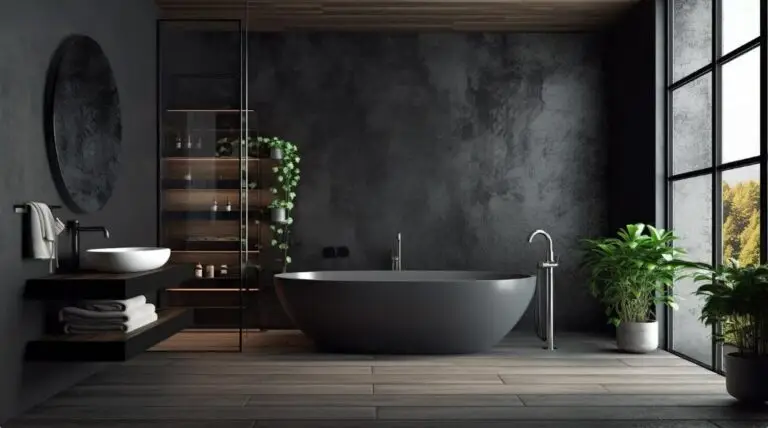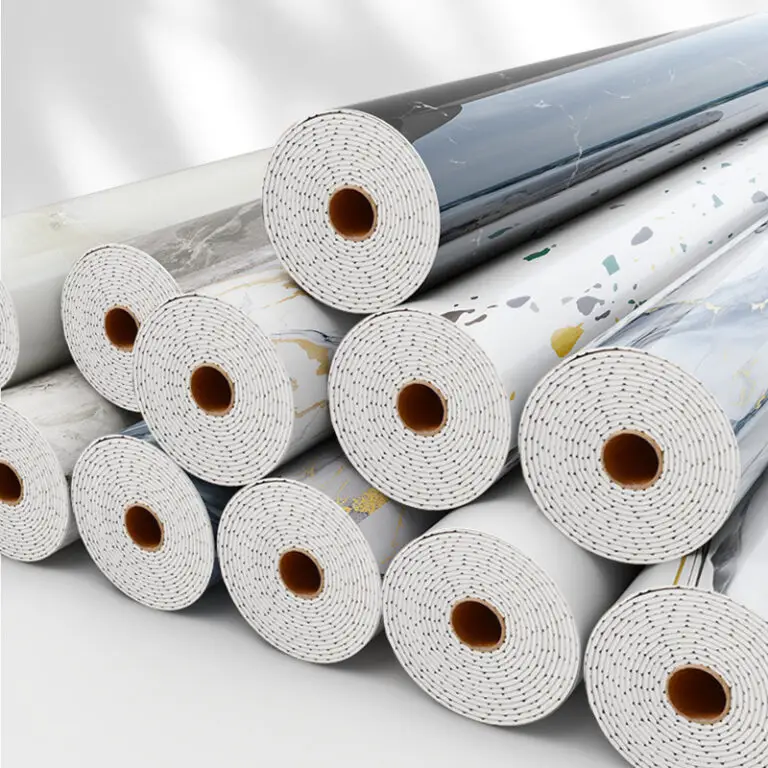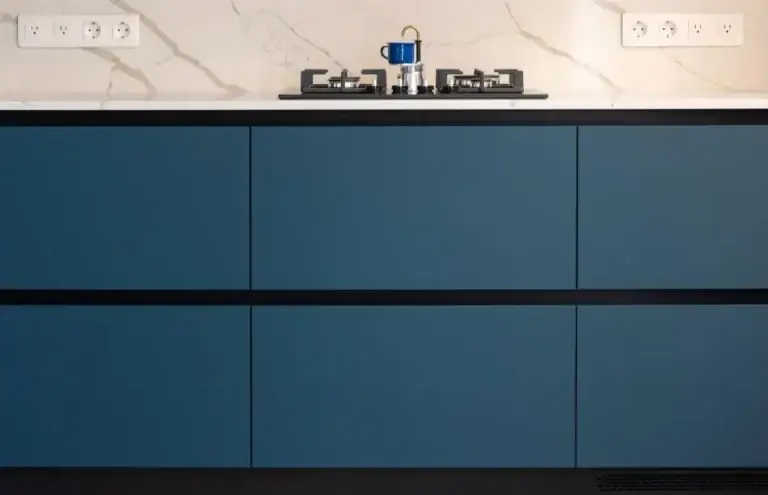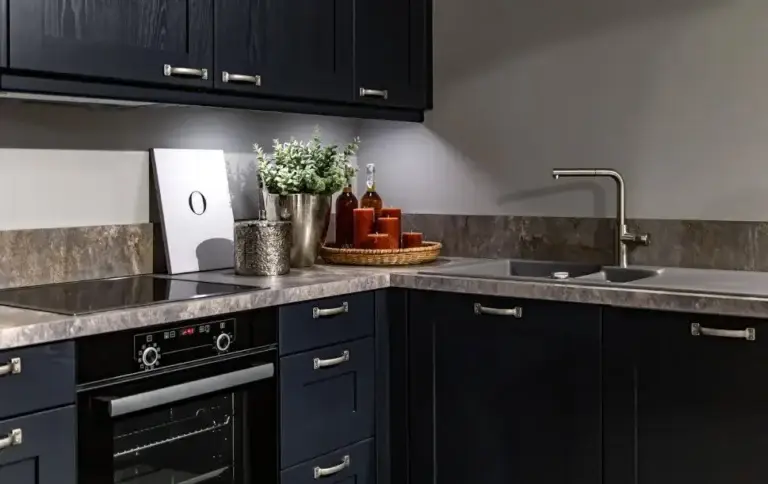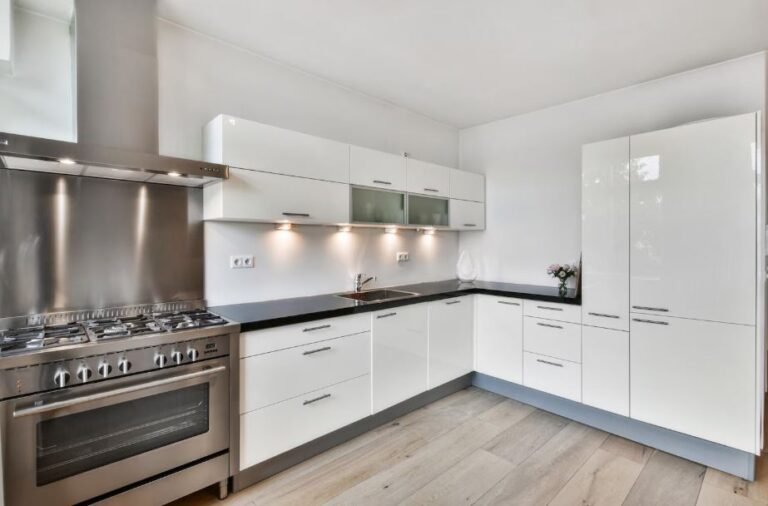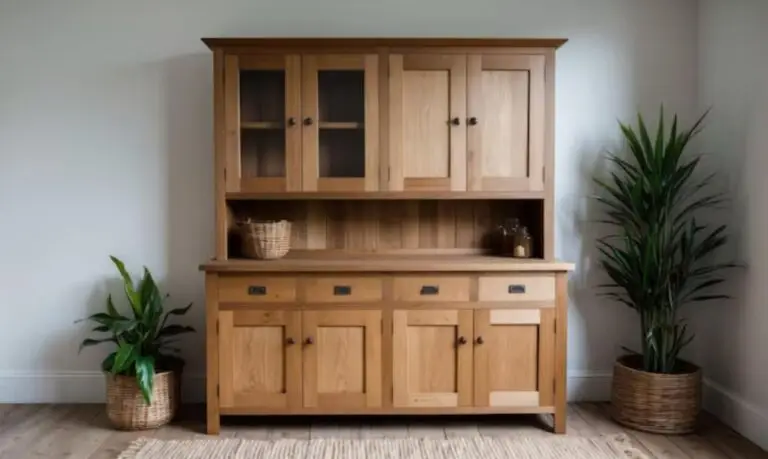
Yes, PVC film is a reliable choice for furniture surfaces, especially in cabinet, wardrobe, and panel production. It offers consistent quality for large-scale manufacturing, good resistance to moisture and wear, and flexible design options, making it suitable for both residential and commercial furniture applications.
Why Furniture Manufacturers Choose PVC Film
PVC film is often selected because it balances process efficiency, surface performance, and cost control. It can be laminated onto MDF, plywood, and particle board using vacuum pressing or flat lamination, which fits well into automated production environments.
For example:
- In kitchen cabinet production, PVC film helps maintain uniform finishes across large batches
- In hotel furniture projects, it supports consistent color matching and surface durability across multiple rooms
Manufacturers typically prefer materials that reduce variability, and PVC film performs well in this aspect when sourced from stable suppliers.
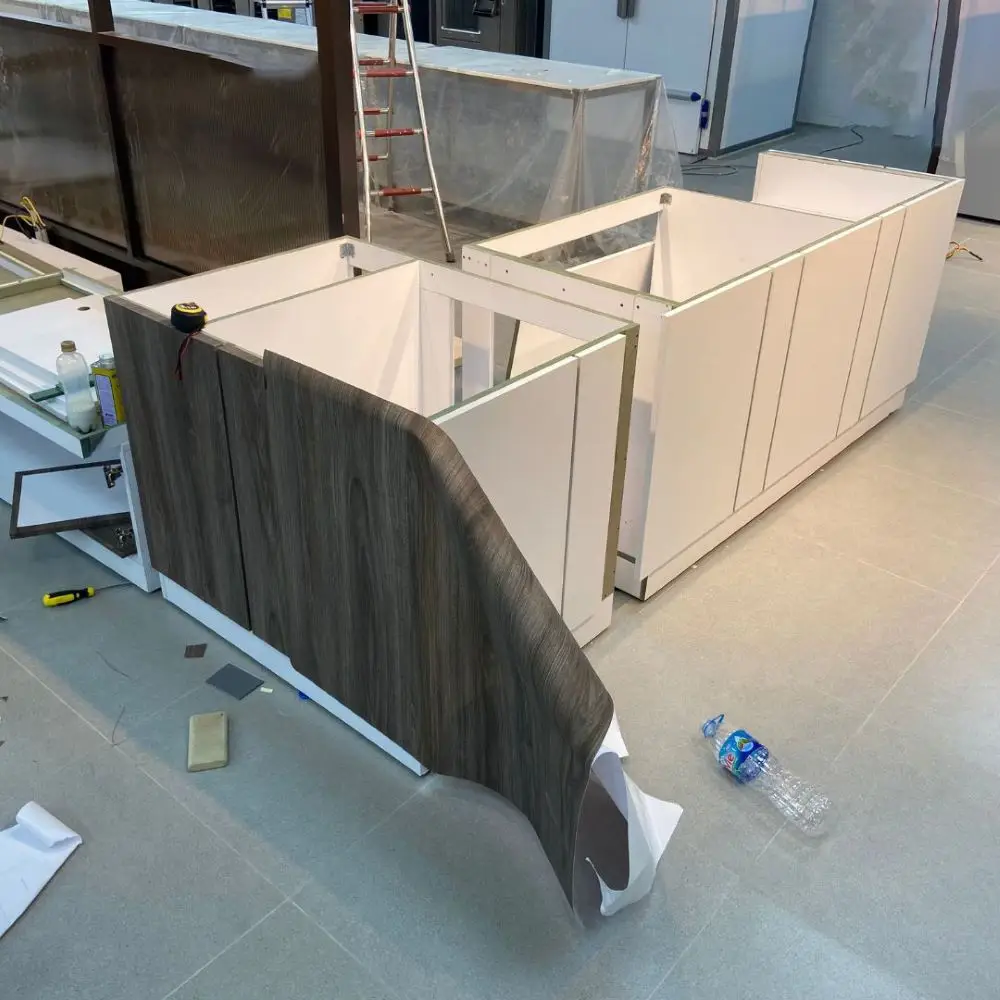
Key Benefits for Furniture Applications
- Surface durability
Resists scratches and daily wear on high-contact areas like cabinet doors and desks - Moisture resistance
Performs reliably in humid environments such as kitchens and bathrooms - Design flexibility
Available in wood grain, marble, textile, and solid color finishes to match different furniture styles - Production compatibility
Works with vacuum forming and flat lamination processes without requiring complex adjustments - Cost efficiency
Offers a more controlled cost structure compared to veneer or high-pressure laminate
Production Considerations for Large-Scale Manufacturing
For furniture manufacturers, the key question is not just performance, but whether the material is stable in production.
Important factors include:
- Thickness consistency
Stable film thickness helps reduce defects during lamination - Adhesion reliability
Good bonding performance minimizes delamination risks over time - Batch color consistency
Critical for large orders, especially in projects like apartments or hotels - Processing efficiency
Compatible with automated lines, reducing labor and material waste
Suppliers with in-house production and controlled processes are generally better positioned to deliver consistency across large volumes.
PVC Film vs Laminate for Furniture
| Factor | PVC Film | Laminate |
|---|---|---|
| Flexibility | High, suitable for curved surfaces | Low, mainly flat surfaces |
| Design range | Wide (textures, colors, finishes) | More limited |
| Processing | Easier, adaptable to multiple methods | Requires more rigid processing |
| Cost control | More predictable for large volumes | Typically higher |
| Application scope | Cabinets, panels, decorative elements | Mostly flat panels |
From a manufacturing perspective, PVC film offers advantages in design adaptability and production efficiency, while laminate may still be preferred in specific high-impact applications.
Supplier Selection: What Actually Matters
Choosing the right PVC film supplier is critical for avoiding production risks.
Key evaluation points:
- Manufacturing scale and stability
Suppliers with large-scale facilities and multiple production lines can better support consistent supply - Design and customization capability
A wide design library allows faster response to project requirements - Quality control systems
Certifications and internal testing reduce variability - Experience in export markets
Understanding international standards helps ensure compliance
For instance, manufacturers like LONMAY esther@lonmay.com.cn operate large-scale production facilities with automated lines and extensive design options, which can support both customization and consistent output for international furniture projects.
Real-World Application Scenarios
- Residential cabinetry
Used for cost-effective and visually consistent kitchen and wardrobe systems - Commercial furniture projects
Applied in hotels and apartments where uniform appearance across units is required - Office furniture systems
Supports modular furniture production with repeatable finishes
These scenarios highlight the importance of repeatability and surface performance, which are often more critical than premium material aesthetics alone.
FAQs About PVC Film for Furniture
A: Yes, it is widely used in mass production due to its stable quality, consistent thickness, and compatibility with automated lamination processes.
A: Yes, it is commonly laminated onto MDF, plywood, and particle board in furniture manufacturing.
A: Most applications use PVC film between 0.12mm and 0.50mm, depending on durability and processing requirements.
A: High-quality PVC film can maintain stable color consistency across batches, which is essential for large projects.
A: Potential risks include delamination or color variation, usually caused by inconsistent material quality or improper lamination processes. Choosing a reliable supplier and proper processing methods helps minimize these issues.
A: Focus on suppliers with proven production capacity, stable quality control, customization capabilities, and experience serving furniture manufacturers or project-based clients.